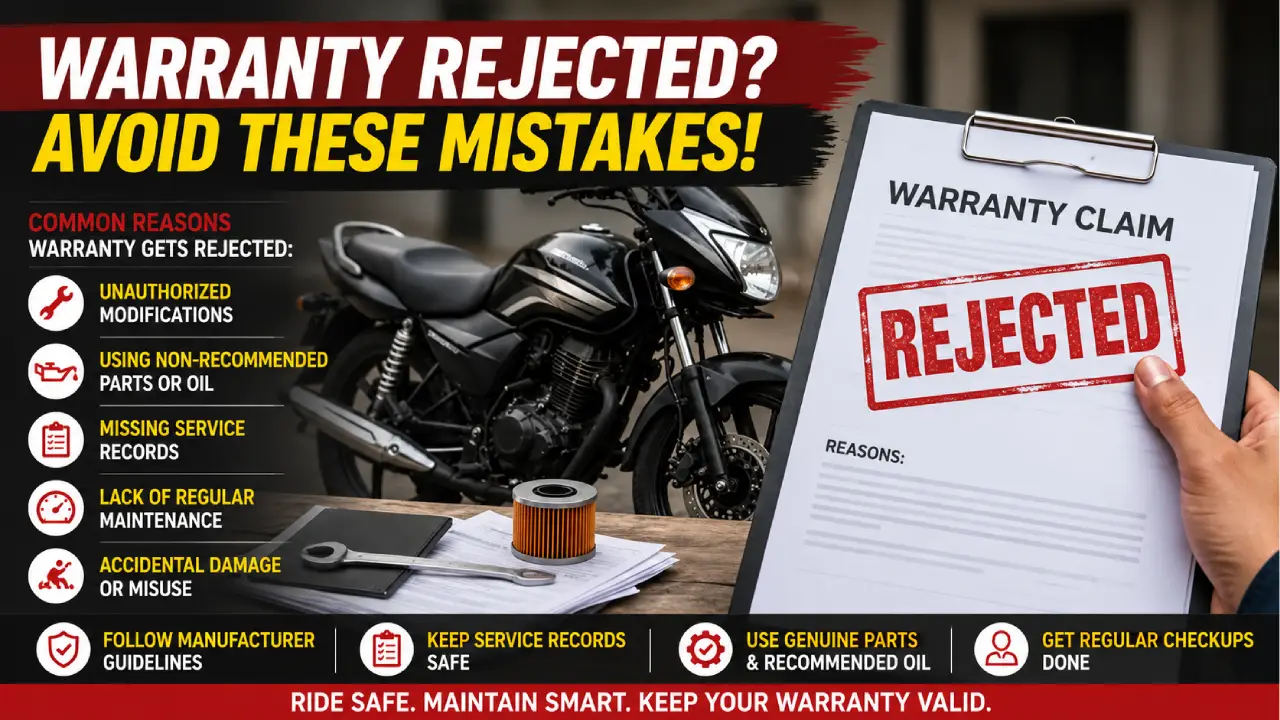
Introduction: Worried that E20 petrol could affect your motorcycle warranty? Here’s everything every 100cc and 125cc bike owner should know to protect their engine, maintain proper records, and avoid unnecessary warranty rejection.
India’s transition toward E20 petrol has raised several questions among motorcycle owners. While E20 fuel has been introduced to reduce emissions and lower dependence on imported crude oil, many riders remain concerned about engine durability and warranty claims. Social media discussions, customer complaints, and increasing awareness about fuel compatibility have made one thing clear—proper maintenance is now more important than ever.
Although using E20 petrol alone does not automatically void a motorcycle warranty, warranty claims may become complicated if the manufacturer finds evidence of poor maintenance, unauthorized modifications, or failure to follow the recommended service schedule. Therefore, every bike owner should understand how warranty policies work and what documents should be maintained throughout ownership.
If you ride a Hero Splendor, Honda Shine 100, TVS Sport, Bajaj Platina, Honda SP125, or any other commuter motorcycle, following a few simple practices can save you from expensive repair bills and unnecessary disputes in the future.
Does E20 Petrol Automatically Cancel Your Bike Warranty?
The simple answer is no. Manufacturers generally do not reject warranty claims solely because a customer has filled E20 petrol, provided the motorcycle is approved for E20 fuel. However, the warranty process depends on several technical factors.
If a motorcycle is regularly serviced according to the manufacturer’s maintenance schedule and only recommended lubricants, parts, and fuel are used, the chances of warranty complications remain significantly lower.
Therefore, the first step is always to check whether your motorcycle is officially compatible with E20 fuel. Most recently launched motorcycles include clear E20 compatibility information in the owner’s manual or on the fuel tank sticker.
Check the E20 Compatibility Sticker Before Every Purchase
Many new motorcycles now carry an E20 Compatible sticker near the fuel tank or inside the owner’s manual. This marking confirms that the engine, fuel lines, seals, and other related components have been designed to operate safely with ethanol-blended petrol.
If your motorcycle was manufactured before E20-compatible models became common, consult your authorized dealership before switching completely to E20 fuel.
Additionally, buyers planning to purchase a new motorcycle should verify E20 compatibility during the Pre-Delivery Inspection (PDI). Doing so helps avoid confusion later.
Never Ignore Service Records
One of the biggest reasons behind warranty disputes is incomplete service history. Whenever you visit an authorized service center, always keep copies of the following documents:
- Service invoice
- Signed job card
- GST bill
- Engine inspection report
- OBD diagnostic report (if available)
- Parts replacement invoice
These documents prove that the motorcycle has been maintained according to company guidelines. Moreover, they become valuable evidence if a warranty dispute arises in the future.
Keep Every Fuel Bill Safely
Many riders throw away fuel receipts immediately after refueling. However, maintaining fuel purchase records can sometimes help establish where and when the motorcycle was refueled.
Keeping GST invoices from trusted fuel stations also demonstrates responsible ownership. While fuel receipts alone do not guarantee warranty approval, they may support your claim if questions arise regarding fuel quality.
Request an OBD Scan During Routine Service
Modern motorcycles equipped with electronic diagnostics can generate valuable health reports through the On-Board Diagnostics (OBD) system.
Whenever possible, ask the service advisor for a copy of the diagnostic report. These reports record fault codes, engine performance information, and sensor-related issues that may help identify problems before they become serious.
Consequently, early detection often reduces repair costs and strengthens maintenance records.
Never Sign Documents Without Understanding Them
If your motorcycle develops engine problems, carefully read every document before signing. Sometimes service reports may contain statements regarding suspected fuel quality issues.
If you disagree with any observation or believe additional testing is necessary, ask for clarification in writing. Furthermore, if required, request laboratory testing before accepting conclusions about fuel quality.
Reading every document carefully protects both your financial interests and your legal rights.
Watch for These Warning Signs
If your motorcycle begins showing unusual symptoms after switching fuel, schedule an inspection immediately.
- Hard starting
- Engine knocking
- Poor acceleration
- Frequent stalling
- Unusual vibration
- Sharp drop in mileage
- Strong fuel smell
Ignoring these symptoms may allow minor issues to develop into expensive engine repairs.
Protect Your Bike During the Monsoon
Rainy weather introduces additional maintenance challenges. Moisture contamination, muddy roads, and humid conditions can affect air intake and fuel systems if maintenance is neglected.
Therefore, regularly inspect the air filter, keep the motorcycle clean, and avoid allowing water to enter the fuel tank during refueling. Riders living in rural areas should pay even greater attention because rough roads increase overall mechanical stress.
Use Only Genuine Parts and Recommended Engine Oil
Installing non-approved accessories or low-quality replacement parts may create unnecessary warranty complications.
Always choose genuine spare parts and use only the engine oil grade recommended by the manufacturer. Moreover, avoid unauthorized engine modifications that could affect fuel injection, emissions equipment, or engine calibration.
| Maintenance Item | Recommended Action |
|---|---|
| E20 Compatibility | Check Fuel Tank Sticker & Owner’s Manual |
| Fuel Bills | Keep Every GST Receipt |
| Service Records | Maintain Signed Job Cards |
| OBD Report | Request During Every Major Service |
| Spare Parts | Use Genuine Manufacturer Parts |
| Engine Oil | Use Recommended Grade Only |
Final Verdict
The introduction of E20 petrol does not automatically put your motorcycle warranty at risk. Instead, the real difference comes from how responsibly you maintain your bike. Regular servicing, complete documentation, genuine spare parts, and timely inspections remain the strongest protection against warranty disputes.
As India’s fuel standards continue to evolve, informed motorcycle owners will always have an advantage. By following the manufacturer’s recommendations and maintaining proper service records, you can enjoy reliable performance while protecting both your investment and your legal rights.
Frequently Asked Questions
Q1. Can E20 petrol cancel my bike warranty?
No. Using E20 petrol alone does not automatically cancel your warranty if your motorcycle is E20-compatible and maintained according to the manufacturer’s recommendations.
Q2. Which documents should I keep for warranty claims?
Maintain fuel bills, GST invoices, signed service job cards, OBD reports, and all authorized service invoices.
Q3. Should I service my motorcycle only at an authorized service center?
Following the manufacturer’s recommended service schedule and maintaining proper records generally makes warranty claims easier to verify.
Leave a Reply