Author: Deepak Kumar

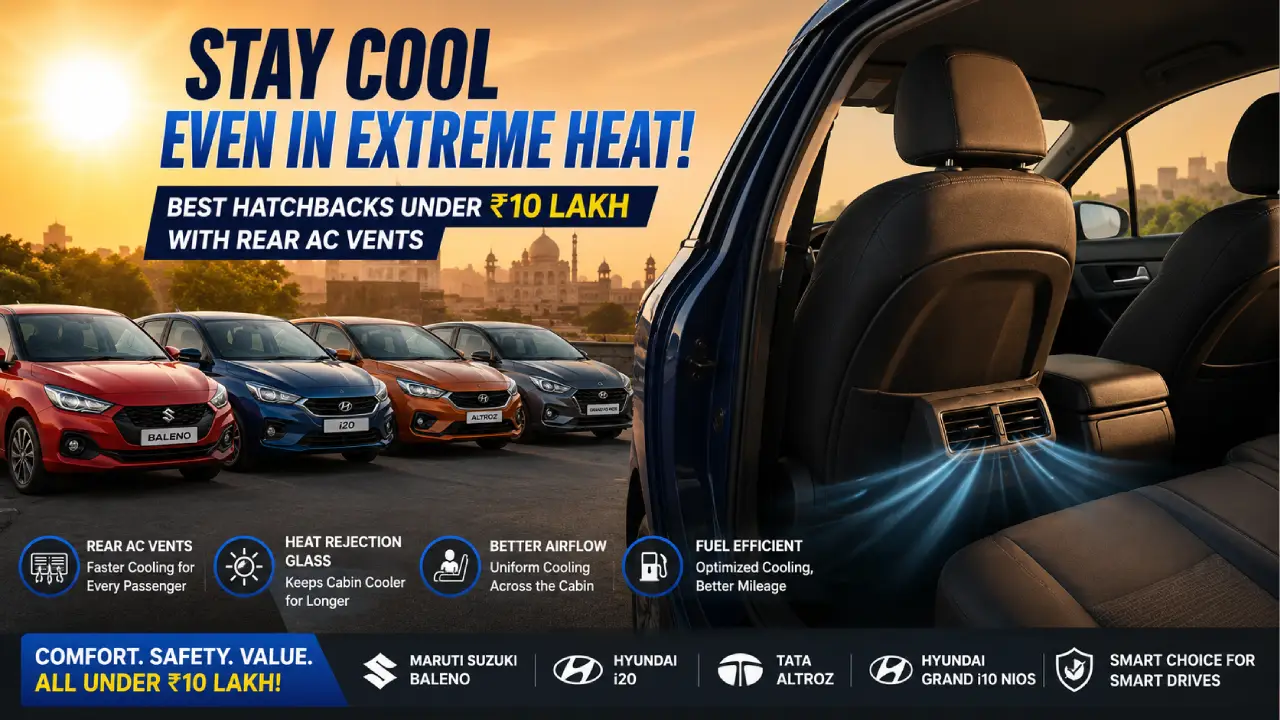
  • Delhi Heat Alert! Best Hatchbacks Under ₹10 Lakh with Rear AC Vents to Keep Your Cabin Cool

    Delhi Heat Alert! Best Hatchbacks Under ₹10 Lakh with Rear AC Vents to Keep Your Cabin Cool

    Introduction: Looking for a best hatchback that keeps the cabin cool during Delhi’s scorching summer? Here are the best cars under ₹10 lakh that offer rear AC vents, better cooling, and excellent value for money.

    Delhi-NCR has been witnessing intense summer temperatures, making air conditioning one of the most important features while buying a new car. During peak afternoon hours, the front AC alone often takes time to cool the rear seats. This is why hatchbacks equipped with rear AC vents have become increasingly popular among family buyers.

    If your budget is below ₹10 lakh, several hatchbacks nobestw offer rear AC vents along with modern features, impressive mileage, and enhanced passenger comfort. These cars not only cool the cabin faster but also improve overall air circulation, making every journey more comfortable during hot weather.

    Top Hatchbacks with Rear AC Vents Under ₹10 Lakh

    Model Rear AC Vents Starting Price
    Maruti Suzuki Baleno Yes ₹6.70 Lakh*
    Hyundai i20 Yes ₹7.04 Lakh*
    Tata Altroz Yes ₹6.89 Lakh*
    Hyundai Grand i10 Nios Yes ₹5.98 Lakh*

    *Prices are approximate ex-showroom and may vary by city.

    Why Rear AC Vents Matter in Summer

    Rear AC vents allow cool air to reach passengers sitting in the second row much faster than a conventional front-only air-conditioning system. Moreover, they help maintain a uniform cabin temperature, reducing discomfort during long drives.

    Several premium variants of cars like the Tata Altroz and Hyundai i20 also feature heat-rejecting glass, which reduces the amount of sunlight entering the cabin. As a result, the AC system doesn’t need to work as hard, helping improve cooling efficiency and even fuel economy.

    Which Hatchback Offers the Best Value?

    The Maruti Suzuki Baleno remains one of the strongest choices for buyers looking for a spacious cabin, excellent mileage, and low maintenance costs. Meanwhile, the Hyundai i20 appeals to customers who prefer premium interiors, advanced features, and refined driving comfort.

    On the other hand, the Tata Altroz stands out with its solid build quality and impressive safety, while the Hyundai Grand i10 Nios is a practical option for city driving with affordable pricing and comfortable rear-seat cooling.

    Buying Tips Before You Visit the Showroom

    Before making your final decision, take a test drive during the hottest part of the day and check how quickly the cabin cools. Also verify whether the rear AC vents deliver sufficient airflow to second-row passengers.

    Besides cooling performance, buyers should also consider safety features like six airbags, Electronic Stability Control (ESC), rear parking camera, and tyre pressure monitoring wherever available. Additionally, ask the dealership about the latest discounts, exchange bonuses, and waiting periods before booking your preferred model.

    Final Verdict

    If you frequently drive in Delhi-NCR or other regions with extreme summer temperatures, choosing a hatchback with rear AC vents can make a significant difference in everyday comfort. Models like the Maruti Suzuki Baleno, Hyundai i20, Tata Altroz, and Hyundai Grand i10 Nios offer an excellent balance of cooling performance, practicality, mileage, and affordability.

    With prices under ₹10 lakh, these hatchbacks prove that you don’t need to spend a fortune to enjoy premium comfort during India’s hottest months.

    Feature Details
    Budget Under ₹10 Lakh
    Best Feature Rear AC Vents
    Ideal For Family & Daily Commute
    Top Picks Baleno, i20, Altroz, Grand i10 Nios

    FAQs

    Q1. Which hatchback under ₹10 lakh has rear AC vents?

    Maruti Suzuki Baleno, Hyundai i20, Tata Altroz, and Hyundai Grand i10 Nios all offer rear AC vents in selected variants.

    Q2. Do rear AC vents improve cooling?

    Yes. They distribute cool air to rear passengers faster and help maintain a more even cabin temperature.

    Q3. Which car is best for summer driving?

    Baleno and Hyundai i20 are among the best choices thanks to their effective cooling, spacious cabins, and premium comfort features.

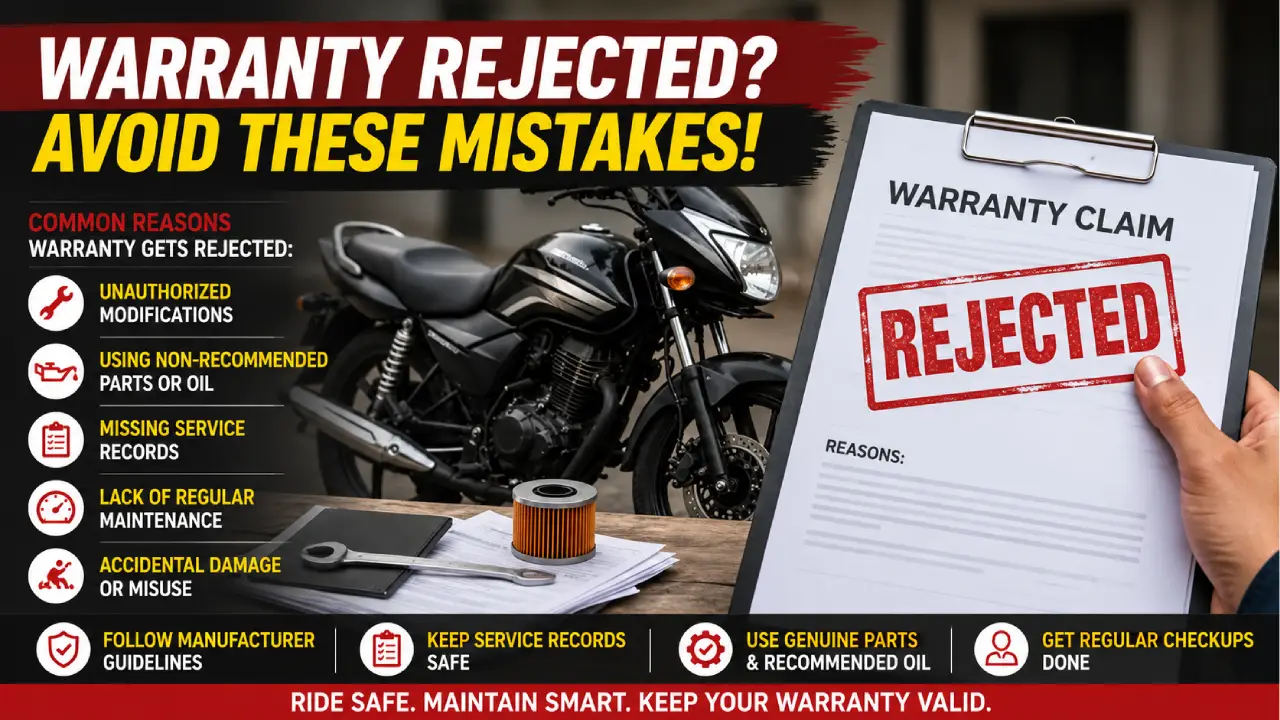
  • Bike Warranty Rejected? Avoid These E20 Fuel Mistakes to Save Thousands on Repairs

    Bike Warranty Rejected? Avoid These E20 Fuel Mistakes to Save Thousands on Repairs

    Introduction: Worried that E20 petrol could affect your motorcycle warranty? Here’s everything every 100cc and 125cc bike owner should know to protect their engine, maintain proper records, and avoid unnecessary warranty rejection.

    India’s transition toward E20 petrol has raised several questions among motorcycle owners. While E20 fuel has been introduced to reduce emissions and lower dependence on imported crude oil, many riders remain concerned about engine durability and warranty claims. Social media discussions, customer complaints, and increasing awareness about fuel compatibility have made one thing clear—proper maintenance is now more important than ever.

    Although using E20 petrol alone does not automatically void a motorcycle warranty, warranty claims may become complicated if the manufacturer finds evidence of poor maintenance, unauthorized modifications, or failure to follow the recommended service schedule. Therefore, every bike owner should understand how warranty policies work and what documents should be maintained throughout ownership.

    If you ride a Hero Splendor, Honda Shine 100, TVS Sport, Bajaj Platina, Honda SP125, or any other commuter motorcycle, following a few simple practices can save you from expensive repair bills and unnecessary disputes in the future.

    Does E20 Petrol Automatically Cancel Your Bike Warranty?

    The simple answer is no. Manufacturers generally do not reject warranty claims solely because a customer has filled E20 petrol, provided the motorcycle is approved for E20 fuel. However, the warranty process depends on several technical factors.

    If a motorcycle is regularly serviced according to the manufacturer’s maintenance schedule and only recommended lubricants, parts, and fuel are used, the chances of warranty complications remain significantly lower.

    Therefore, the first step is always to check whether your motorcycle is officially compatible with E20 fuel. Most recently launched motorcycles include clear E20 compatibility information in the owner’s manual or on the fuel tank sticker.

    Check the E20 Compatibility Sticker Before Every Purchase

    Many new motorcycles now carry an E20 Compatible sticker near the fuel tank or inside the owner’s manual. This marking confirms that the engine, fuel lines, seals, and other related components have been designed to operate safely with ethanol-blended petrol.

    If your motorcycle was manufactured before E20-compatible models became common, consult your authorized dealership before switching completely to E20 fuel.

    Additionally, buyers planning to purchase a new motorcycle should verify E20 compatibility during the Pre-Delivery Inspection (PDI). Doing so helps avoid confusion later.

    Never Ignore Service Records

    One of the biggest reasons behind warranty disputes is incomplete service history. Whenever you visit an authorized service center, always keep copies of the following documents:

    • Service invoice
    • Signed job card
    • GST bill
    • Engine inspection report
    • OBD diagnostic report (if available)
    • Parts replacement invoice

    These documents prove that the motorcycle has been maintained according to company guidelines. Moreover, they become valuable evidence if a warranty dispute arises in the future.

    Keep Every Fuel Bill Safely

    Many riders throw away fuel receipts immediately after refueling. However, maintaining fuel purchase records can sometimes help establish where and when the motorcycle was refueled.

    Keeping GST invoices from trusted fuel stations also demonstrates responsible ownership. While fuel receipts alone do not guarantee warranty approval, they may support your claim if questions arise regarding fuel quality.

    Request an OBD Scan During Routine Service

    Modern motorcycles equipped with electronic diagnostics can generate valuable health reports through the On-Board Diagnostics (OBD) system.

    Whenever possible, ask the service advisor for a copy of the diagnostic report. These reports record fault codes, engine performance information, and sensor-related issues that may help identify problems before they become serious.

    Consequently, early detection often reduces repair costs and strengthens maintenance records.

    Never Sign Documents Without Understanding Them

    If your motorcycle develops engine problems, carefully read every document before signing. Sometimes service reports may contain statements regarding suspected fuel quality issues.

    If you disagree with any observation or believe additional testing is necessary, ask for clarification in writing. Furthermore, if required, request laboratory testing before accepting conclusions about fuel quality.

    Reading every document carefully protects both your financial interests and your legal rights.

    Watch for These Warning Signs

    If your motorcycle begins showing unusual symptoms after switching fuel, schedule an inspection immediately.

    • Hard starting
    • Engine knocking
    • Poor acceleration
    • Frequent stalling
    • Unusual vibration
    • Sharp drop in mileage
    • Strong fuel smell

    Ignoring these symptoms may allow minor issues to develop into expensive engine repairs.

    Protect Your Bike During the Monsoon

    Rainy weather introduces additional maintenance challenges. Moisture contamination, muddy roads, and humid conditions can affect air intake and fuel systems if maintenance is neglected.

    Therefore, regularly inspect the air filter, keep the motorcycle clean, and avoid allowing water to enter the fuel tank during refueling. Riders living in rural areas should pay even greater attention because rough roads increase overall mechanical stress.

    Use Only Genuine Parts and Recommended Engine Oil

    Installing non-approved accessories or low-quality replacement parts may create unnecessary warranty complications.

    Always choose genuine spare parts and use only the engine oil grade recommended by the manufacturer. Moreover, avoid unauthorized engine modifications that could affect fuel injection, emissions equipment, or engine calibration.

    Maintenance Item Recommended Action
    E20 Compatibility Check Fuel Tank Sticker & Owner’s Manual
    Fuel Bills Keep Every GST Receipt
    Service Records Maintain Signed Job Cards
    OBD Report Request During Every Major Service
    Spare Parts Use Genuine Manufacturer Parts
    Engine Oil Use Recommended Grade Only

    Final Verdict

    The introduction of E20 petrol does not automatically put your motorcycle warranty at risk. Instead, the real difference comes from how responsibly you maintain your bike. Regular servicing, complete documentation, genuine spare parts, and timely inspections remain the strongest protection against warranty disputes.

    As India’s fuel standards continue to evolve, informed motorcycle owners will always have an advantage. By following the manufacturer’s recommendations and maintaining proper service records, you can enjoy reliable performance while protecting both your investment and your legal rights.

    Frequently Asked Questions

    Q1. Can E20 petrol cancel my bike warranty?

    No. Using E20 petrol alone does not automatically cancel your warranty if your motorcycle is E20-compatible and maintained according to the manufacturer’s recommendations.

    Q2. Which documents should I keep for warranty claims?

    Maintain fuel bills, GST invoices, signed service job cards, OBD reports, and all authorized service invoices.

    Q3. Should I service my motorcycle only at an authorized service center?

    Following the manufacturer’s recommended service schedule and maintaining proper records generally makes warranty claims easier to verify.

  • Government’s New CAFE-III Rules! Electric Cars Under ₹10 Lakh Could Soon Become Reality

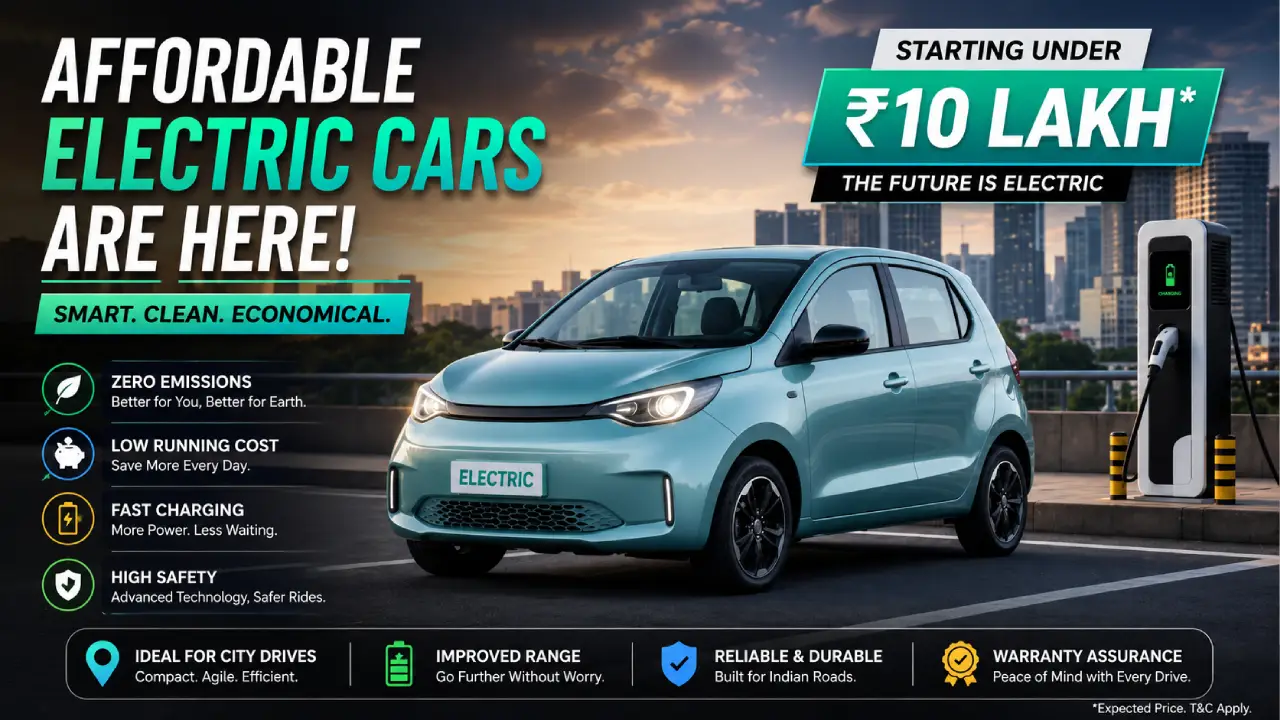
    Government’s New CAFE-III Rules! Electric Cars Under ₹10 Lakh Could Soon Become Reality

    Government’s New CAFE-III Rules! Electric Cars Under ₹10 Lakh Could Soon Become Reality

    India’s new CAFE-III draft norms may encourage carmakers to launch affordable electric cars under ₹10 lakh. Learn how the new rules could affect prices, EV launches, and budget car buyers.

    Introduction: India’s proposed CAFE-III emission norms could reshape the passenger car market by encouraging automakers to launch affordable electric cars under ₹10 lakh. Here’s what the new policy means for buyers.

    India is preparing for another major step toward cleaner mobility. The Government has released the draft framework for the third phase of Corporate Average Fuel Efficiency (CAFE-III) regulations, covering the period from 2027 to 2032. While these rules mainly focus on reducing carbon emissions, they could also create exciting opportunities for budget car buyers.

    Under the proposed framework, automobile manufacturers will face stricter fleet emission targets. As a result, companies may need to increase the number of zero-emission vehicles in their portfolios. Consequently, affordable electric hatchbacks priced below ₹10 lakh could become a stronger business case than ever before.

    For Indian consumers who have been waiting for affordable electric mobility, the upcoming CAFE-III regulations could become a major turning point. Moreover, increased competition among manufacturers may lead to better technology, improved battery efficiency, and more competitive pricing.

    What Are CAFE-III Regulations?

    Corporate Average Fuel Efficiency (CAFE) standards are government regulations designed to reduce the average carbon dioxide emissions produced by vehicle manufacturers. Instead of evaluating individual models, these rules measure the overall emissions generated by a company’s entire passenger vehicle lineup.

    Under the proposed CAFE-III framework, manufacturers selling more electric vehicles are expected to receive additional compliance benefits. These compliance credits can help offset emissions generated by larger petrol-powered SUVs and other conventional vehicles.

    Therefore, electric vehicles are no longer just an alternative product—they are becoming an important part of every automaker’s long-term strategy.

    Why Affordable Electric Cars Could Become More Common

    One of the biggest highlights of the proposed policy is the incentive structure for zero-emission vehicles. Since electric cars help manufacturers improve their fleet emission averages, companies may focus more aggressively on launching affordable EVs.

    Moreover, producing entry-level electric hatchbacks could become financially beneficial when combined with compliance credits. As a result, buyers may soon see several new electric cars priced below ₹10 lakh in the Indian market.

    Manufacturers are also expected to invest more in battery localization, production efficiency, and platform sharing, which can further reduce manufacturing costs.

    How CAFE-III Could Benefit Indian Car Buyers

    The impact of CAFE-III may extend beyond environmental benefits. Budget-conscious buyers could enjoy more choices in the affordable EV segment.

    Some expected advantages include:

    • More electric hatchbacks below ₹10 lakh.
    • Lower daily running costs compared to petrol cars.
    • Improved battery technology.
    • Better charging infrastructure.
    • Increased competition among manufacturers.
    • More attractive finance and EMI options.
    • Lower maintenance expenses over long-term ownership.

    Additionally, manufacturers may introduce multiple variants to attract first-time EV buyers while keeping ownership costs competitive.

    Petrol vs Electric Running Costs

    Running cost remains one of the biggest reasons behind the growing popularity of electric vehicles. Compared to conventional petrol cars, EVs generally cost significantly less per kilometer to operate.

    Fuel Type Estimated Running Cost Impact Under CAFE-III
    Petrol Higher Higher Compliance Pressure
    CNG Moderate Lower Emissions Than Petrol
    Electric Lowest Additional Compliance Benefits

    Consequently, many urban buyers could find electric vehicles more economical for everyday commuting, especially as charging infrastructure continues to improve.

    Which Electric Cars Could Benefit?

    Although manufacturers have not officially announced new products based on CAFE-III, industry experts expect companies like Tata Motors, Mahindra, Hyundai, Maruti Suzuki, MG Motor, and several emerging EV brands to strengthen their affordable electric vehicle portfolios.

    Existing models such as compact electric hatchbacks may receive updated variants, while completely new entry-level EV platforms could also arrive over the next few years.

    What Should Buyers Do Now?

    If you are planning to purchase a new car in the next two or three years, it may be worth keeping an eye on upcoming electric vehicle launches. Manufacturers are likely to reveal new product strategies as the CAFE-III framework moves toward final implementation.

    Meanwhile, buyers should compare battery warranty, charging options, driving range, service network, resale value, and total ownership cost before making a purchase decision.

    Government Invites Public Feedback

    The draft CAFE-III regulations are currently open for stakeholder feedback before the final rules are announced. Automobile manufacturers, industry experts, and consumers can provide suggestions that may influence the final policy framework.

    Once finalized, these regulations are expected to shape India’s passenger vehicle industry between 2027 and 2032, encouraging cleaner technologies and accelerating EV adoption across the country.

    Final Verdict

    The proposed CAFE-III regulations could become one of the biggest catalysts for affordable electric mobility in India. By encouraging manufacturers to reduce fleet emissions through greater EV adoption, the policy may indirectly benefit millions of budget-conscious buyers.

    Although official product announcements are still awaited, the possibility of electric cars priced below ₹10 lakh has certainly become stronger. If manufacturers successfully combine competitive pricing, practical driving range, and reliable charging support, India’s EV market could witness its next major transformation over the coming years.

    Feature Details
    Policy CAFE-III Draft Norms
    Implementation Period 2027–2032 (Proposed)
    Main Focus Lower Fleet Carbon Emissions
    Potential Benefit Affordable Electric Cars
    Expected Price Segment Below ₹10 Lakh

    Frequently Asked Questions

    Q1. What is CAFE-III?

    CAFE-III is the proposed third phase of India’s Corporate Average Fuel Efficiency regulations aimed at reducing vehicle emissions between 2027 and 2032.

    Q2. Will electric cars become cheaper because of CAFE-III?

    While prices are not guaranteed to decrease, the proposed regulations could encourage manufacturers to launch more affordable electric cars to improve compliance.

    Q3. Could electric cars under ₹10 lakh become available?

    Industry expectations suggest that stronger EV incentives under CAFE-III may encourage manufacturers to introduce more budget-friendly electric hatchbacks in the coming years.

  • Ather’s Big Funding Boost! New Electric Scooter Under ₹1 Lakh May Launch Soon

    Ather’s Big Funding Boost! New Electric Scooter Under ₹1 Lakh May Launch Soon

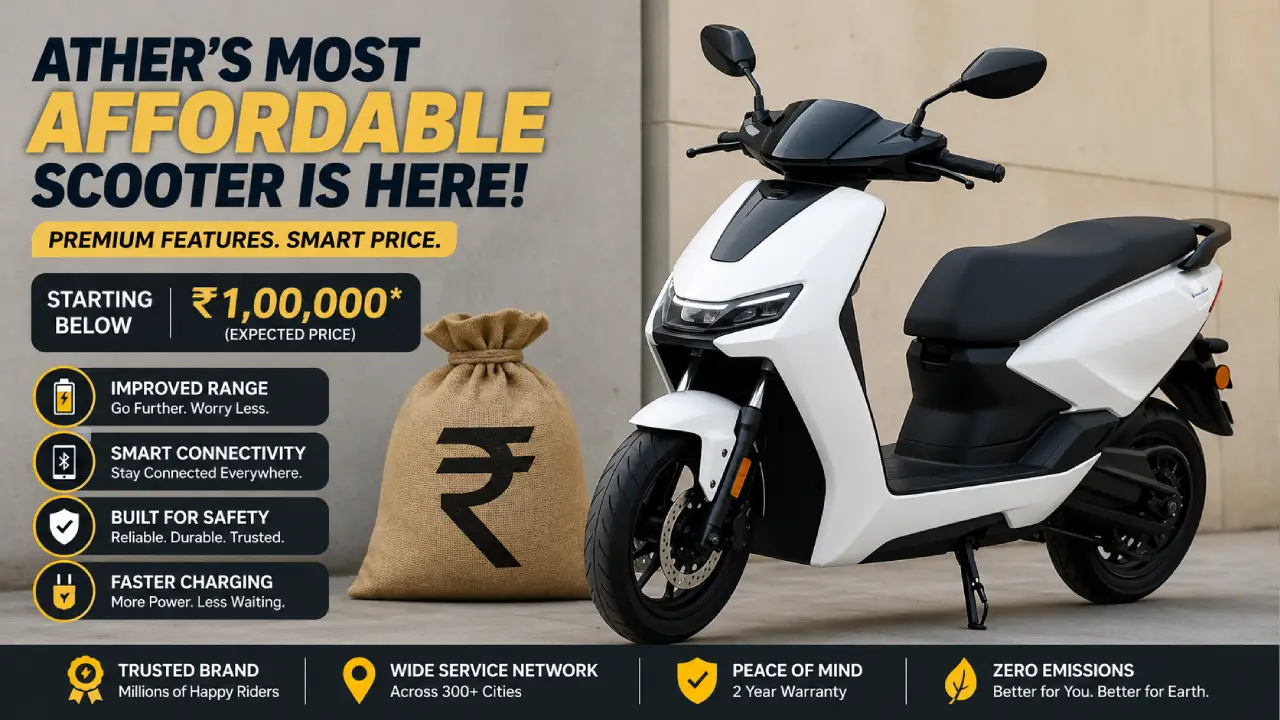
    Introduction: Ather Energy’s latest funding has sparked fresh excitement in India’s electric two-wheeler market. The investment could help the company introduce affordable EV scooters priced below ₹1 lakh while expanding its reach across the country.

    The Indian electric two-wheeler market continues to grow rapidly, and Ather Energy is once again making headlines. The Bengaluru-based EV manufacturer has secured fresh funding, strengthening investor confidence and creating excitement among potential buyers. More importantly, this investment could accelerate the launch of affordable electric scooters priced below the ₹1 lakh mark, allowing Ather to compete more aggressively in the mass-market segment.

    For years, Ather has built a reputation for premium electric scooters with advanced technology, impressive build quality, and a refined riding experience. However, its pricing has often placed it above many budget-conscious buyers. Now, the latest funding could help the company reduce manufacturing costs, expand production capacity, and introduce entry-level models that appeal to a much larger audience.

    Meanwhile, customers are closely watching upcoming festive offers, exchange bonuses, and expected product announcements in the coming months. If Ather successfully enters the sub-₹1 lakh category, it could significantly reshape competition in India’s rapidly expanding EV market.

    Ather Energy’s Affordable Electric Scooter Strategy

    Ather Energy appears focused on expanding beyond the premium segment. While the Ather 450 series has earned praise for performance and technology, the company now seems ready to target first-time EV buyers looking for affordable alternatives.

    The fresh funding is expected to support higher production volumes, localized component sourcing, and manufacturing efficiencies. Consequently, these improvements could reduce overall production costs, making budget-friendly electric scooters financially viable without compromising quality.

    Moreover, Ather has continued investing in charging infrastructure, software updates, and connected technologies. Therefore, even an entry-level scooter could benefit from features that have made the brand popular among urban commuters.

    Expected Price and Market Position

    Industry expectations suggest that Ather’s upcoming affordable electric scooter could be priced below ₹1 lakh (ex-showroom). If this pricing becomes reality, the company would directly challenge several established players in India’s budget EV segment.

    Model Expected Price (Ex-showroom) Main Rival
    Upcoming Ather Budget EV Below ₹1 Lakh (Expected) Ola S1 X
    Ather 450S Around ₹1.15 Lakh Bajaj Chetak
    TVS iQube Base Around ₹95,000 Ather Budget EV

    Entering this price bracket would allow Ather to attract students, office commuters, first-time EV buyers, and middle-class families looking for economical daily transportation.

    Competition Will Become Even More Intense

    The affordable electric scooter segment has already become one of the most competitive categories in India. Brands including Ola Electric, TVS Motor, Bajaj Auto, Hero MotoCorp, and Honda are actively strengthening their EV portfolios.

    If Ather launches a feature-rich scooter below ₹1 lakh, buyers will have another premium-quality option at an attractive price. Consequently, companies may respond with new offers, updated models, or aggressive pricing strategies.

    Moreover, increased competition generally benefits customers through better technology, improved after-sales service, and competitive financing options.

    How the New Funding Could Benefit Customers

    The latest investment is not only about launching a cheaper scooter. It may also improve Ather’s overall business operations and customer experience.

    Some expected benefits include:

    • Expansion of dealership and service network.
    • Faster scooter deliveries.
    • Improved availability across Tier-2 and Tier-3 cities.
    • Lower manufacturing costs through localization.
    • Competitive pricing without reducing product quality.
    • Enhanced software and connected features.
    • Stronger charging infrastructure.

    Additionally, improved economies of scale could help the company maintain stable pricing despite increasing demand for electric vehicles.

    What Features Can Buyers Expect?

    Although Ather has not officially revealed specifications of the upcoming affordable scooter, industry expectations suggest that buyers can still expect several modern features.

    Likely highlights include LED lighting, digital instrumentation, smartphone connectivity, OTA software updates, regenerative braking, multiple riding modes, fast charging compatibility, and practical riding range suitable for everyday commuting.

    Furthermore, Ather has always emphasized software-driven ownership experiences. Therefore, even an entry-level scooter may include app-based vehicle tracking, ride statistics, navigation support, and remote diagnostics.

    Should Buyers Wait for the New Budget Ather Scooter?

    This largely depends on individual requirements. Buyers who need a scooter immediately may benefit from ongoing exchange offers and festive discounts available on existing models. However, those planning to purchase later this year may find it worthwhile to wait for official announcements.

    If Ather successfully launches a premium-quality electric scooter below ₹1 lakh, it could become one of the most attractive options in the Indian EV market.

    Final Verdict

    Ather Energy’s latest funding represents more than just another investment round. It signals the company’s ambition to expand beyond premium electric scooters and reach millions of budget-conscious Indian buyers.

    Although official pricing, specifications, and launch dates are yet to be announced, expectations remain high. If Ather delivers an affordable electric scooter with its signature quality, connected technology, and dependable performance, it could become a major milestone in India’s growing electric mobility journey.

    Feature Details
    Expected Price Below ₹1 Lakh (Expected)
    Category Budget Electric Scooter
    Main Rivals Ola S1 X, TVS iQube, Bajaj Chetak
    Launch Official Announcement Awaited
    Funding Impact Production Expansion & Affordable EV Development

    Frequently Asked Questions

    Q1. Will Ather launch an electric scooter under ₹1 lakh?

    Industry expectations suggest that Ather may introduce a budget-friendly electric scooter below ₹1 lakh, although the company has not officially confirmed pricing.

    Q2. Which scooters will compete with Ather’s upcoming affordable EV?

    The expected rivals include the Ola S1 X, TVS iQube, Bajaj Chetak, and other entry-level electric scooters available in India.

    Q3. How will the latest funding help Ather Energy?

    The investment may support production expansion, localization, dealership growth, charging infrastructure, and development of affordable electric scooters.

  • E20 Petrol Se Mileage Kam Ho Raha Hai? 100cc Bike Owners Ke Liye 5 Best Tips Jo Bachayengi Fuel Aur Engine

    E20 Petrol Se Mileage Kam Ho Raha Hai? 100cc Bike Owners Ke Liye 5 Best Tips Jo Bachayengi Fuel Aur Engine

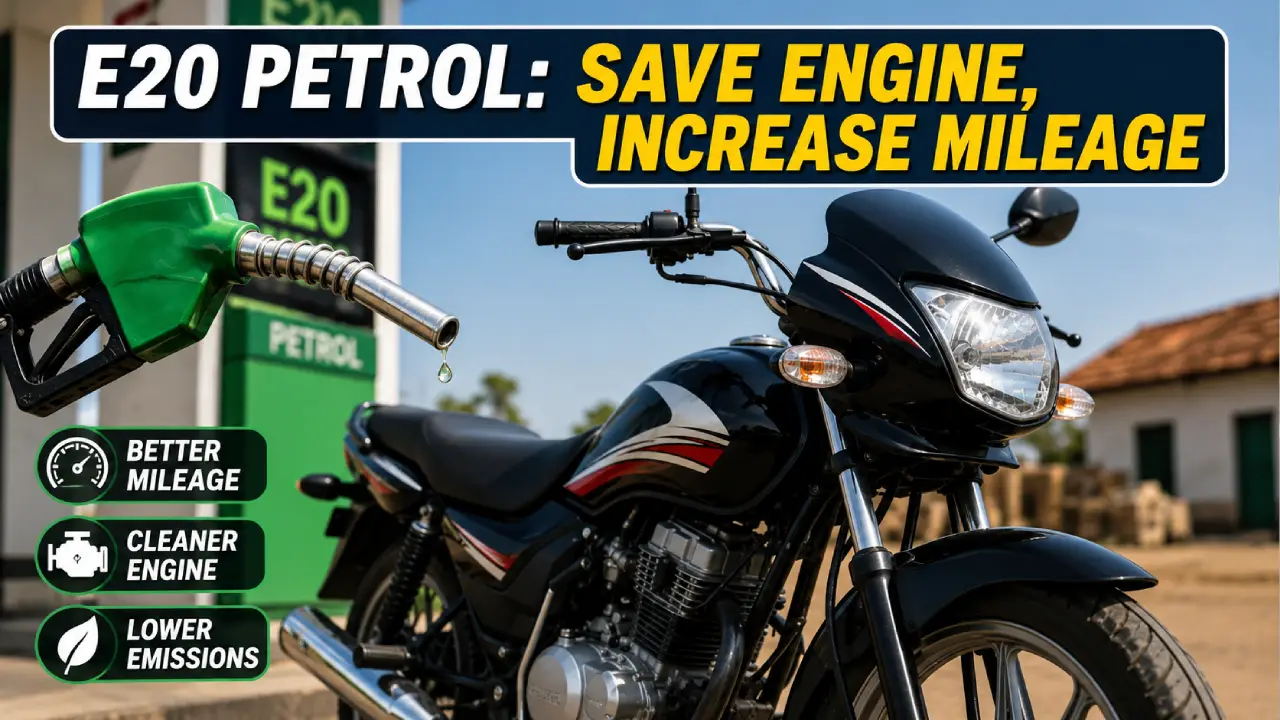
    Introduction: E20 petrol ke badhte istemal ke saath kai 100cc bike owners mileage mein kami mehsoos kar rahe hain. Janiye E20 fuel ka asar aur engine ko surakshit rakhne ke 5 sabse zaroori tips.

    India mein fuel technology tezi se badal rahi hai aur isi badlav ka ek bada hissa hai E20 petrol. Pichhle kuch samay mein E20 fuel ko desh ke kai shahron aur gaonon mein uplabdh karaya gaya hai. Iska uddeshya imported crude oil par nirbharta kam karna aur environment ko behtar banana hai. Halanki, is naye fuel blend ke aane ke baad kai 100cc aur 110cc commuter bike users ne mileage aur performance ko lekar apni chinta vyakt ki hai.

    Jo log rozana office, business ya padhai ke liye motorcycle ka istemal karte hain, unke liye mileage sabse mahatvapurn factor hota hai. Agar fuel efficiency mein thodi bhi girawat aati hai to mahine ka budget prabhavit ho sakta hai. Isi wajah se Hero Splendor, Honda Shine 100, Bajaj Platina aur TVS Sport jaise models chalane wale riders E20 petrol ke prabhav ko samajhna chahte hain.

    Achhi baat ye hai ki kuch simple maintenance aur riding habits apna kar aap E20 petrol ke saath bhi apni bike ko smooth, efficient aur reliable bana sakte hain. Aaiye detail mein samajhte hain ki E20 petrol kya hai, mileage par iska kya asar pad sakta hai aur engine ko surakshit rakhne ke liye kaun se steps sabse zyada zaroori hain.

    E20 Petrol Kya Hai Aur Yeh Kyon Mahatvapurn Hai?

    E20 petrol ek fuel blend hai jisme lagbhag 20 pratishat ethanol aur 80 pratishat petrol hota hai. Ethanol ek biofuel hai jo mukhyata sugarcane aur anya agricultural sources se tayar kiya jata hai. Sarkar is fuel ko promote kar rahi hai taaki carbon emissions kam hon aur desh ki fuel import dependency ghat sake.

    Halanki ethanol ki energy density traditional petrol se thodi kam hoti hai. Isi karan kuch vehicles mein fuel efficiency par halka prabhav dekhne ko mil sakta hai. Lekin agar vehicle E20-compatible hai aur uski maintenance sahi tarike se ki jaye to performance par iska prabhav kaafi had tak control kiya ja sakta hai.

    E20 Petrol Ka 100cc Bikes Ke Mileage Par Kya Asar Padta Hai?

    100cc commuter motorcycles ko maximum fuel efficiency ke liye design kiya jata hai. Jab fuel blend mein ethanol ki matra badh jati hai, to kuch riders ko mileage mein halka antar mehsoos ho sakta hai. Kai reports aur user experiences ke anusar fuel efficiency mein lagbhag 2 se 6 pratishat tak ki girawat dekhne ko mil sakti hai.

    Yeh girawat har bike mein ek jaisi nahi hoti. Is par kai factors prabhav daalte hain, jaise bike ki age, maintenance condition, riding style, tyre pressure aur fuel quality. Isliye kuch users ko koi khaas antar nahi dikhta, jabki kuch riders ko noticeable difference mehsoos hota hai.

    Vehicle Usage Estimated Mileage Impact Recommended Action
    Daily City Commute 2% to 4% Reduction Check Air Filter Regularly
    Rural Road Usage 3% to 5% Reduction Maintain Correct Tyre Pressure
    Heavy Load Riding 5% to 6% Reduction Regular Engine Tuning

    Tip 1: Owner Manual Zaroor Check Karein

    Sabse pehla aur sabse mahatvapurn step hai apni motorcycle ka owner manual check karna. Aaj kai manufacturers E20-compatible motorcycles launch kar rahe hain. Agar aapki bike E20 fuel ke liye approved hai, to aapko zyada chinta karne ki zarurat nahi hai.

    Iske alawa future mein kisi warranty claim ki zarurat padne par fuel bills aur service records sambhal kar rakhna bhi samajhdari bhara kadam hai. Ye documents manufacturer ke saamne proper maintenance ka proof ban sakte hain.

    Tip 2: Tyre Pressure Hamesha Recommended Level Par Rakhein

    Bahut se riders tyre pressure ko nazarandaz kar dete hain, jabki mileage par iska seedha asar padta hai. Agar tyres mein hawa kam hogi to rolling resistance badhega aur engine ko zyada mehnat karni padegi.

    Isliye har 10 se 15 din mein tyre pressure check karna chahiye. Recommended pressure maintain karne se fuel efficiency improve hoti hai aur tyres ki life bhi badhti hai. Saath hi riding stability aur safety bhi behtar hoti hai.

    Tip 3: Air Filter Aur Fuel System Ki Regular Safai Karayein

    E20 fuel ke saath engine ko optimum performance dene ke liye air filter aur fuel system ki condition achhi honi chahiye. Ganda air filter fuel-air mixture ko prabhavit karta hai aur mileage kam kar sakta hai.

    Isi tarah fuel injector ya carburetor ki regular cleaning bhi zaroori hai. Jab fuel system clean rehta hai to combustion process efficient hota hai aur engine smooth performance deta hai.

    Moreover, clean fuel passages engine ko unnecessary stress se bachate hain aur long-term reliability ko improve karte hain.

    Tip 4: Bike Ke Unusual Symptoms Ko Ignore Na Karein

    Agar bike start hone mein problem kar rahi hai, acceleration weak lag raha hai ya riding ke dauran jerks aa rahe hain, to in signs ko ignore nahi karna chahiye.

    Fuel quality issue bhi kabhi-kabhi performance ko prabhavit kar sakta hai. Aise situation mein trusted fuel station ka istemal karein aur zarurat padne par fuel sample check karwayen. Early diagnosis karne se badi mechanical problem se bachav ho sakta hai.

    Tip 5: Regular Service Schedule Follow Karein

    Manufacturer dwara diye gaye service intervals ka palan karna E20 fuel ke dauran aur bhi zyada mahatvapurn ho jata hai. Regular servicing se engine oil, spark plug, air filter aur fuel system ki health maintain rehti hai.

    Meanwhile, trained technicians vehicle ke overall condition ko inspect karke kisi bhi problem ko shuruaati stage mein hi identify kar sakte hain. Isse repair cost kam hoti hai aur engine life badhti hai.

    E20-Compliant Bike Kharidte Samay Kya Check Karein?

    Agar aap nayi motorcycle kharidne ka plan bana rahe hain, to delivery se pehle E20 compatibility confirm karna bahut zaroori hai. Kai manufacturers fuel tank ya body panel par E20-Compliant sticker lagate hain.

    Showroom mein PDI yani Pre-Delivery Inspection ke dauran is baat ki tasdeek kar len. Iske alawa dealer se written confirmation lena bhi ek achha option ho sakta hai.

    Today, Hero MotoCorp, Honda Motorcycle & Scooter India, TVS Motor aur Bajaj Auto jaise brands apne kai models ko E20-ready bana rahe hain. Isliye future fuel standards ko dhyan mein rakhkar vehicle choose karna ek smart decision ho sakta hai.

    Kya Pure Petrol Ka Istemal Abhi Bhi Zaroori Hai?

    Kai riders ab bhi pure petrol ki talaash karte hain kyunki unhe lagta hai ki usse mileage aur performance behtar milti hai. Halanki Bharat mein fuel infrastructure dheere-dheere E20 ki taraf badh raha hai aur future mein pure petrol ki availability aur kam ho sakti hai.

    Isliye experts ka maanna hai ki riders ko fuel ke badalte standards ke saath adapt karna chahiye aur maintenance par zyada focus karna chahiye. Sahi maintenance ke saath E20 petrol par bhi motorcycle ki performance aur reliability ko kaafi had tak maintain rakha ja sakta hai.

    Final Verdict

    E20 petrol ka uddeshya environment-friendly mobility ko badhava dena hai. Halanki kuch 100cc aur 110cc bikes mein mileage par halka prabhav dekhne ko mil sakta hai, lekin ye antar aam taur par bahut zyada nahi hota. Sabse mahatvapurn baat ye hai ki bike owner vehicle ki regular maintenance, tyre pressure monitoring aur fuel system cleaning par dhyan de.

    Iske alawa owner manual mein diye gaye guidelines ko follow karna aur authorized service center par servicing karwana bhi bahut zaroori hai. Agar aap in 5 simple tips ko apnate hain, to E20 petrol ke saath bhi apni motorcycle ko efficient, smooth aur reliable bana sakte hain.

    Feature Details
    Fuel Type E20 Petrol (20% Ethanol Blend)
    Mileage Impact Approximately 2% to 6%
    Best Maintenance Tip Regular Air Filter and Fuel System Cleaning
    Tyre Pressure Check Every 10–15 Days
    Warranty Safety Keep Fuel Bills and Service Records

    How Riding Habits Can Improve Mileage with E20 Petrol

    While many riders focus only on fuel quality, riding habits also play a major role in fuel efficiency. Even with E20 petrol, a smooth riding style can help maintain better mileage. Sudden acceleration, frequent hard braking, and riding at very high RPMs increase fuel consumption regardless of the fuel type.

    Instead, try maintaining a steady speed, especially during city commutes. Shift gears at the recommended RPM, avoid unnecessary idling at traffic signals, and accelerate gradually. Moreover, planning your route to avoid heavy traffic can also reduce fuel consumption. These small changes may seem simple, but together they can make a noticeable difference over time.

    Importance of Regular Engine Oil Changes

    Engine oil acts as the lifeblood of every motorcycle. As E20 petrol becomes more common, maintaining fresh engine oil becomes even more important. Clean engine oil reduces friction between moving parts, allowing the engine to run smoothly and efficiently.

    Always use the engine oil grade recommended by your motorcycle manufacturer. Delaying oil changes can increase engine wear and reduce fuel efficiency. Therefore, following the scheduled maintenance interval is one of the easiest ways to protect your motorcycle’s engine while maintaining consistent mileage.

    Should You Use Fuel Additives with E20 Petrol?

    Many bike owners wonder whether fuel additives can improve mileage or protect the engine from ethanol-blended fuel. In most cases, manufacturers do not recommend using aftermarket fuel additives unless specifically approved.

    Modern E20-compatible motorcycles are already engineered to handle ethanol-blended fuel. Adding unknown chemicals may affect engine performance or even void the warranty. Therefore, it is always safer to rely on genuine servicing and quality fuel rather than experimenting with unverified products.

    Signs That Your Bike Needs Immediate Inspection

    Ignoring early warning signs can lead to expensive repairs later. If your motorcycle starts showing unusual symptoms after switching to E20 petrol, do not delay a proper inspection.

    Common warning signs include:

    • Poor cold starting performance.
    • Reduced pickup or sluggish acceleration.
    • Engine knocking or unusual vibration.
    • Drop in mileage beyond normal levels.
    • Frequent engine stalling.
    • Strong fuel smell around the motorcycle.

    If any of these problems continue for several days, visit an authorized service center. Early diagnosis can prevent further damage and help restore normal performance.

    Best Practices for Long-Term Engine Protection

    Protecting your motorcycle engine is not difficult if you follow a disciplined maintenance routine. Riders who regularly service their bikes generally experience fewer fuel-related issues.

    Here are some long-term maintenance practices that every commuter should follow:

    • Always refuel from trusted fuel stations.
    • Replace the air filter according to the service schedule.
    • Clean the fuel injector or carburetor periodically.
    • Inspect spark plugs during every major service.
    • Maintain correct tyre pressure throughout the year.
    • Avoid carrying unnecessary luggage.
    • Warm up the engine briefly before riding in winter.
    • Follow the manufacturer’s recommended service intervals.

    These habits not only improve mileage but also extend engine life, reduce repair costs, and ensure a smoother riding experience.

    Will All 100cc Bikes Perform the Same on E20 Petrol?

    The simple answer is no. Every motorcycle has a different engine design, fuel mapping, and tuning. Some modern commuter motorcycles are already optimized for E20 fuel, while older models may experience slightly different performance characteristics.

    Factors such as engine condition, maintenance history, fuel injection or carburetor setup, and riding conditions all influence mileage. Consequently, two motorcycles of the same model can even deliver different fuel efficiency depending on how they are maintained.

    Government Push Towards Ethanol-Blended Fuel

    India’s ethanol blending program is aimed at reducing dependence on imported crude oil while supporting domestic agriculture. Ethanol production also creates additional demand for crops like sugarcane and maize, benefiting farmers across the country.

    Moreover, higher ethanol blending helps lower vehicle emissions and contributes to cleaner air. As fuel infrastructure continues to evolve, E20 petrol is expected to become the standard fuel for a large number of motorcycles and passenger vehicles in the coming years.

    Final Thoughts

    E20 petrol represents an important step toward cleaner transportation in India. Although some riders may notice a slight reduction in mileage, proper maintenance and responsible riding habits can significantly reduce its impact.

    Instead of worrying about fuel alone, motorcycle owners should focus on preventive maintenance, regular servicing, correct tyre pressure, clean air filters, and high-quality fuel. These simple practices will help ensure that your 100cc or 110cc commuter motorcycle continues to deliver dependable performance for years to come.

    Ultimately, whether you ride a Hero Splendor, Honda Shine 100, TVS Sport, Bajaj Platina, or any other commuter bike, adapting to E20 petrol is more about proper care than major mechanical changes. A well-maintained motorcycle will always reward you with better mileage, improved reliability, and lower ownership costs.

    Frequently Asked Questions (FAQs)

    Q1. Kya E20 petrol se 100cc bike ka mileage kam ho jata hai?

    Haan, kuch cases mein mileage mein lagbhag 2% se 6% tak ki kami dekhi ja sakti hai. Halanki yeh bike ki condition aur riding style par bhi nirbhar karta hai.

    Q2. Kya purani bikes mein E20 petrol use kar sakte hain?

    Iske liye owner manual check karna sabse zaroori hai. Agar manufacturer ne E20 compatibility approve nahi ki hai, to authorized dealer se salah leni chahiye.

    Q3. E20 petrol ke saath engine ko safe kaise rakhen?

    Regular servicing, fuel injector ya carburetor cleaning, sahi tyre pressure aur quality fuel ka istemal engine ko healthy aur reliable banaye rakhta hai.

  • Why Enthusiasts Want Some Automotive Trends to End -The Biggest Car Debates Explained

    Why Enthusiasts Want Some Automotive Trends to End -The Biggest Car Debates Explained

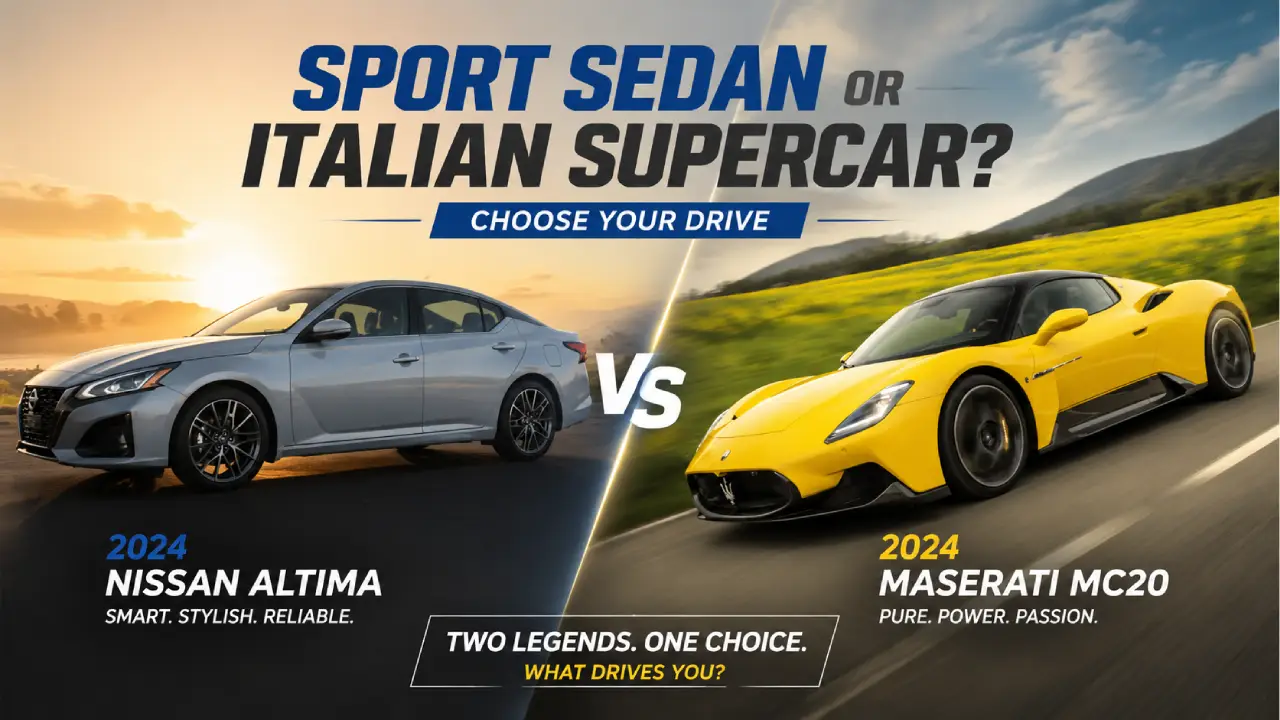
    Modern cars are safer and smarter than ever before. However, many enthusiasts believe the industry is slowly losing its excitement as manual transmissions, sports sedans, and affordable performance cars continue to disappear.

    Why Enthusiasts Feel the Automotive Industry Has Changed

    The automotive industry has transformed dramatically during the last decade. Manufacturers now focus heavily on SUVs, crossovers, electrification, and stricter emissions standards. These changes certainly benefit fuel economy and safety. However, many passionate drivers believe something important has been left behind.

    Years ago, buyers could choose from numerous affordable sports sedans, lightweight roadsters, and manual transmission models. Today, those options continue to shrink. As a result, enthusiasts often feel that modern cars prioritize convenience over driving enjoyment.

    Moreover, rising development costs and changing customer preferences have encouraged manufacturers to discontinue several enthusiast-focused models. Consequently, buyers looking for engaging driving experiences have fewer choices than ever before.

    The Slow Disappearance of Manual Transmission Cars

    One of the biggest disappointments for driving enthusiasts is the steady decline of manual gearboxes. Although automatic transmissions have become quicker and more fuel-efficient, many drivers still appreciate the control and involvement offered by a manual transmission.

    Manufacturers have gradually removed manual options from many popular performance models. Therefore, enthusiasts often view this trend as the end of a unique driving experience that cannot be fully replaced by paddle shifters or advanced automatic gearboxes.

    Meanwhile, stricter emissions regulations and lower customer demand continue to make manual transmissions less profitable for automakers.

    Affordable Sports Cars Are Becoming Rare

    Affordable performance cars once introduced many drivers to the world of enthusiast motoring. Lightweight coupes, roadsters, and sporty sedans were available at reasonable prices. However, inflation, stricter safety regulations, and increasing production costs have pushed prices significantly higher.

    Moreover, several legendary nameplates have either disappeared or evolved into more expensive premium vehicles. Consequently, younger buyers often struggle to find exciting cars that fit within their budgets.

    Even the used-car market has changed dramatically. Popular enthusiast models that were once inexpensive now command surprisingly high resale values due to limited supply and growing collector interest.

    Sedans vs SUVs: A Changing Market

    Another major debate revolves around the decline of traditional sedans. Sport utility vehicles dominate global sales because they offer higher seating positions, greater practicality, and versatile interiors.

    However, many enthusiasts continue to prefer sedans for their lighter weight, sharper handling, and better driving dynamics. Therefore, the gradual disappearance of sporty sedans remains disappointing for drivers who prioritize road feel over cargo space.

    Meanwhile, automakers continue investing heavily in crossover development because consumer demand remains exceptionally strong across global markets.

    The Future of V6 Engines

    Engine downsizing has become one of the automotive industry’s biggest trends. Turbocharged four-cylinder engines now replace naturally aspirated V6 engines in many vehicles. These smaller engines often produce similar horsepower while improving fuel efficiency and reducing emissions.

    Nevertheless, some enthusiasts miss the smooth power delivery and distinctive sound of traditional six-cylinder engines. Others argue that inline-six engines provide even better balance and refinement, while V8 engines should remain available for dedicated performance models.

    Therefore, the discussion surrounding engine configurations continues to divide automotive enthusiasts worldwide.

    Hybrid Technology and Performance Can Coexist

    Although some enthusiasts resist electrification, many manufacturers have demonstrated that hybrid technology can actually improve performance. Modern hybrid systems deliver instant torque, faster acceleration, and improved efficiency without sacrificing everyday usability.

    Moreover, advanced performance hybrids prove that environmental responsibility and driving enjoyment do not always conflict. As technology continues evolving, manufacturers may successfully combine exciting performance with lower emissions.

    Consequently, the future may offer better balance between enthusiast expectations and environmental requirements.

    The Passion Behind Automotive Debates

    Car enthusiasts often express strong opinions because automobiles represent more than transportation. For many people, driving creates emotional connections, unforgettable memories, and personal freedom.

    Therefore, discussions about disappearing manual transmissions, shrinking sports car segments, or changing engine technology reflect genuine passion rather than simple nostalgia. While opinions differ, these conversations continue shaping automotive culture around the world.

    Meanwhile, manufacturers must balance enthusiast expectations with changing regulations, customer demand, and future mobility solutions.

    Final Verdict

    The automotive world continues evolving faster than ever before. Manual transmissions, affordable sports cars, and traditional sedans may become increasingly rare, yet enthusiasm for engaging driving experiences remains stronger than ever.

    Moreover, new technologies, hybrid performance systems, and innovative engineering continue creating exciting possibilities for future vehicles. Therefore, while enthusiasts may miss certain automotive traditions, the next generation of performance cars could offer entirely new ways to enjoy driving.

    Category Details
    Main Topic Changing Automotive Trends
    Key Discussion Manual transmissions, sports cars, V6 engines, SUVs
    Industry Focus Performance vs Efficiency
    Target Audience Car Enthusiasts
    Market Trend Electrification and Hybrid Technology

    Keywords: car enthusiasts, automotive trends, manual transmission cars, sports cars, sedan vs SUV, V6 engine, hybrid performance, performance cars, automotive news, car industry, driving enthusiasts, affordable sports cars, enthusiast cars, performance sedan, future cars

    Frequently Asked Questions

    Q1. Why are manual transmission cars disappearing?

    Manual cars are declining because customer demand has shifted toward automatic transmissions, while manufacturers also face stricter efficiency and emissions regulations.

    Q2. Why are SUVs replacing sedans?

    SUVs offer higher seating positions, flexible interiors, and greater practicality, making them more attractive to a broader range of buyers.

    Q3. Will performance cars disappear in the future?

    No. Performance cars are expected to continue evolving through hybrid systems, electric powertrains, and advanced engineering rather than disappearing completely.

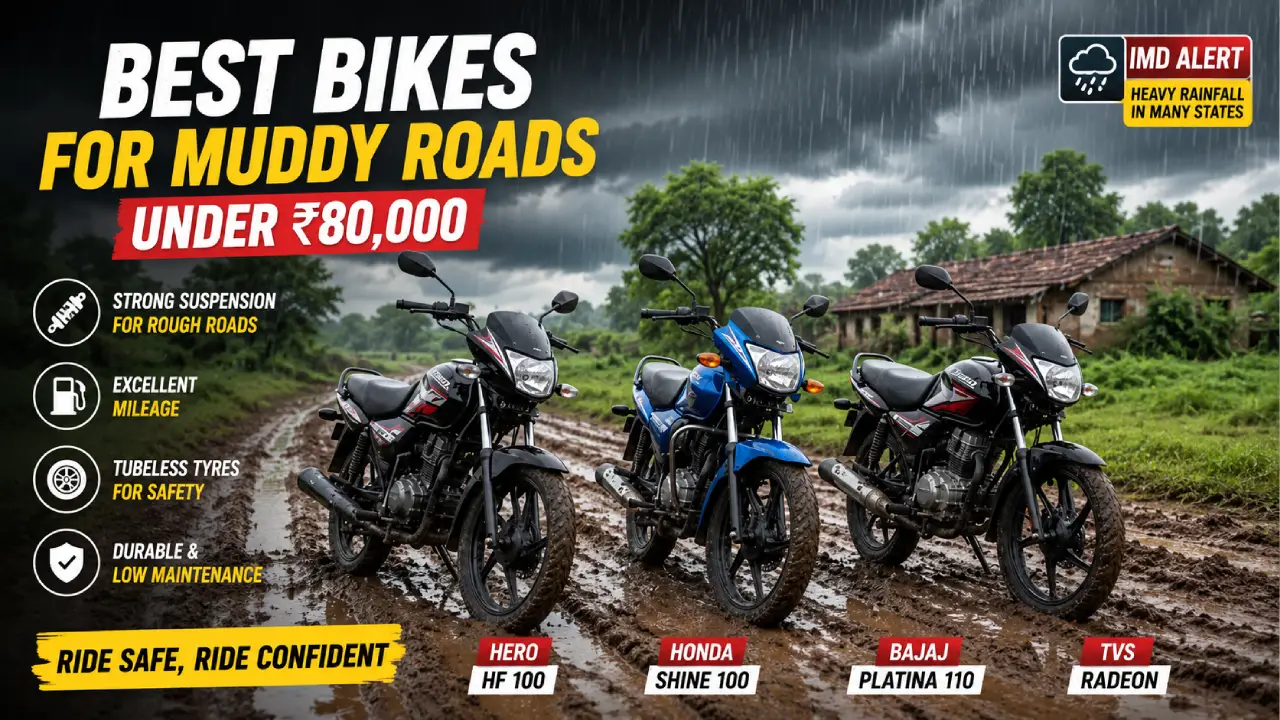
  • IMD Rain Alert! These 4 Budget Bikes Under ₹80,000 Are Perfect for Muddy Village Roads

    IMD Rain Alert! These 4 Budget Bikes Under ₹80,000 Are Perfect for Muddy Village Roads

    Introduction: Heavy rainfall across several Indian states has made village roads slippery and difficult to navigate. If you’re planning to buy a reliable commuter motorcycle this monsoon, these budget-friendly bikes under ₹80,000 offer excellent mileage, durability, and confidence on rough rural roads.

    Monsoon Makes Choosing the Right Motorcycle More Important Than Ever

    With the India Meteorological Department (IMD) issuing heavy rainfall alerts across several eastern states, including Odisha, Bihar, and Assam, thousands of daily commuters are once again facing difficult road conditions. Rural roads become muddy, potholes fill with water, and unexpected slippery patches make regular commuting much more challenging.

    Therefore, selecting the right motorcycle isn’t just about fuel economy anymore. Riders now need dependable braking, strong suspension, high ground clearance, and an engine that performs consistently even in wet weather. Moreover, affordability remains equally important for buyers in small towns and villages.

    Fortunately, several motorcycles in India’s commuter segment continue to deliver an impressive combination of reliability, mileage, low maintenance, and durability without crossing the ₹80,000 mark.

    Why Village Riders Need a Different Type of Motorcycle

    Unlike city commuters, rural riders often travel through broken roads, gravel tracks, agricultural fields, and muddy village lanes every day. Consequently, motorcycles designed only for smooth highways may struggle under these conditions.

    A practical village motorcycle should have a lightweight frame, simple mechanical components, good suspension travel, durable tyres, and affordable maintenance. Furthermore, better fuel efficiency helps reduce running costs for families who travel long distances every day.

    According to dealers in Bhubaneswar, Patna, and Guwahati, demand for commuter motorcycles with stronger suspension and higher ground clearance has increased noticeably since the arrival of the monsoon.

    Top 4 Budget Bikes Under ₹80,000 for Rainy Village Roads

    Several entry-level motorcycles continue to dominate this segment because they have proven their reliability over many years. Moreover, these bikes are widely available across India, making servicing and spare parts extremely convenient.

    Motorcycle Ex-Showroom Price Major Strength
    Hero HF 100 ₹59,018 Lowest maintenance cost
    Honda Shine 100 ₹65,011 Reliable refined engine
    Bajaj Platina 110 ₹71,354 Excellent suspension comfort
    TVS Radeon ₹77,393 Strong build quality

    Hero HF 100 Remains the Most Affordable Choice

    The Hero HF 100 continues to be one of India’s most economical commuter motorcycles. It combines a simple air-cooled engine with low ownership costs and dependable reliability.

    Moreover, Hero’s extensive dealership network ensures easy servicing even in remote villages. Spare parts are inexpensive, while fuel efficiency remains one of the highest in its class.

    For buyers looking for basic transportation without unnecessary complexity, the HF 100 continues to offer excellent value.

    Honda Shine 100 Delivers Smooth Everyday Performance

    Honda’s Shine 100 has quickly become popular among rural customers because of its refined engine and dependable build quality. The motorcycle feels smooth during slow-speed riding, making it particularly comfortable in heavy traffic as well as narrow village roads.

    Additionally, Honda’s reputation for engine reliability gives buyers extra confidence during long-term ownership. The bike also offers excellent fuel efficiency, helping reduce monthly fuel expenses.

    Bajaj Platina 110 Excels on Rough Roads

    If rider comfort is your highest priority, the Bajaj Platina 110 deserves serious consideration. Its long-travel suspension absorbs potholes remarkably well, allowing riders to remain comfortable even after long hours on broken village roads.

    Furthermore, the comfortable seating position reduces fatigue during daily commuting between villages and nearby towns. Bajaj has also equipped the motorcycle with practical features that improve safety and convenience during everyday use.

    TVS Radeon Offers Strong Build Quality

    The TVS Radeon combines classic styling with a robust chassis that performs confidently on rough terrain. Moreover, its metal body panels, sturdy construction, and comfortable suspension make it an excellent companion for rural riders.

    Many buyers also appreciate its premium finish, comfortable seat, and refined engine. Therefore, the Radeon remains one of the strongest contenders in the commuter motorcycle segment.

    Essential Tips for Riding Safely on Muddy Village Roads

    Buying the right motorcycle is only one part of safe monsoon riding. Your riding habits also play a major role in preventing accidents on slippery roads. Therefore, riders should always reduce speed before entering muddy patches and avoid sudden braking whenever possible.

    Moreover, maintaining a steady throttle helps the rear wheel retain grip on loose surfaces. Sudden acceleration can easily cause the tyre to spin, especially on wet clay roads commonly found in rural areas.

    Experts also recommend using both front and rear brakes smoothly instead of relying on only one brake. Meanwhile, keeping a safe distance from tractors, trucks, and other vehicles becomes even more important during heavy rain because stopping distances increase significantly.

    Features That Matter Most During the Rainy Season

    Many buyers focus only on price and mileage, but several practical features become extremely valuable during the monsoon. A motorcycle with tubeless tyres can save both time and money because punctures are easier to repair. Likewise, Combined Braking System (CBS) improves stability while braking on slippery roads.

    Furthermore, motorcycles equipped with a strong metal carrier prove useful for farmers and small business owners who regularly transport goods between villages and nearby markets. A full chain cover also helps protect important components from mud and water, reducing maintenance costs over time.

    Feature Benefit During Monsoon
    Tubeless Tyres Quick puncture repair and better safety
    CBS Braking Improved control on wet roads
    High Ground Clearance Handles flooded and uneven roads easily
    Long Travel Suspension Absorbs potholes and rough surfaces
    Full Chain Cover Protects chain from mud and water

    How to Protect Your Motorcycle During Heavy Rain

    Regular maintenance becomes even more important during the rainy season. Riders should wash mud off the motorcycle after every long ride because dried mud can damage moving components. Moreover, cleaning and lubricating the chain regularly helps extend its life.

    It is also advisable to check tyre pressure every week, inspect brake pads, and ensure all lights are functioning correctly. Meanwhile, if your area experiences waterlogging, avoid riding through water deeper than the wheel hub. Doing so may allow water to enter the engine and lead to expensive repairs.

    Additionally, many insurance providers now offer engine protection cover, which can be extremely useful during the monsoon. This optional cover protects owners against engine damage caused by water ingress, making it a worthwhile investment for riders living in flood-prone regions.

    Which Bike Should You Choose?

    Your final decision should depend on your daily riding requirements. If your priority is the lowest purchase price and maintenance cost, the Hero HF 100 remains an excellent option. However, buyers looking for smoother refinement may find the Honda Shine 100 more appealing.

    On the other hand, riders who frequently travel over broken village roads will appreciate the Bajaj Platina 110’s comfortable suspension. Meanwhile, customers wanting a stronger build quality with premium styling should consider the TVS Radeon.

    Each of these motorcycles offers dependable performance, excellent fuel economy, and affordable ownership costs. Therefore, selecting any one of them would be a practical decision for daily rural commuting.

    Final Verdict

    The monsoon season presents unique challenges for millions of Indian riders, especially those living in villages and semi-urban areas. Choosing a motorcycle with dependable reliability, excellent mileage, comfortable suspension, and low maintenance can make daily travel significantly easier.

    Whether you choose the Hero HF 100, Honda Shine 100, Bajaj Platina 110, or TVS Radeon, all four motorcycles provide strong value for money while staying below the ₹80,000 price point. Moreover, with proper maintenance and careful riding habits, these commuter bikes can deliver years of dependable service across every season.

    Frequently Asked Questions (FAQs)

    Q1. Which bike is best for muddy village roads?
    The Bajaj Platina 110 and TVS Radeon are excellent choices thanks to their comfortable suspension and sturdy construction.

    Q2. Which motorcycle offers the best mileage under ₹80,000?
    Hero HF 100 and Honda Shine 100 are among the most fuel-efficient commuter motorcycles in this price range.

    Q3. Should I buy engine protection insurance during the monsoon?
    Yes. If your area experiences frequent flooding or waterlogging, engine protection cover can help reduce expensive repair costs caused by water damage.

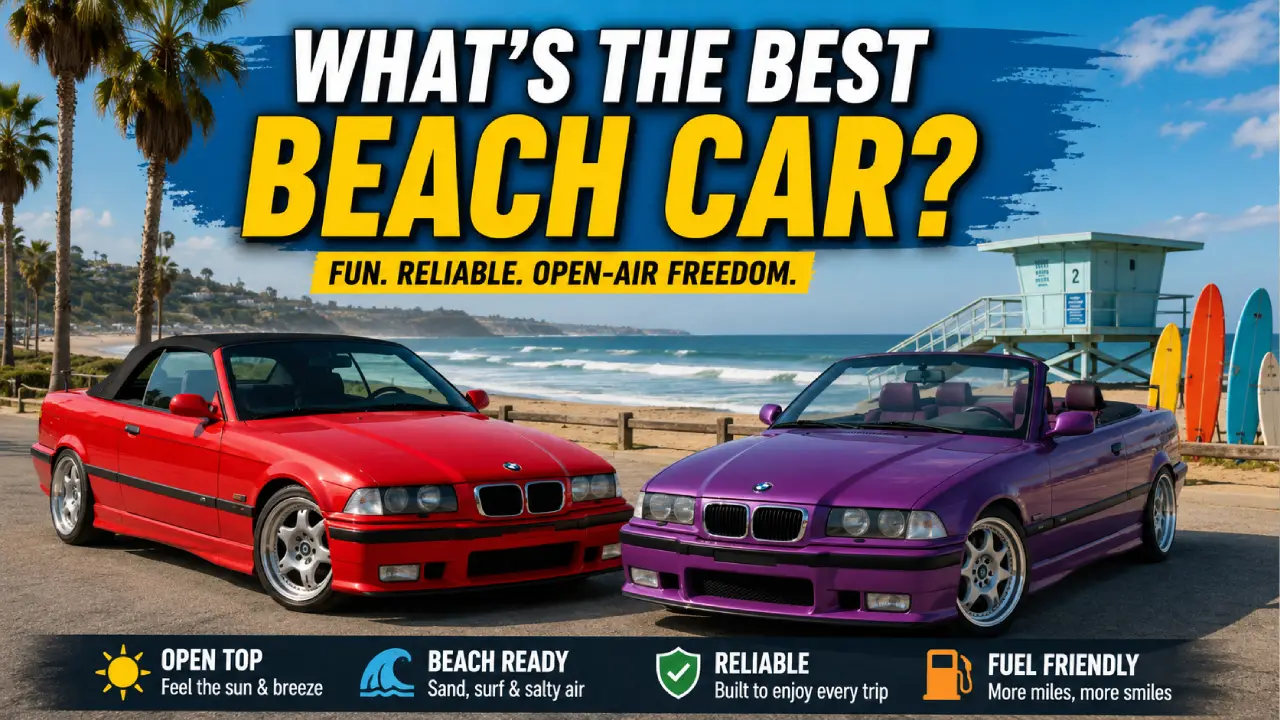
  • What’s The Best Beach Car? These Practical and Fun Cars Make Every Coastal Trip Better

    What’s The Best Beach Car? These Practical and Fun Cars Make Every Coastal Trip Better

    Planning a beach vacation? The right car can make the journey as enjoyable as the destination. From open-top convertibles to practical SUVs, here are the best beach cars that combine comfort, fun, storage, and everyday usability.

    Why Choosing the Right Beach Car Matters

    A beach trip is different from everyday driving. You’re not just commuting—you’re carrying beach chairs, umbrellas, coolers, towels, surfboards, and often a group of friends or family. Therefore, the ideal beach car should offer generous cargo space, comfortable seating, reliable performance, and enough practicality to handle sandy parking lots and coastal roads.

    Moreover, fuel efficiency plays an important role because many beach destinations involve long highway drives. Buyers also appreciate vehicles that are easy to clean after bringing back sand, salt, and wet gear.

    Convertible Cars Deliver the Ultimate Beach Experience

    For many enthusiasts, nothing beats driving along the coastline with the roof folded down. A convertible offers an unmatched feeling of freedom while allowing passengers to enjoy sunshine and fresh ocean air throughout the journey.

    Classic convertibles like the BMW E36 Convertible continue to attract attention because they combine sporty handling, timeless styling, and enough space for weekend travel. While they may not be the most practical vehicles, they certainly create memorable road trips.

    In addition, modern convertibles provide improved safety, better ride quality, and enhanced reliability compared to older generations, making them suitable for regular weekend adventures.

    Can an Older BMW Still Be the Perfect Beach Car?

    Many automotive enthusiasts still consider the BMW E36 Convertible one of the best affordable beach cars. It offers four seats instead of two, making it much more practical than many roadsters.

    The separate trunk also protects luggage, towels, cameras, and other valuables from blowing away while driving with the roof open. Unlike open cargo areas found in some off-road SUVs, everything stays secure during highway cruising.

    Furthermore, replacement parts remain widely available, and a well-maintained example can still deliver an enjoyable driving experience decades after its launch.

    Why SUVs Continue to Dominate Beach Trips

    Although convertibles offer excitement, SUVs remain the most popular choice for families visiting the beach. Their higher seating position improves visibility, while generous cargo space easily accommodates coolers, folding chairs, camping equipment, and children’s toys.

    Models such as the Jeep Wrangler, Ford Bronco, Toyota 4Runner, Subaru Outback, and Land Rover Defender are frequently recommended because they comfortably handle rough parking areas, muddy access roads, and occasional off-road trails leading to hidden beaches.

    Meanwhile, four-wheel-drive capability adds extra confidence when driving on loose sand where permitted.

    Storage Space Makes Every Beach Trip Easier

    One feature buyers often overlook is cargo capacity. Beach vacations require significantly more luggage than regular city driving. Therefore, a spacious trunk becomes extremely valuable.

    Whether carrying umbrellas, inflatable floats, picnic baskets, portable grills, or sports equipment, having organized storage keeps passengers comfortable throughout the journey.

    Additionally, vehicles with folding rear seats provide extra flexibility whenever additional cargo space becomes necessary.

    Comfort Is Just as Important as Performance

    Beach drives often involve several hours behind the wheel. Comfortable seats, effective air conditioning, quiet cabins, and smooth suspension greatly improve the overall travel experience.

    Drivers should also look for features such as wireless smartphone connectivity, multiple USB charging ports, premium audio systems, and navigation support. These small conveniences make long coastal drives much more enjoyable.

    Fuel Economy Helps Reduce Vacation Costs

    With fuel prices remaining unpredictable, choosing an efficient vehicle can significantly reduce travel expenses. Modern hybrid SUVs and efficient turbocharged sedans provide impressive highway mileage without sacrificing comfort.

    Moreover, lighter vehicles generally consume less fuel, allowing travelers to spend more money enjoying their destination rather than filling the fuel tank.

    Feature Ideal Beach Car
    Roof Style Convertible or Panoramic Sunroof
    Seating Capacity 4–5 Passengers
    Cargo Space Large Trunk with Foldable Seats
    Drive Type FWD, AWD or 4WD
    Fuel Economy 15–25 km/l (Depending on Vehicle)
    Best For Weekend Trips, Family Travel, Coastal Driving

    Planning a beach vacation? The right car can make the journey as enjoyable as the destination. From open-top convertibles to practical SUVs, here are the best beach cars that combine comfort, fun, storage, and everyday usability.

    Why Choosing the Right Beach Car Matters

    A beach trip is different from everyday driving. You’re not just commuting—you’re carrying beach chairs, umbrellas, coolers, towels, surfboards, and often a group of friends or family. Therefore, the ideal beach car should offer generous cargo space, comfortable seating, reliable performance, and enough practicality to handle sandy parking lots and coastal roads.

    Moreover, fuel efficiency plays an important role because many beach destinations involve long highway drives. Buyers also appreciate vehicles that are easy to clean after bringing back sand, salt, and wet gear.

    Convertible Cars Deliver the Ultimate Beach Experience

    For many enthusiasts, nothing beats driving along the coastline with the roof folded down. A convertible offers an unmatched feeling of freedom while allowing passengers to enjoy sunshine and fresh ocean air throughout the journey.

    Classic convertibles like the BMW E36 Convertible continue to attract attention because they combine sporty handling, timeless styling, and enough space for weekend travel. While they may not be the most practical vehicles, they certainly create memorable road trips.

    In addition, modern convertibles provide improved safety, better ride quality, and enhanced reliability compared to older generations, making them suitable for regular weekend adventures.

    Can an Older BMW Still Be the Perfect Beach Car?

    Many automotive enthusiasts still consider the BMW E36 Convertible one of the best affordable beach cars. It offers four seats instead of two, making it much more practical than many roadsters.

    The separate trunk also protects luggage, towels, cameras, and other valuables from blowing away while driving with the roof open. Unlike open cargo areas found in some off-road SUVs, everything stays secure during highway cruising.

    Furthermore, replacement parts remain widely available, and a well-maintained example can still deliver an enjoyable driving experience decades after its launch.

    Why SUVs Continue to Dominate Beach Trips

    Although convertibles offer excitement, SUVs remain the most popular choice for families visiting the beach. Their higher seating position improves visibility, while generous cargo space easily accommodates coolers, folding chairs, camping equipment, and children’s toys.

    Models such as the Jeep Wrangler, Ford Bronco, Toyota 4Runner, Subaru Outback, and Land Rover Defender are frequently recommended because they comfortably handle rough parking areas, muddy access roads, and occasional off-road trails leading to hidden beaches.

    Meanwhile, four-wheel-drive capability adds extra confidence when driving on loose sand where permitted.

    Storage Space Makes Every Beach Trip Easier

    One feature buyers often overlook is cargo capacity. Beach vacations require significantly more luggage than regular city driving. Therefore, a spacious trunk becomes extremely valuable.

    Whether carrying umbrellas, inflatable floats, picnic baskets, portable grills, or sports equipment, having organized storage keeps passengers comfortable throughout the journey.

    Additionally, vehicles with folding rear seats provide extra flexibility whenever additional cargo space becomes necessary.

    Comfort Is Just as Important as Performance

    Beach drives often involve several hours behind the wheel. Comfortable seats, effective air conditioning, quiet cabins, and smooth suspension greatly improve the overall travel experience.

    Drivers should also look for features such as wireless smartphone connectivity, multiple USB charging ports, premium audio systems, and navigation support. These small conveniences make long coastal drives much more enjoyable.

    Fuel Economy Helps Reduce Vacation Costs

    With fuel prices remaining unpredictable, choosing an efficient vehicle can significantly reduce travel expenses. Modern hybrid SUVs and efficient turbocharged sedans provide impressive highway mileage without sacrificing comfort.

    Moreover, lighter vehicles generally consume less fuel, allowing travelers to spend more money enjoying their destination rather than filling the fuel tank.

    Feature Ideal Beach Car
    Roof Style Convertible or Panoramic Sunroof
    Seating Capacity 4–5 Passengers
    Cargo Space Large Trunk with Foldable Seats
    Drive Type FWD, AWD or 4WD
    Fuel Economy 15–25 km/l (Depending on Vehicle)
    Best For Weekend Trips, Family Travel, Coastal Driving

    Top Beach Cars Worth Considering in 2026

    The perfect beach car depends on your lifestyle and budget. While some drivers prefer the excitement of a convertible, others value the practicality of an SUV or wagon. Fortunately, today’s market offers excellent choices for every type of buyer.

    If you enjoy open-air driving, a BMW E36 Convertible or Mazda MX-5 Miata can deliver a memorable coastal experience. Meanwhile, buyers looking for extra luggage space should consider the Subaru Outback, Jeep Wrangler, Ford Bronco, or Toyota 4Runner. These vehicles offer greater versatility for family vacations and outdoor adventures.

    Vehicle Best For Key Advantage
    BMW E36 Convertible Weekend Beach Trips Open-top driving experience
    Mazda MX-5 Miata Couples Fun handling and efficiency
    Jeep Wrangler Beach Trails Excellent off-road capability
    Ford Bronco Adventure Lovers Modern technology with rugged design
    Toyota 4Runner Family Travel Reliable and spacious cabin
    Subaru Outback Daily & Vacation Use Comfortable ride with AWD

    Convertible or SUV: Which One Should You Choose?

    Both vehicle types have their own strengths. A convertible offers unmatched driving enjoyment, especially during sunny mornings and coastal evenings. However, storage space remains limited compared to SUVs.

    On the other hand, SUVs provide significantly more luggage room, better ground clearance, higher seating positions, and improved practicality for families. Moreover, AWD or 4WD systems make them more capable on sandy parking areas and uneven coastal roads.

    If your trips mainly involve two people, a convertible can be a fantastic choice. However, larger families will appreciate the flexibility and comfort that an SUV offers.

    Essential Features Every Beach Car Should Have

    Before buying a vehicle specifically for beach trips, it’s important to focus on practicality rather than appearance alone. A few well-chosen features can make every journey easier and more enjoyable.

    Feature Benefit
    Large Boot Space Stores luggage, coolers and beach gear
    Foldable Rear Seats Creates extra cargo capacity
    Water-Resistant Interior Easier to clean after beach visits
    Climate Control Keeps passengers comfortable
    Apple CarPlay / Android Auto Easy navigation and entertainment
    Rear Camera Safer parking near crowded beaches

    Buying Advice Before Choosing Your Beach Car

    Although style matters, practicality should always come first. Buyers should carefully evaluate seating capacity, luggage space, fuel economy, maintenance costs, and long-term reliability before making a decision.

    Moreover, checking insurance costs and service availability can help reduce ownership expenses. Drivers planning frequent coastal trips should also choose vehicles with corrosion protection, as salty air can gradually affect metal components.

    If you’re shopping for a used convertible, inspect the roof mechanism, suspension, brakes, and cooling system carefully. Meanwhile, SUV buyers should verify the condition of the drivetrain and underbody, especially if the vehicle has been driven off-road.

    Final Verdict

    There isn’t one perfect beach car for everyone. Instead, the ideal choice depends on how you travel, how many passengers you carry, and the type of adventures you enjoy. A classic convertible delivers unmatched driving excitement, while an SUV offers superior practicality, comfort, and versatility.

    Ultimately, the best beach car is one that comfortably carries your family, keeps your luggage secure, remains affordable to own, and turns every coastal drive into an unforgettable experience. Whether you choose an iconic convertible or a spacious SUV, planning ahead will ensure every beach vacation starts with the perfect ride.

    Frequently Asked Questions (FAQs)

    Q1. Are convertibles good for beach trips?
    Yes. Convertibles provide an enjoyable open-air driving experience and are perfect for scenic coastal roads, although they offer less cargo space than SUVs.

    Q2. Which type of vehicle is best for family beach vacations?
    A midsize or full-size SUV is usually the best choice because it offers generous seating, larger luggage capacity, and better comfort for long-distance travel.

    Q3. Is AWD necessary for beach driving?
    Not always. AWD or 4WD becomes useful only where driving on sand is legally permitted or when roads leading to beaches are rough and uneven.
  • Toyota 7-Seater Hyryder Hybrid Is Coming: More Space, Better Mileage, and the Perfect SUV for Indian Families

    Toyota 7-Seater Hyryder Hybrid Is Coming: More Space, Better Mileage, and the Perfect SUV for Indian Families

    Toyota is preparing to expand its popular Hyryder lineup with a brand-new 7-seater hybrid SUV. Designed especially for large Indian families, the upcoming model is expected to combine generous cabin space, Toyota’s fuel-efficient hybrid technology, and premium comfort, making it one of the most anticipated SUV launches of the year.

    Toyota 7-Seater Hyryder Hybrid Will Offer More Practical Space

    The biggest highlight of the upcoming Toyota Hyryder will be its new 5+2 seating layout. Unlike the current five-seater model, the new version will provide an additional third row, allowing families to travel more comfortably without moving to a much larger SUV.

    Moreover, the third-row seats are expected to be ideal for children, occasional passengers, or weekend family trips. Buyers who often travel with relatives will appreciate the added flexibility.

    Meanwhile, Toyota is likely to redesign the rear section of the SUV to create additional cabin room while maintaining comfortable legroom for second-row passengers.

    Toyota Strong Hybrid Technology Remains the Biggest Attraction

    Toyota has already earned a strong reputation in India for its efficient hybrid technology. The upcoming 7-seater Hyryder is expected to continue with the company’s proven Strong Hybrid system, which combines a petrol engine with an electric motor to deliver excellent fuel efficiency.

    Unlike conventional petrol SUVs, the hybrid system can operate on electric power during slow city traffic, reducing fuel consumption significantly. Therefore, daily commuters can expect lower running costs without compromising performance.

    For Indian buyers, where fuel prices continue to remain an important concern, this technology could become one of the SUV’s biggest selling points.

    Expected Engine and Mileage

    Although Toyota has not officially confirmed the specifications, industry reports suggest that the SUV could continue with the familiar 1.5-litre strong hybrid powertrain currently available in the Urban Cruiser Hyryder.

    Feature Expected Details
    Engine 1.5L Petrol Strong Hybrid
    Transmission e-CVT Automatic
    Drive Type Front-Wheel Drive
    Expected Mileage 24–28 km/l (Expected)
    Seating Capacity 7 Seats (5+2 Layout)

    However, official specifications will only be confirmed at the time of launch.

    Premium Features for Modern Families

    The upcoming SUV is expected to receive several premium comfort and convenience features. Toyota may continue offering a large touchscreen infotainment system with wireless Android Auto and Apple CarPlay, automatic climate control, connected car technology, wireless charging, panoramic sunroof, ventilated front seats, and premium upholstery.

    Furthermore, improved cabin insulation and enhanced ride comfort could make long-distance journeys more enjoyable for every passenger.

    Safety Could Become One of Its Strongest Advantages

    Safety has become a major buying factor in India, and Toyota is expected to equip the new Hyryder with multiple advanced safety technologies.

    Expected safety equipment may include six airbags, Electronic Stability Control (ESC), Hill Hold Assist, ABS with EBD, ISOFIX child seat mounts, rear parking sensors, a reverse camera, and possibly a 360-degree camera in higher variants.

    These additions could make the SUV an excellent option for families prioritizing passenger protection.

    Toyota 7-Seater Hyryder Hybrid Expected Price and Launch Timeline

    Toyota has not officially announced the launch date or pricing of the upcoming 7-seater Hyryder Hybrid. However, industry reports suggest that the SUV could make its global debut before the end of 2026, with bookings likely to begin soon after the official reveal.

    Since the new model will offer an additional row of seats and Toyota’s proven strong hybrid technology, it is expected to be priced slightly above the current five-seater Hyryder.

    Category Expected Details
    Launch Timeline Expected by late 2026
    Expected Starting Price ₹18 lakh – ₹23 lakh (Ex-showroom, Expected)
    Booking Status Expected after official launch
    Fuel Type Strong Hybrid Petrol

    Which SUVs Will Compete With the Toyota 7-Seater Hyryder?

    The upcoming Toyota SUV will enter one of India’s most competitive family SUV segments. It is expected to compete with several popular models that already have a strong customer base.

    Its major rivals are likely to include the Maruti Suzuki XL6, Kia Carens, Citroen C3 Aircross, Hyundai Alcazar, MG Hector Plus, and selected variants of the Mahindra XUV700.

    However, Toyota could gain an advantage because none of these rivals currently offer the same combination of a strong hybrid powertrain and Toyota’s long-term reliability.

    Why This SUV Could Become a Smart Family Choice

    Indian buyers today expect much more than just extra seating. They want low running costs, dependable performance, premium comfort, and advanced safety in one package. The upcoming Toyota Hyryder Hybrid appears to tick all these boxes.

    Moreover, hybrid technology continues to attract buyers looking to reduce fuel expenses without switching completely to electric vehicles. Therefore, Toyota’s latest offering could appeal to both city commuters and long-distance travelers.

    The flexible 5+2 seating arrangement also makes the SUV practical for everyday use while providing additional seating whenever needed.

    Pros and Cons

    Pros Cons
    Excellent expected mileage Higher price than petrol variants
    Toyota’s reliable hybrid technology Third-row space may suit children better
    Premium features and safety Boot space may reduce with all seats occupied
    Comfortable family-friendly cabin Official specifications are yet to be confirmed

    Should You Wait for the Toyota 7-Seater Hyryder Hybrid?

    If you are planning to purchase a spacious family SUV in the coming months, waiting for the Toyota 7-Seater Hyryder Hybrid could be a wise decision. The combination of extra seating, impressive fuel efficiency, premium features, and Toyota’s trusted hybrid system makes it one of the most exciting upcoming launches in India.

    Although official specifications, pricing, and launch details are still awaited, expectations remain high. If Toyota delivers everything buyers are expecting, this SUV could become one of the strongest contenders in the premium family SUV segment.

    Frequently Asked Questions (FAQs)

    Q1. When will the Toyota 7-Seater Hyryder Hybrid launch in India?

    It is expected to launch by the end of 2026, although Toyota has not officially confirmed the date.

    Q2. What mileage can buyers expect?

    The strong hybrid version is expected to deliver around 24–28 km/l, depending on driving conditions.

    Q3. Which cars will compete with the Toyota 7-Seater Hyryder?

    Its expected rivals include the Maruti Suzuki XL6, Kia Carens, Hyundai Alcazar, Citroen C3 Aircross, MG Hector Plus, and Mahindra XUV700.

  • Monsoon Car Driving Tips: Avoid These Common Mistakes to Keep Your Car Safe During Heavy Rain

    Monsoon Car Driving Tips: Avoid These Common Mistakes to Keep Your Car Safe During Heavy Rain

    Driving during the monsoon can be risky if you ignore basic precautions. These simple rain driving tips will help protect your car, improve safety, and reduce expensive repair costs.

    Why Monsoon Driving Needs Extra Attention

    Heavy rain changes road conditions within minutes. Waterlogging, poor visibility, slippery roads, and hidden potholes increase the chances of accidents and vehicle damage. Therefore, every driver should prepare their car before heading out during the rainy season.

    Moreover, a little preventive maintenance can save thousands of rupees in repair bills. From checking tyres to using headlights correctly, every small step makes a big difference.

    Check Your Tyres Before Every Long Drive

    Your tyres are the only point of contact between the car and the road. During rain, worn-out tyres lose grip quickly and increase the risk of skidding.

    Always inspect the tyre tread depth before the monsoon begins. Maintain the recommended tyre pressure because overinflated or underinflated tyres reduce stability on wet roads.

    Avoid Driving Through Deep Water

    One of the biggest mistakes drivers make is attempting to cross flooded roads without checking the water level. Even if another vehicle has crossed safely, your car may have a different ground clearance.

    If water reaches above the wheel hub, avoid entering the flooded section. Deep water can damage the engine, electrical components, transmission, and braking system.

    Drive Slowly and Maintain a Safe Distance

    Rain significantly increases braking distance. Therefore, keep more space between your vehicle and the one ahead. Avoid sudden acceleration, harsh braking, or quick steering movements.

    Driving smoothly helps maintain traction and reduces the chances of hydroplaning, where tyres lose contact with the road surface.

    Use Headlights Correctly

    Visibility drops sharply during heavy rainfall. Switch on your low-beam headlights even during daytime so other drivers can see your vehicle clearly.

    However, avoid using high beams because they reflect off rain droplets and reduce visibility even further.

    Keep Wipers and Defogger in Good Condition

    Clear visibility is essential for safe driving. Replace worn-out wiper blades before the rainy season begins. If they leave streaks or make noise, it’s time for a replacement.

    Use the rear defogger and air conditioner to remove fog from the windshield and windows, ensuring a clear view of the road.

    Inspect the Brakes After Driving Through Water

    If your car passes through a waterlogged road, gently apply the brakes several times once you reach a dry surface. This helps remove moisture from the brake discs and improves braking performance.

    Meanwhile, if you notice unusual noises or reduced braking efficiency, get the system inspected immediately.

    Emergency Kit Every Car Should Carry During Monsoon

    Item Purpose
    Torch Useful during breakdowns at night
    Portable Air Compressor Maintain proper tyre pressure
    Jumper Cables Help restart a discharged battery
    Tow Rope Useful if the car gets stuck
    First Aid Kit Emergency medical assistance
    Microfiber Cloth Clean mirrors and windows quickly

    Final Thoughts

    Driving safely during the monsoon is more about preparation than luck. Simple habits like checking tyres, avoiding deep water, maintaining safe speed, and ensuring good visibility can protect both your vehicle and your family. Moreover, regular maintenance before the rainy season can prevent expensive repairs and keep your journeys stress-free.

    Frequently Asked Questions (FAQs)

    Q1. Is it safe to drive through flooded roads?
    No. If the water level is above the wheel hub, it is better to avoid crossing because it may damage the engine and electrical systems.

    Q2. Should I reduce tyre pressure during the rainy season?
    No. Always maintain the tyre pressure recommended by the manufacturer for the best grip and stability.

    Q3. Why should headlights be used during daytime rain?
    Low-beam headlights improve your visibility to other drivers and make driving safer during heavy rainfall.