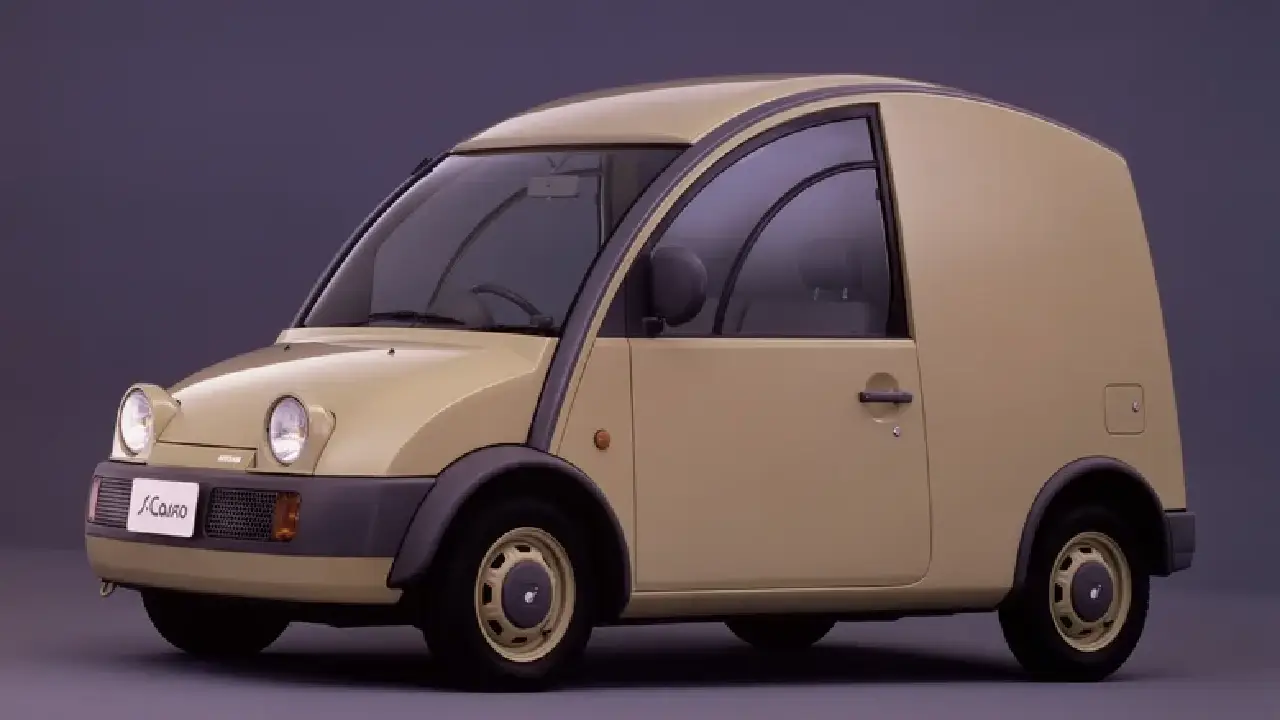
Introduction: Modern vans focus on practicality, but classic models had something today’s vehicles often lack—personality. With quirky faces, unique styling, and clever engineering, these vintage vans looked like they belonged in an animated movie rather than on public roads. Here are some of the most charming vans ever built.
Vintage Vans That Look Like Cartoon Characters
Today’s vans are designed with efficiency, safety, and aerodynamics in mind. While they perform better than ever, many of them have lost the playful styling that made older commercial vehicles so memorable. Decades ago, several manufacturers built vans with expressive front ends, rounded bodies, and distinctive designs that gave each model its own personality.
From smiling headlights to quirky proportions, these classic vans continue to attract collectors and automotive enthusiasts around the world. Beyond their unusual appearance, many of them introduced innovative engineering concepts that later became common across the automotive industry.
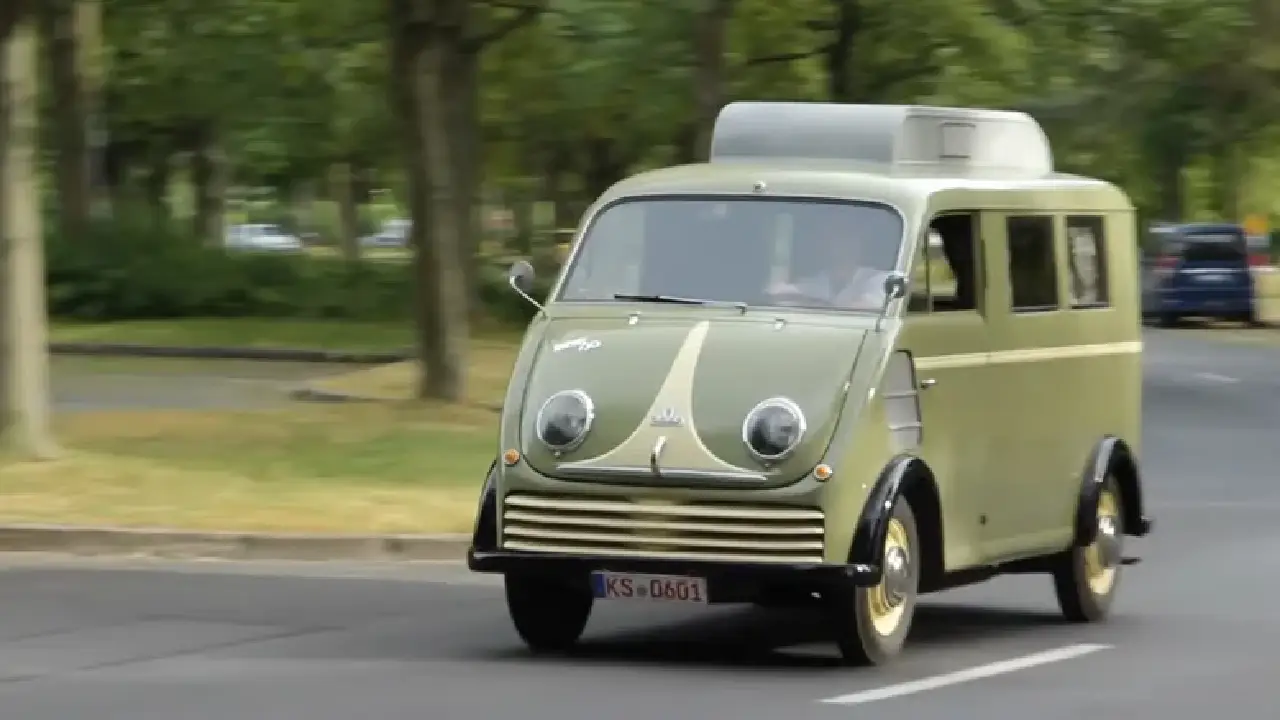
1. DKW Schnellaster (1949–1962)
The DKW Schnellaster is often remembered as one of the friendliest-looking vans ever produced. Its large round headlights and compact body create an almost cheerful expression that still stands out today.
Introduced shortly after World War II, the Schnellaster was far ahead of its time. It featured a front-engine, front-wheel-drive layout and a one-box design that maximized interior space while providing a flat cargo floor. These ideas would later become standard for modern vans and MPVs.
| Feature | Details |
|---|---|
| Production | 1949–1962 |
| Engine | 700cc–900cc Two-Stroke |
| Power | 20–32 HP |
| Drive Type | Front-Wheel Drive |
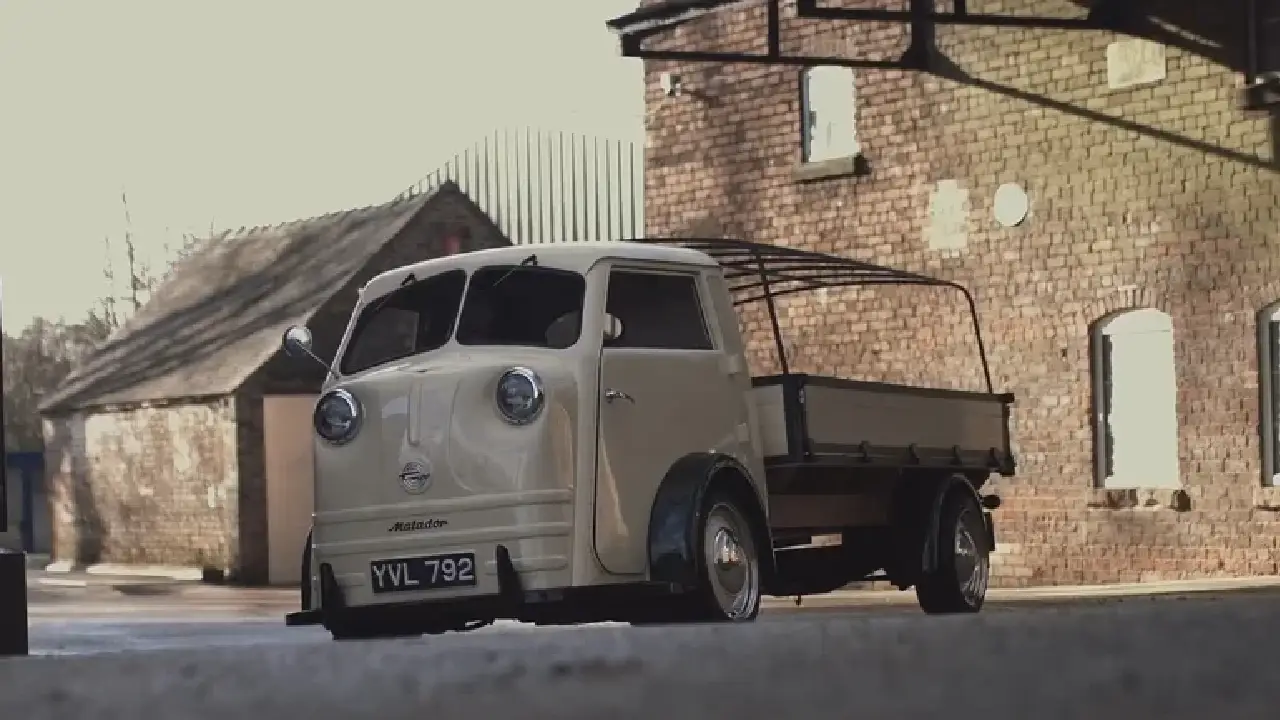
2. Tempo Matador (1949–1951)
The Tempo Matador carries a completely different personality. Its closely placed headlights and curved front fascia give it a thoughtful, almost sad expression, making it one of the most distinctive commercial vehicles of its era.
Built in Germany, the Matador initially used a Volkswagen air-cooled engine before switching to a different powertrain after production changes. Although its first production run lasted only a short period, the Matador remains one of the rarest and most recognizable vintage vans today.
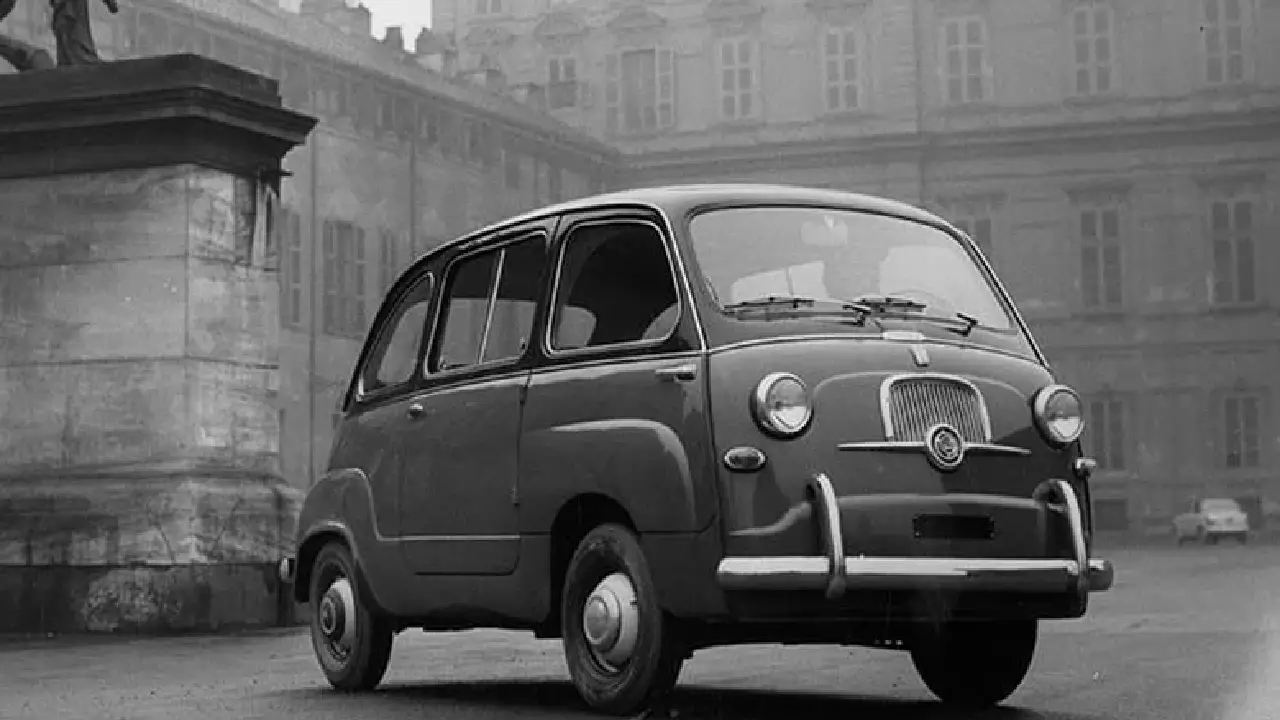
3. Fiat 600 Multipla (1956–1967)
The Fiat 600 Multipla proved that a compact vehicle could still be incredibly practical. Despite its tiny footprint, the van could comfortably seat six passengers thanks to its clever interior layout.
Powered by a small rear-mounted engine, the Multipla became popular as a taxi and family vehicle across Europe. Its rounded design and compact dimensions continue to make it one of the cutest classic vans ever built.
| Feature | Details |
|---|---|
| Production | 1956–1967 |
| Engine | 633cc Four-Cylinder |
| Power | 21.5 HP |
| Seating | Up to 6 People |
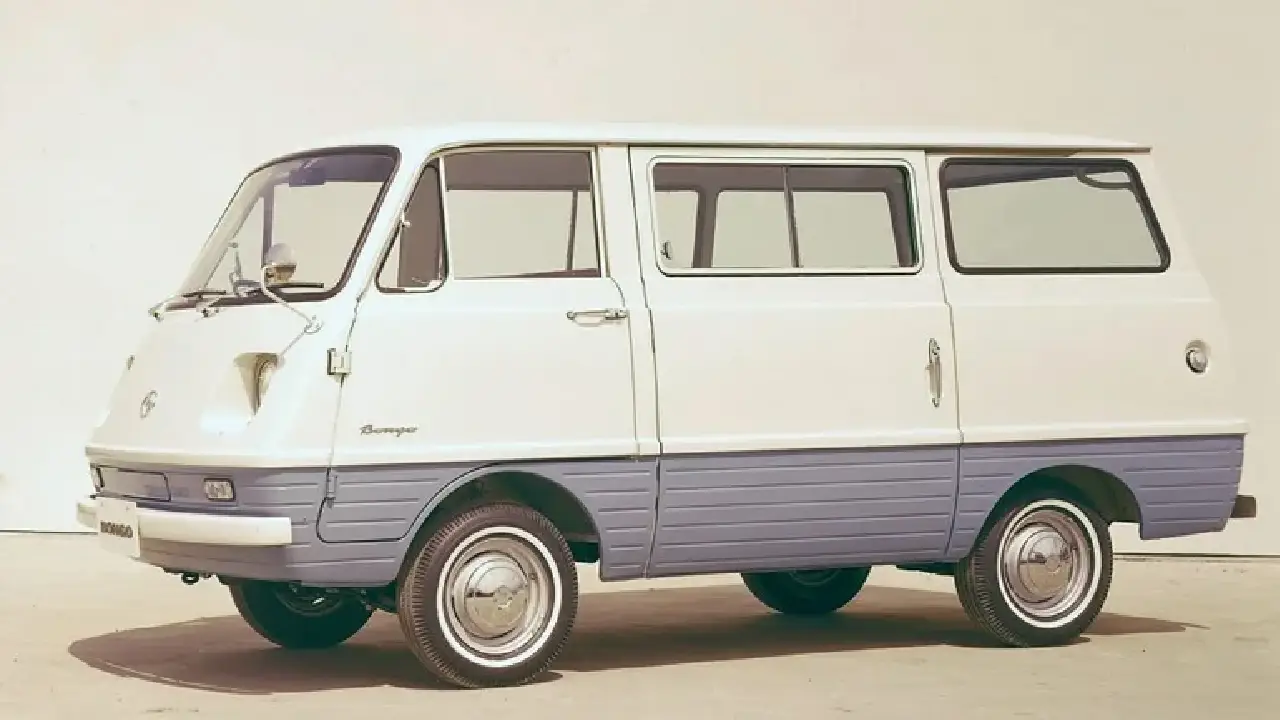
4. Mazda Bongo (First Generation)
When Mazda launched the first-generation Bongo in 1966, it combined practicality with a charming design that immediately stood out. Its flat nose, rounded headlights, and two-tone paint options gave it a friendly appearance.
The Bongo also introduced several practical features, including a low loading height and spacious passenger cabin. Independent suspension on both axles improved ride comfort, making it one of the most advanced compact vans of its time.
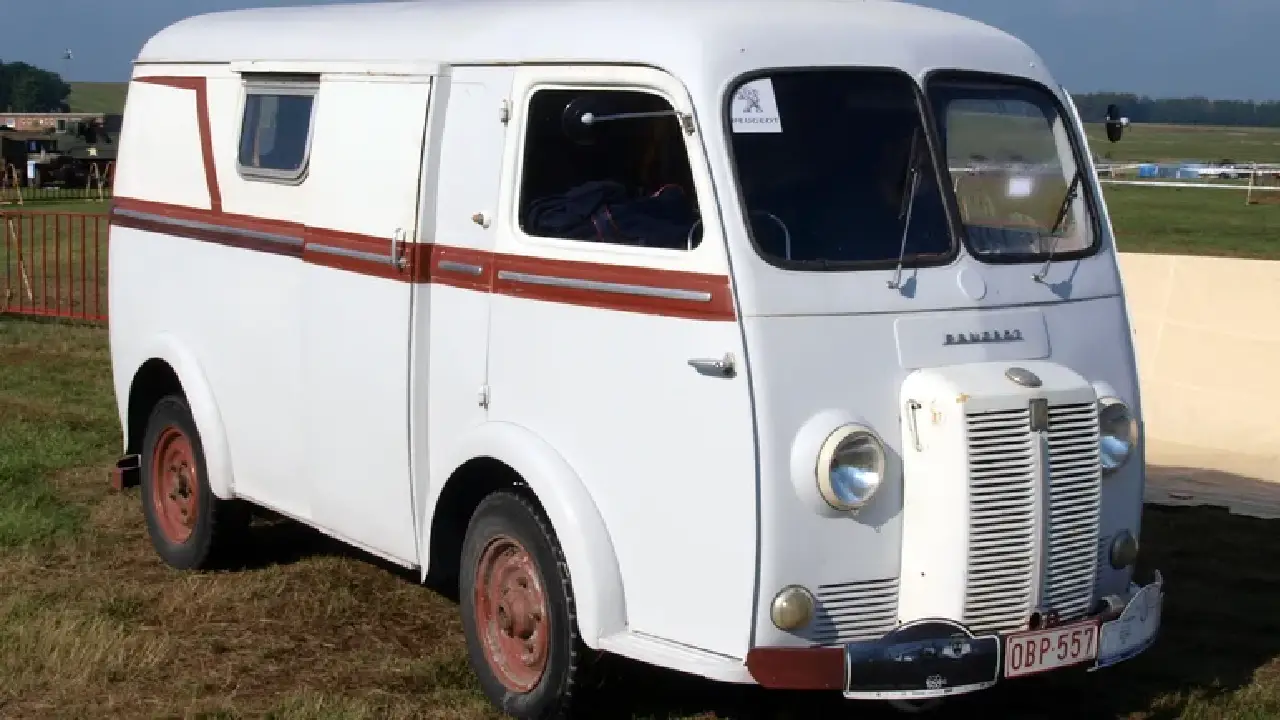
5. Peugeot D3 and D4 (1950–1965)
The Peugeot D3 and D4 are instantly recognizable because of their unusual front grille, which earned them the nickname “Pig Nose.” While the styling divided opinions, it gave the vans a personality unlike anything else on the road.
Originally developed from the Chenard-Walcker platform, these French vans became popular for transporting goods, food, and passengers. Their front-wheel-drive layout also helped maximize cargo space, making them practical commercial vehicles during the 1950s.
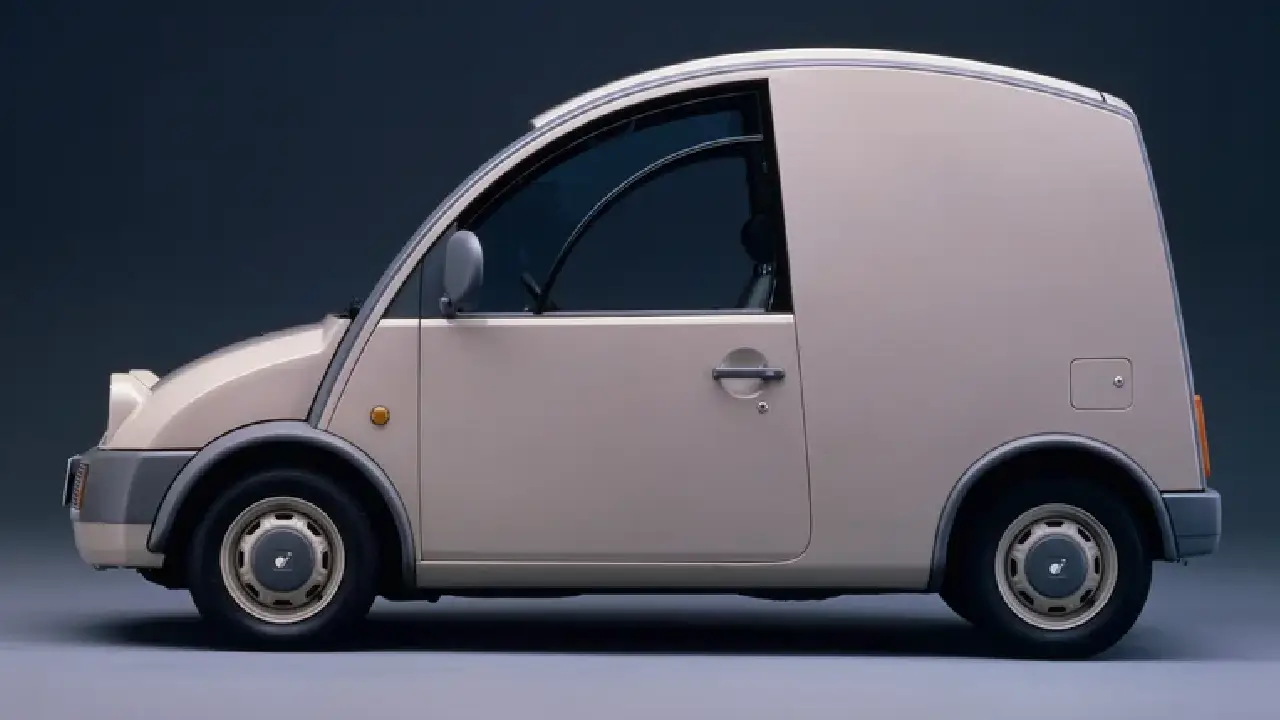
6. Nissan S-Cargo (1989–1991)
The Nissan S-Cargo is one of the most playful commercial vehicles ever designed. Inspired by the French word “escargot”, meaning snail, the van features rounded body panels, protruding headlights, and a curved roofline that closely resembles a snail carrying its shell.
Unlike conventional delivery vans, the S-Cargo was created with personality in mind. Its retro-inspired styling, compact dimensions, and large advertising panels made it popular with small businesses and urban delivery services. It even offered an optional canvas roof, adding a touch of uniqueness rarely seen in commercial vehicles.
| Feature | Details |
|---|---|
| Production | 1989–1991 |
| Engine | 1.5L Four-Cylinder |
| Power | 72 HP |
| Transmission | 3-Speed Automatic |
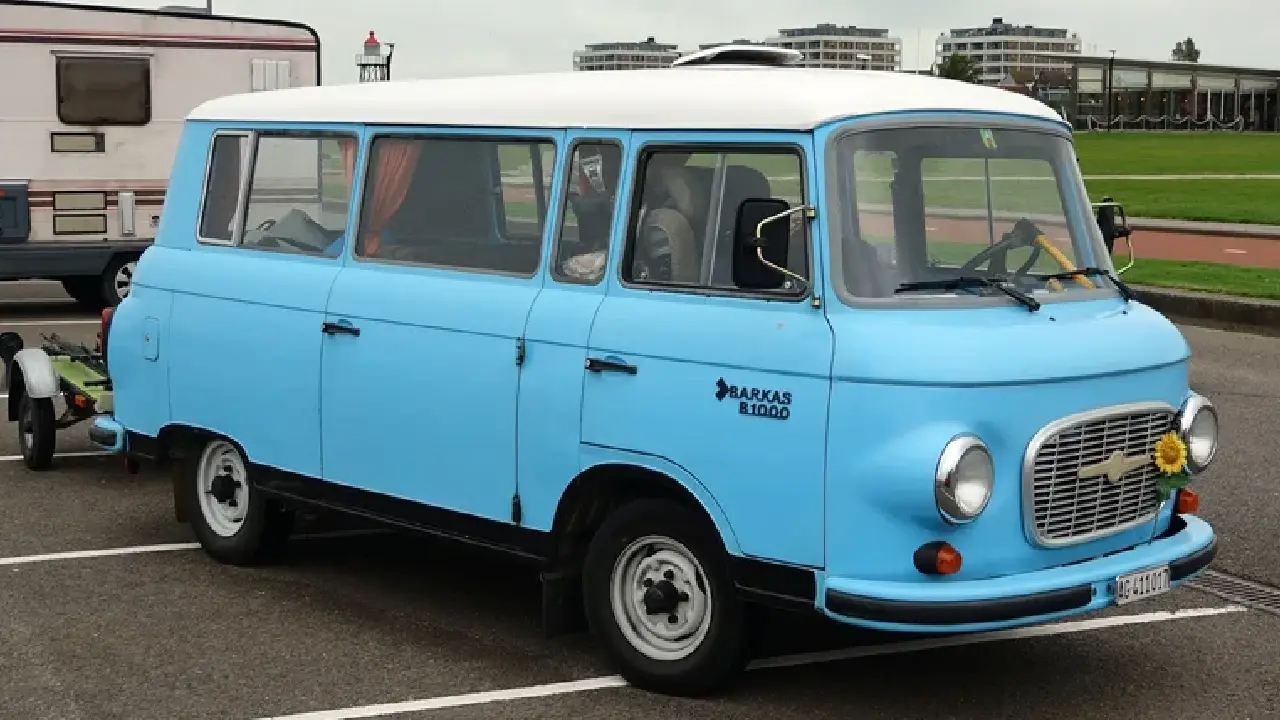
7. Barkas B1000 (1961–1991)
The Barkas B1000 became one of East Germany’s most recognizable commercial vehicles. Its high-mounted round headlights gave it an alert and expressive face, making it look like a curious cartoon character watching everything around it.
Beyond its appearance, the B1000 was admired for its practicality. Thanks to its front-wheel-drive layout, it offered a spacious cargo area and a low loading height. Over its long production run, the vehicle served as a delivery van, ambulance, police vehicle, minibus, and utility truck across Eastern Europe.
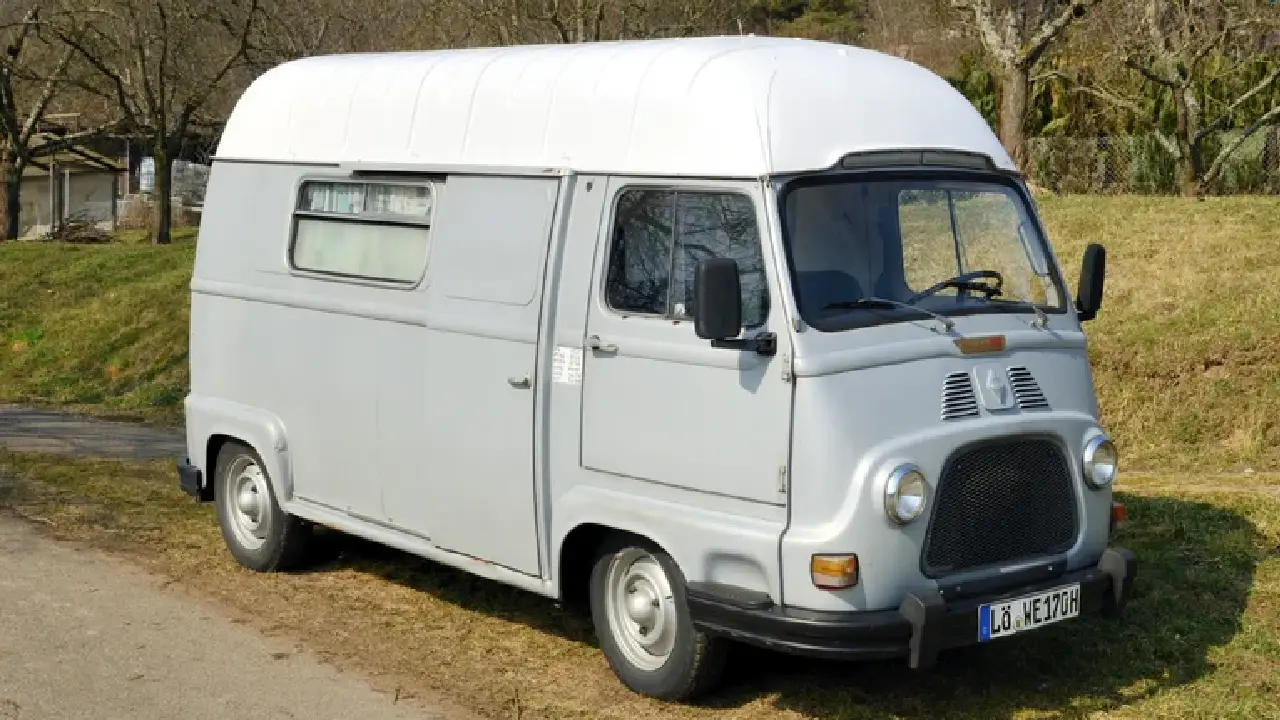
8. Renault Estafette (1959–1986)
The Renault Estafette played an important role in France’s commercial vehicle market for more than two decades. Its rounded headlights and slim front grille created a friendly appearance that remains instantly recognizable today.
Renault designed the Estafette with front-wheel drive, allowing for a completely flat cargo floor and impressive interior space. The van was offered in multiple body styles, including cargo van, pickup, camper, and passenger versions. Its versatility helped make it one of France’s best-known light commercial vehicles.
| Feature | Details |
|---|---|
| Production | 1959–1986 |
| Engine | 845cc–1.3L Petrol |
| Payload | Up to 600 kg |
| Drive Type | Front-Wheel Drive |
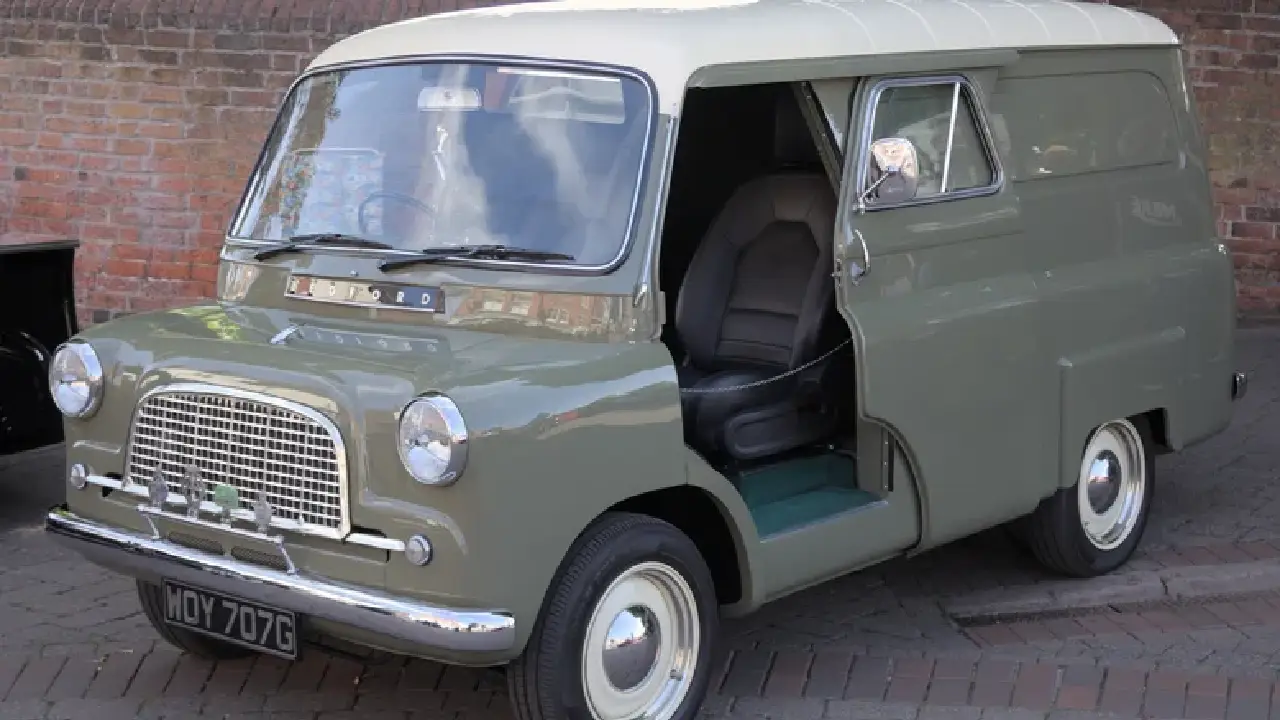
9. Bedford CA (1952–1969)
The Bedford CA became one of Britain’s most successful commercial vans during the post-war years. Its rounded bonnet, curved fenders, and expressive headlights gave it a charming appearance that stood apart from many of its competitors.
Produced by Bedford, the commercial vehicle division of Vauxhall, the CA was widely used as a delivery van, ambulance, police vehicle, and camper. Its dependable engineering and practical design made it a familiar sight across the United Kingdom throughout the 1950s and 1960s.
Why These Vintage Vans Still Fascinate Collectors
Although modern vans are faster, safer, and more efficient, many enthusiasts believe they lack the personality found in these classic models. Each of these vintage vehicles combined practical engineering with distinctive styling that continues to capture attention decades later.
Whether it is the cheerful face of the DKW Schnellaster, the snail-inspired Nissan S-Cargo, or the iconic Bedford CA, these vehicles prove that commercial vans can be both functional and unforgettable. Their innovative layouts, compact dimensions, and unique character have secured them a lasting place in automotive history.
FAQ
Q1. Which vintage van is considered the cutest?
Many enthusiasts consider the Nissan S-Cargo and Fiat 600 Multipla among the cutest vintage vans because of their playful and cartoon-like designs.
Q2. Which classic van introduced front-wheel drive early?
The DKW Schnellaster was one of the earliest mass-produced front-wheel-drive vans, influencing the design of many future commercial vehicles.
Q3. Are these vintage vans still available today?
Yes. Many of these classic vans survive in private collections, museums, and classic car events, although well-preserved examples are becoming increasingly rare.