Blog

  • Planning to Buy a Budget Hatchback? These 5 City Cars Offer Great Mileage and Value

    Planning to Buy a Budget Hatchback? These 5 City Cars Offer Great Mileage and Value

    Introduction: Looking for an affordable hatchback that’s easy to drive in city traffic? These five entry-level cars offer excellent fuel efficiency, compact dimensions, and practical features for everyday commuting.

    Best Entry-Level Hatchbacks for Daily City Commutes

    Hatchbacks have been a popular choice among Indian car buyers for decades, and for good reason. Their compact size, affordable pricing, and low running costs make them ideal for daily office commutes and crowded urban roads. While SUVs continue to dominate the market, entry-level hatchbacks remain the smartest option for buyers looking for a practical and budget-friendly car.

    If you’re planning to buy a new hatchback for city driving, here are five models that deserve your attention.
    Maruti Suzuki Alto
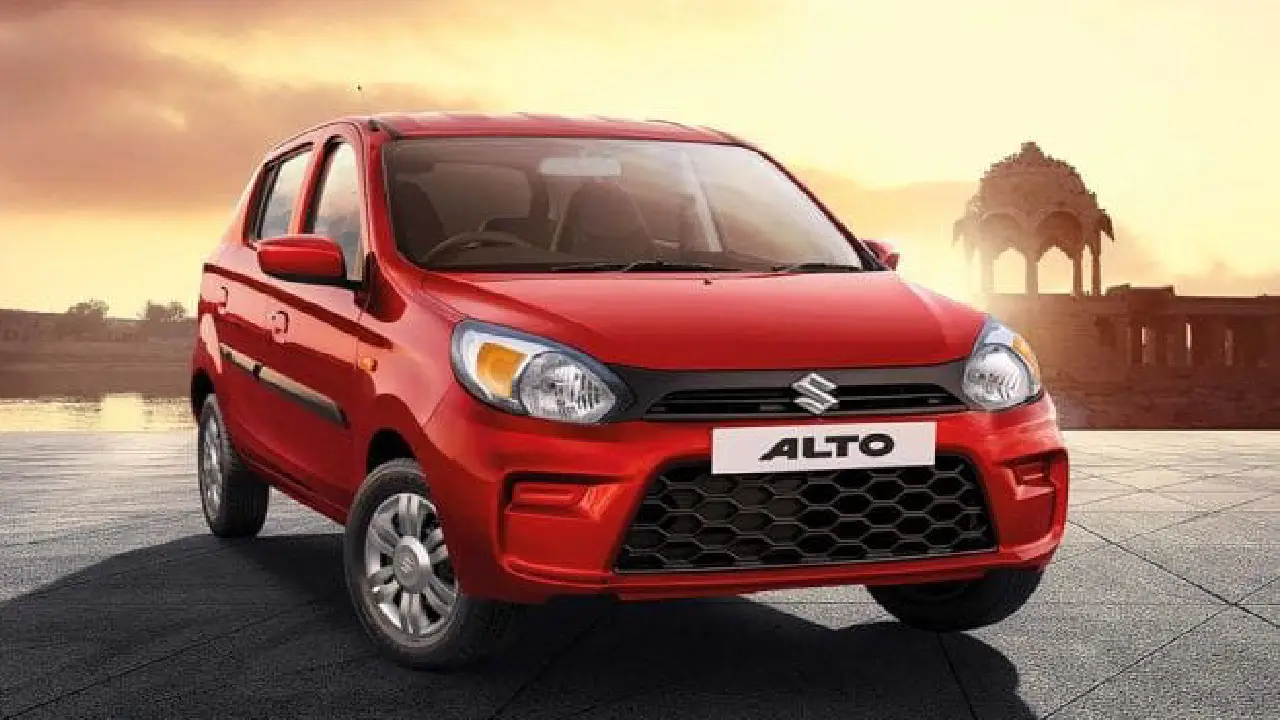
    Maruti Suzuki Alto

    Maruti Suzuki Alto K10

    The Maruti Suzuki Alto K10 continues to be one of India’s most trusted budget hatchbacks. Thanks to its compact footprint, the Alto easily navigates narrow streets and tight parking spaces, making it an excellent option for first-time buyers and daily commuters.

    Power comes from a 1.0-litre K10C three-cylinder petrol engine that produces 65.7 bhp and 89 Nm of torque. Buyers can choose between a five-speed manual gearbox and an AGS automatic transmission. With a starting price of ₹3.69 lakh (ex-showroom), the Alto K10 remains one of the most affordable new cars in India.
    Renault Kwid
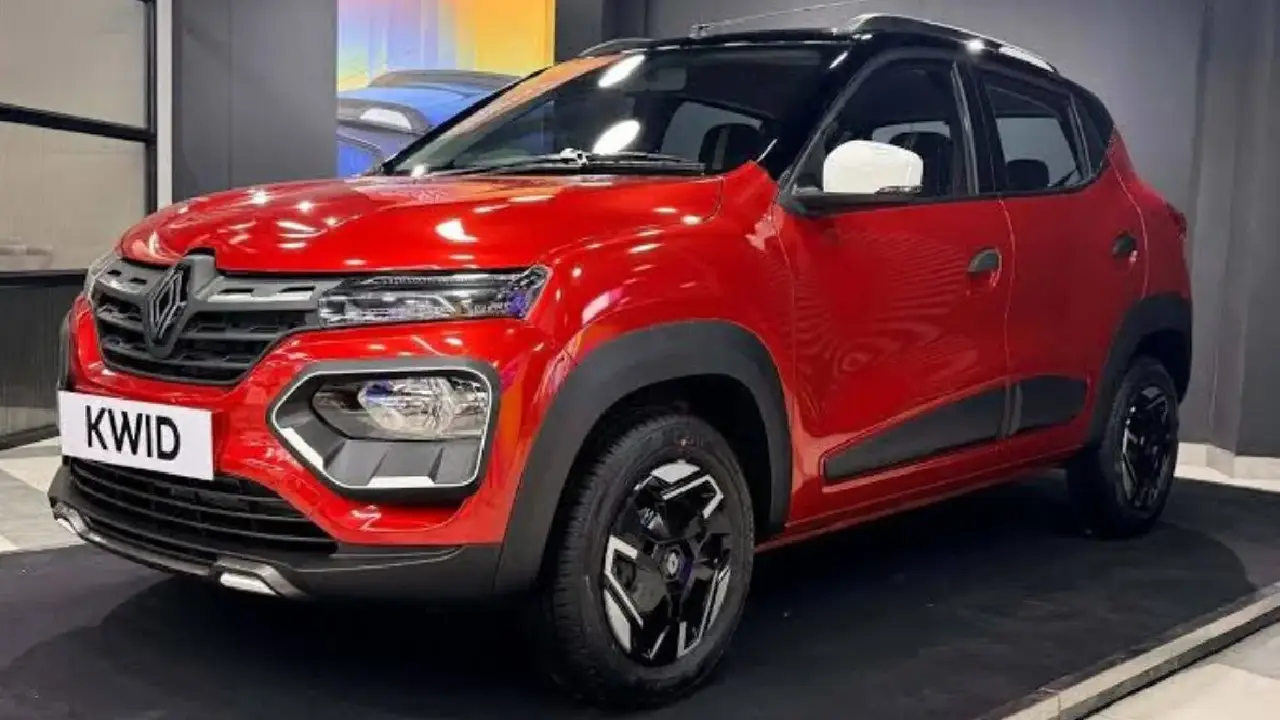
    Renault Kwid

    Renault Kwid

    The Renault Kwid offers SUV-inspired styling while maintaining the practicality of a hatchback. Renault recently simplified its lineup, making the buying process easier for customers.

    The hatchback is powered by a 1.0-litre three-cylinder petrol engine that delivers 68 bhp and 92.5 Nm of torque. It is available with either a five-speed manual transmission or a five-speed AMT. The Kwid starts at ₹4.53 lakh (ex-showroom), making it a value-for-money option in the segment.
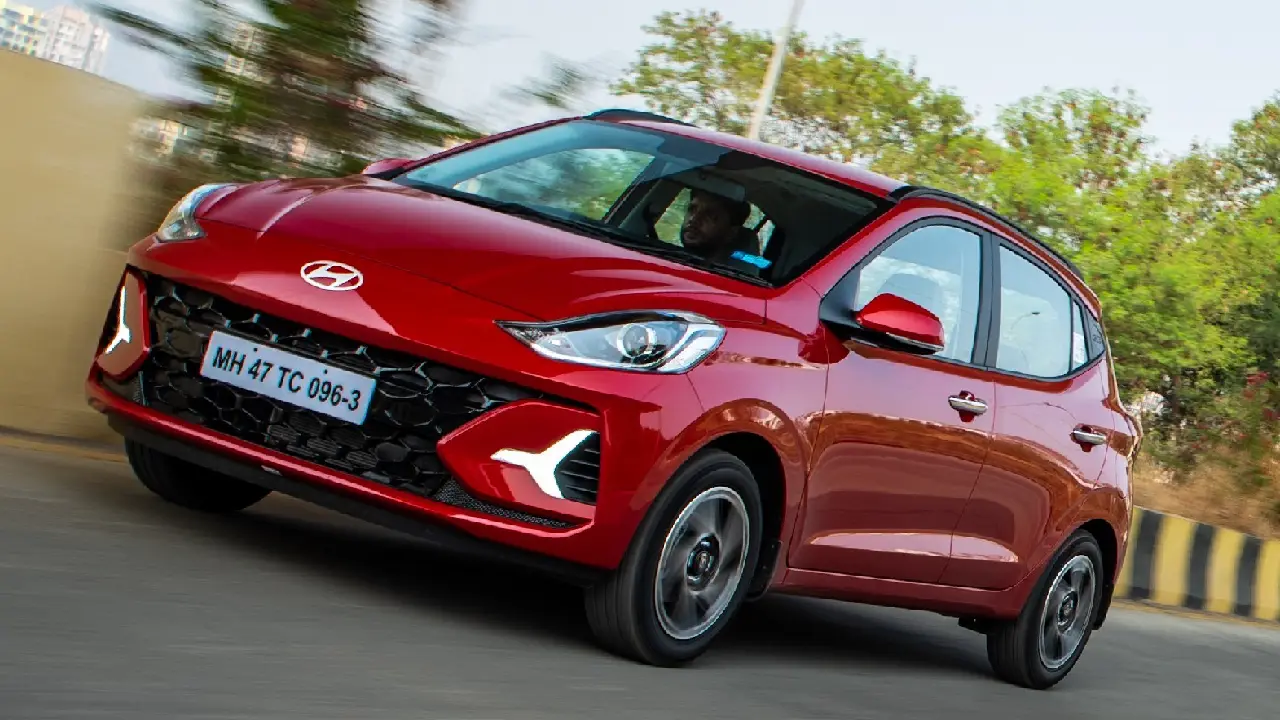
    Hyundai Grand i10 Nios
    Hyundai Grand i10 Nios

    Hyundai Grand i10 Nios

    The Hyundai Grand i10 Nios is known for offering premium features in the entry-level hatchback category. It combines a refined engine, comfortable cabin, and modern technology, making it suitable for both city driving and occasional highway trips.

    It is powered by a 1.2-litre Kappa petrol engine producing 81 bhp and 113.8 Nm of torque. Transmission choices include a five-speed manual and a five-speed AMT. The Grand i10 Nios is priced from ₹5.59 lakh (ex-showroom).

    Car Engine Power Starting Price
    Maruti Suzuki Alto K10 1.0L Petrol 65.7 bhp ₹3.69 lakh
    Renault Kwid 1.0L Petrol 68 bhp ₹4.53 lakh
    Hyundai Grand i10 Nios 1.2L Petrol 81 bhp ₹5.59 lakh
    Tata Tiago 1.2L Petrol 86 bhp ₹4.69 lakh
    Citroen C3 1.2L Petrol / Turbo Petrol 80–110 bhp ₹4.99 lakh
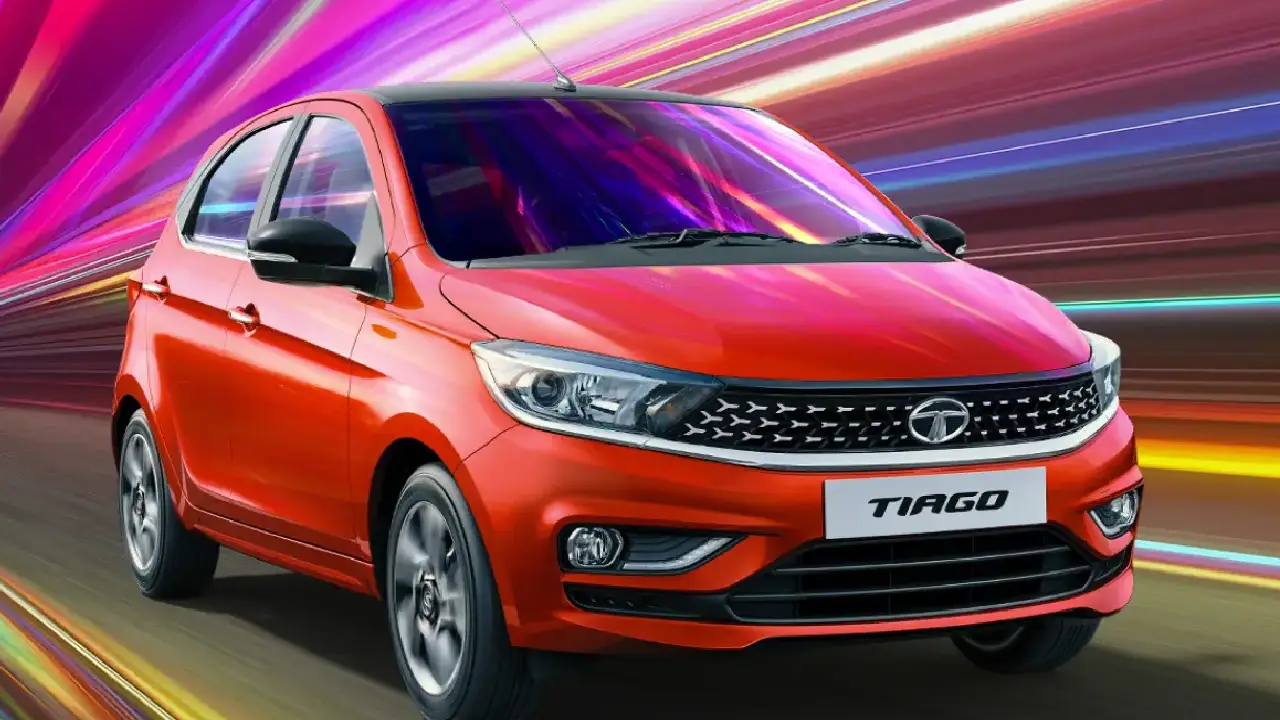
    Tata Tiago
    Tata Tiago

    Tata Tiago

    The Tata Tiago remains one of the safest and most feature-rich hatchbacks in its class. Following its recent update, the Tiago now offers improved styling and enhanced convenience features.

    It uses a 1.2-litre naturally aspirated petrol engine producing 86 bhp and 113 Nm of torque. Buyers can opt for either a five-speed manual or an AMT with paddle shifters. Starting at ₹4.69 lakh (ex-showroom), the Tiago is a strong choice for buyers who want value, safety, and practicality.
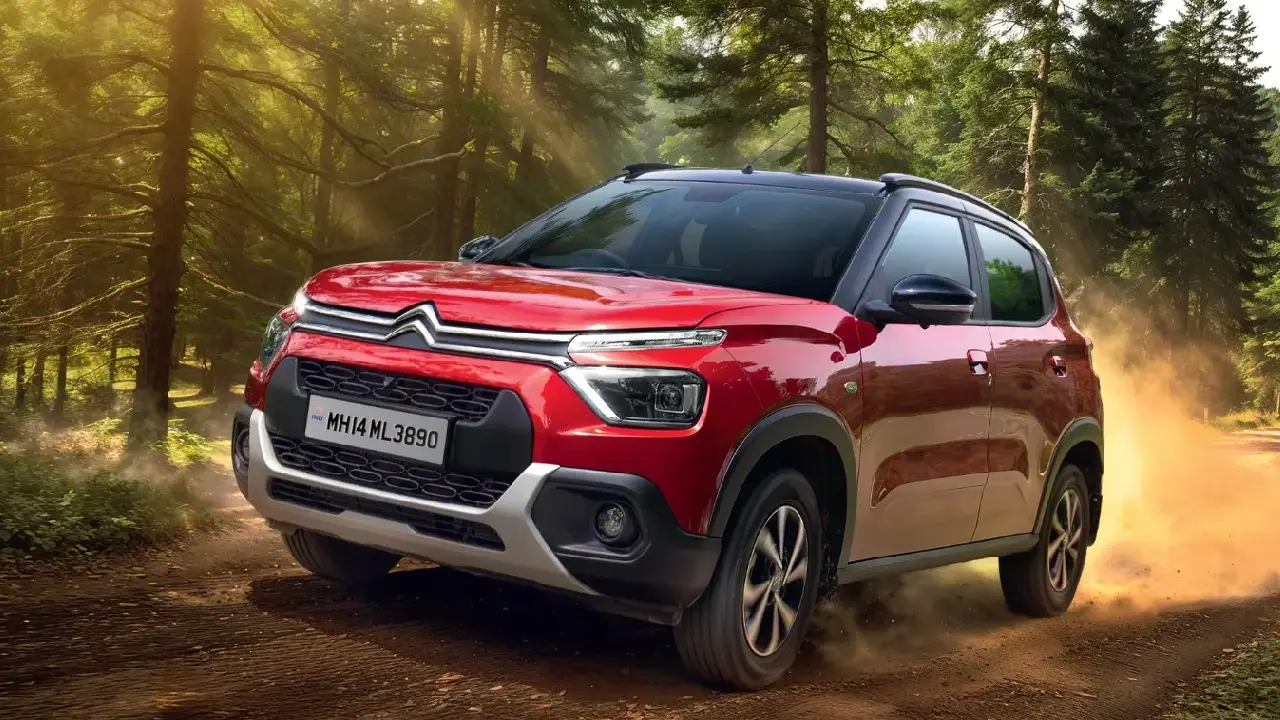
    Citroen C3X
    Citroen C3X

    Citroen C3

    The Citroen C3 is one of the most underrated hatchbacks in the Indian market. It stands out with its distinctive design, comfortable suspension, and engaging driving experience.

    Citroen offers two engine options: a 1.2-litre naturally aspirated petrol engine producing 80 bhp and a 1.2-litre turbo-petrol engine generating 110 bhp. Depending on the variant, buyers can choose a five-speed manual, six-speed manual, or six-speed automatic transmission. Prices start at ₹4.99 lakh (ex-showroom).

    Final Thoughts

    If your daily routine involves heavy traffic, narrow roads, and limited parking spaces, an entry-level hatchback remains one of the smartest purchases. Models like the Alto K10, Kwid, Grand i10 Nios, Tiago, and Citroen C3 offer excellent practicality, affordable ownership costs, and reliable performance, making them ideal companions for city driving.

    FAQ

    Q1. Which hatchback is the most affordable in India?
    The Maruti Suzuki Alto K10 is currently one of the most affordable hatchbacks, with prices starting at ₹3.69 lakh (ex-showroom).

    Q2. Which hatchback offers the most features?
    The Tata Tiago and Hyundai Grand i10 Nios offer some of the best feature packages in the entry-level hatchback segment.

    Q3. Which hatchback is best for city driving?
    All five models are suitable for urban use, but the Alto K10 and Renault Kwid stand out because of their compact dimensions and easy maneuverability.
  • Skoda Kodiaq RS Sold Out in Just 6 Minutes! 261 BHP Performance SUV Stuns Buyers

    Skoda Kodiaq RS Sold Out in Just 6 Minutes! 261 BHP Performance SUV Stuns Buyers

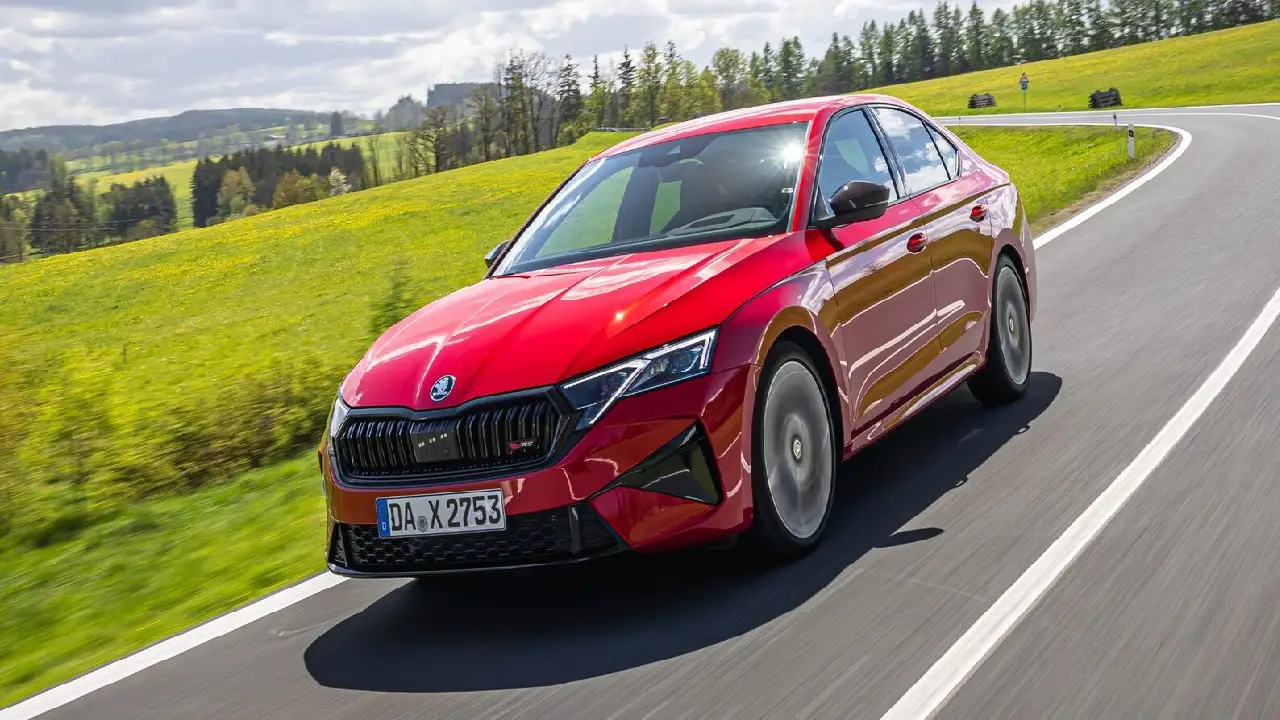
    Introduction: The Skoda Kodiaq RS has made a strong debut in India, with all 50 allocated units selling out in just six minutes. Here’s everything you need to know about Skoda’s new performance-focused 7-seater SUV.

    Skoda Kodiaq RS Engine and Performance

    The biggest highlight of the Skoda Kodiaq RS is its powerful 2.0-litre TSI turbo-petrol engine. It produces 261 bhp and 400 Nm of peak torque, making it the most powerful Skoda SUV currently available in India.

    The engine is paired with a 7-speed DSG automatic transmission that sends power to all four wheels through Skoda’s advanced all-wheel-drive system. As a result, the SUV accelerates from 0 to 100 km/h in just 6.3 seconds and reaches a top speed of 231 km/h. Therefore, it is officially the fastest Skoda model on sale in the Indian market.

    Feature Details
    Engine 2.0-litre TSI Turbo Petrol
    Power 261 bhp
    Torque 400 Nm
    Transmission 7-Speed DSG Automatic
    Drive Type All-Wheel Drive (AWD)
    0-100 km/h 6.3 Seconds
    Top Speed 231 km/h

    Skoda Kodiaq RS AWD System and Driving Technology

    The Kodiaq RS features an intelligent AWD system with an electro-hydraulically controlled multi-plate clutch. The system continuously monitors road conditions and automatically distributes power between the front and rear wheels for improved grip and stability.

    Moreover, Skoda has equipped the SUV with Dynamic Chassis Control Plus and Progressive Steering. These technologies improve cornering stability, steering response, and ride comfort. Drivers can also choose from multiple driving modes, including Eco, Comfort, Normal, Sport, Individual, Snow, and Off-Road.

    Sporty Exterior with Exclusive RS Styling

    The Kodiaq RS stands out with several exclusive design elements. The SUV receives a glossy black grille surround, black ORVMs, roof rails, window trims, and blacked-out Skoda lettering that reinforce its sporty identity.

    Meanwhile, the front grille features an integrated LED light strip, while the aggressive front bumper and 20-inch Elias alloy wheels add to its premium appearance. At the rear, buyers get polished stainless-steel exhaust tips, a full-width reflector, and body-coloured bumpers.

    Customers can choose from four exterior colours: Moon White, Magic Black, Velvet Red, and Steel Grey.

    Skoda Kodiaq RS Price and Booking Response

    Skoda launched the Kodiaq RS in India at an introductory price of ₹66.99 lakh (ex-showroom). The company initially allocated only 50 units for the Indian market.

    However, customer demand exceeded expectations, as the complete allocation sold out within just six minutes of bookings opening. The impressive response highlights the growing interest in premium performance SUVs among Indian buyers.

    RS Badge Enters the Premium SUV Segment

    With the Kodiaq RS, Skoda has introduced its iconic RS performance badge to a 7-seater SUV in India for the first time. The launch also celebrates two important milestones—more than 50 years of the RS badge and 125 years of Skoda’s motorsport heritage.

    Additionally, the company has introduced its new “Surrender” campaign, highlighting the SUV’s combination of performance, luxury, off-road capability, and racing-inspired engineering.

    FAQ

    Q1. What is the price of the Skoda Kodiaq RS in India?
    The Skoda Kodiaq RS is priced at ₹66.99 lakh (ex-showroom).

    Q2. How powerful is the Skoda Kodiaq RS?
    It is powered by a 2.0-litre TSI turbo-petrol engine producing 261 bhp and 400 Nm of torque.

    Q3. Is the Skoda Kodiaq RS an all-wheel-drive SUV?
    Yes. The SUV comes with an advanced AWD system and multiple drive modes for improved performance across different road conditions.

  • 9 Vintage Vans That Look Like Cartoon Characters – These Classic Vans Will Make You Smile!

    9 Vintage Vans That Look Like Cartoon Characters – These Classic Vans Will Make You Smile!

    Introduction: Modern vans focus on practicality, but classic models had something today’s vehicles often lack—personality. With quirky faces, unique styling, and clever engineering, these vintage vans looked like they belonged in an animated movie rather than on public roads. Here are some of the most charming vans ever built.

    Vintage Vans That Look Like Cartoon Characters

    Today’s vans are designed with efficiency, safety, and aerodynamics in mind. While they perform better than ever, many of them have lost the playful styling that made older commercial vehicles so memorable. Decades ago, several manufacturers built vans with expressive front ends, rounded bodies, and distinctive designs that gave each model its own personality.

    From smiling headlights to quirky proportions, these classic vans continue to attract collectors and automotive enthusiasts around the world. Beyond their unusual appearance, many of them introduced innovative engineering concepts that later became common across the automotive industry.

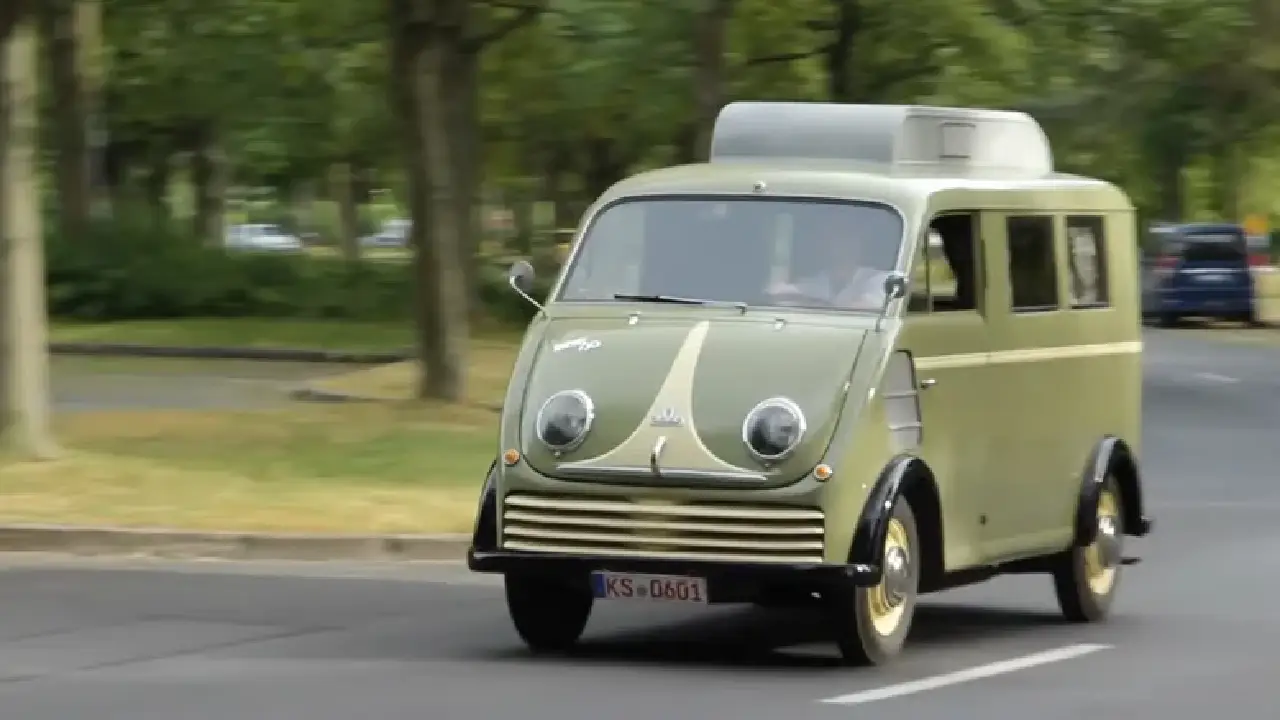
    DKW Schnellaster
    DKW Schnellaster

    1. DKW Schnellaster (1949–1962)

    The DKW Schnellaster is often remembered as one of the friendliest-looking vans ever produced. Its large round headlights and compact body create an almost cheerful expression that still stands out today.

    Introduced shortly after World War II, the Schnellaster was far ahead of its time. It featured a front-engine, front-wheel-drive layout and a one-box design that maximized interior space while providing a flat cargo floor. These ideas would later become standard for modern vans and MPVs.

    Feature Details
    Production 1949–1962
    Engine 700cc–900cc Two-Stroke
    Power 20–32 HP
    Drive Type Front-Wheel Drive
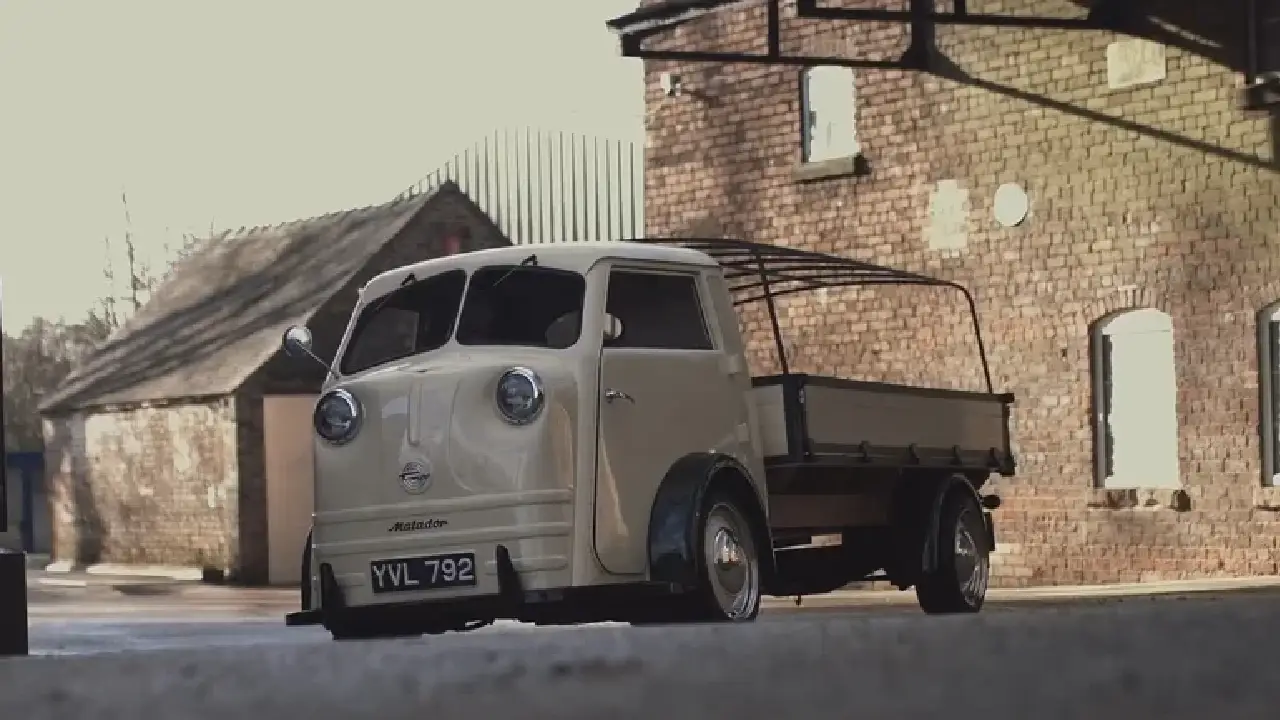
    Tempo Matador
    Tempo Matador

    2. Tempo Matador (1949–1951)

    The Tempo Matador carries a completely different personality. Its closely placed headlights and curved front fascia give it a thoughtful, almost sad expression, making it one of the most distinctive commercial vehicles of its era.

    Built in Germany, the Matador initially used a Volkswagen air-cooled engine before switching to a different powertrain after production changes. Although its first production run lasted only a short period, the Matador remains one of the rarest and most recognizable vintage vans today.

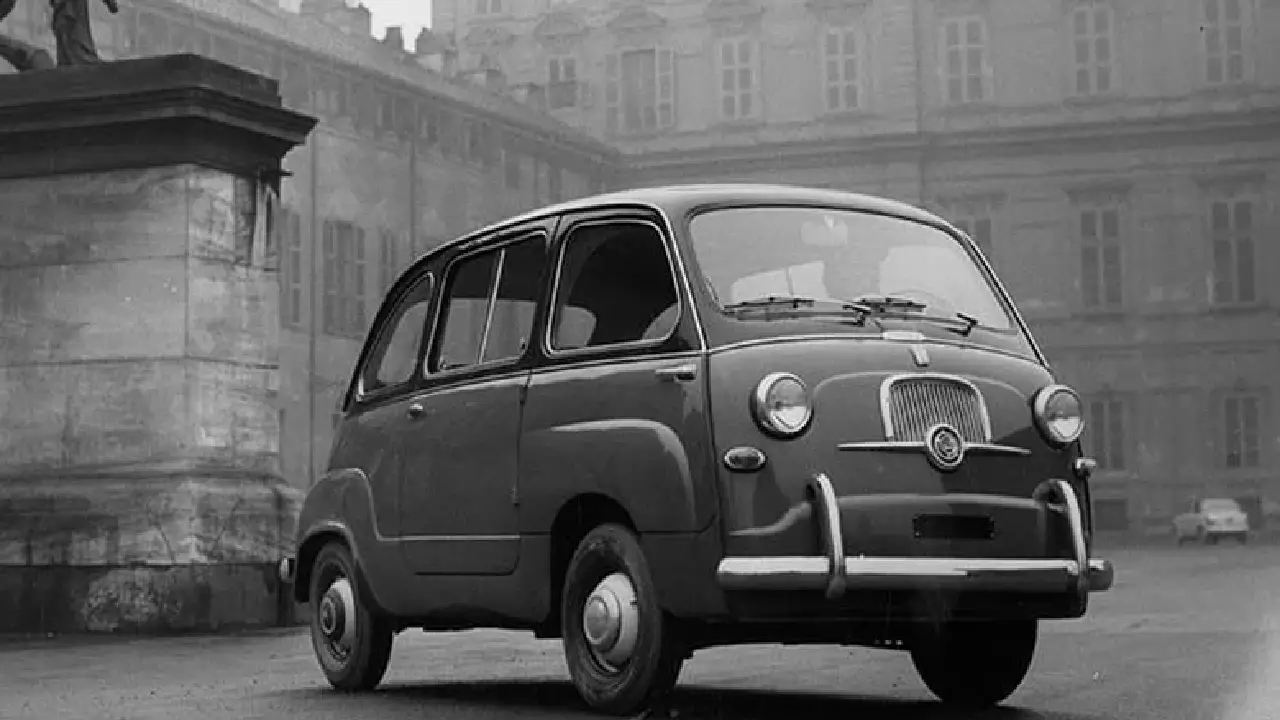
    Fiat 600 Multipla
    Fiat 600 Multipla

    3. Fiat 600 Multipla (1956–1967)

    The Fiat 600 Multipla proved that a compact vehicle could still be incredibly practical. Despite its tiny footprint, the van could comfortably seat six passengers thanks to its clever interior layout.

    Powered by a small rear-mounted engine, the Multipla became popular as a taxi and family vehicle across Europe. Its rounded design and compact dimensions continue to make it one of the cutest classic vans ever built.

    Feature Details
    Production 1956–1967
    Engine 633cc Four-Cylinder
    Power 21.5 HP
    Seating Up to 6 People
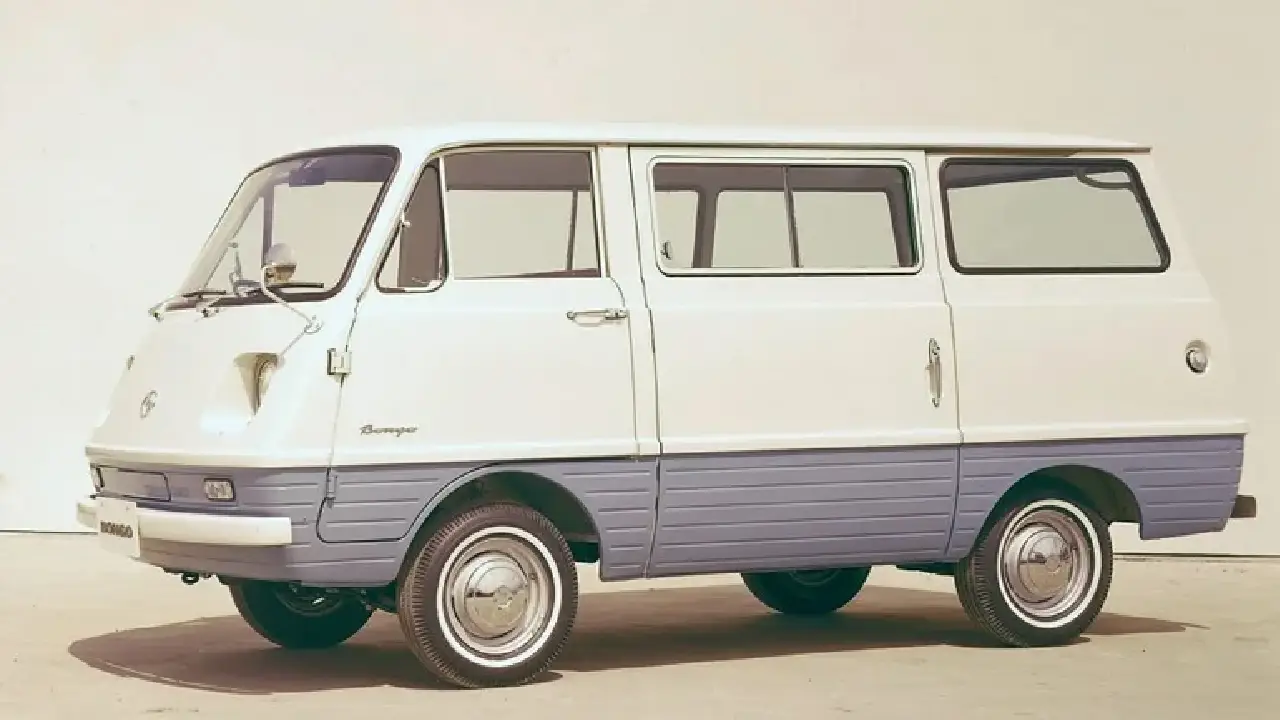
    Mazda Bongo Gen 1
    Mazda Bongo Gen 1

    4. Mazda Bongo (First Generation)

    When Mazda launched the first-generation Bongo in 1966, it combined practicality with a charming design that immediately stood out. Its flat nose, rounded headlights, and two-tone paint options gave it a friendly appearance.

    The Bongo also introduced several practical features, including a low loading height and spacious passenger cabin. Independent suspension on both axles improved ride comfort, making it one of the most advanced compact vans of its time.

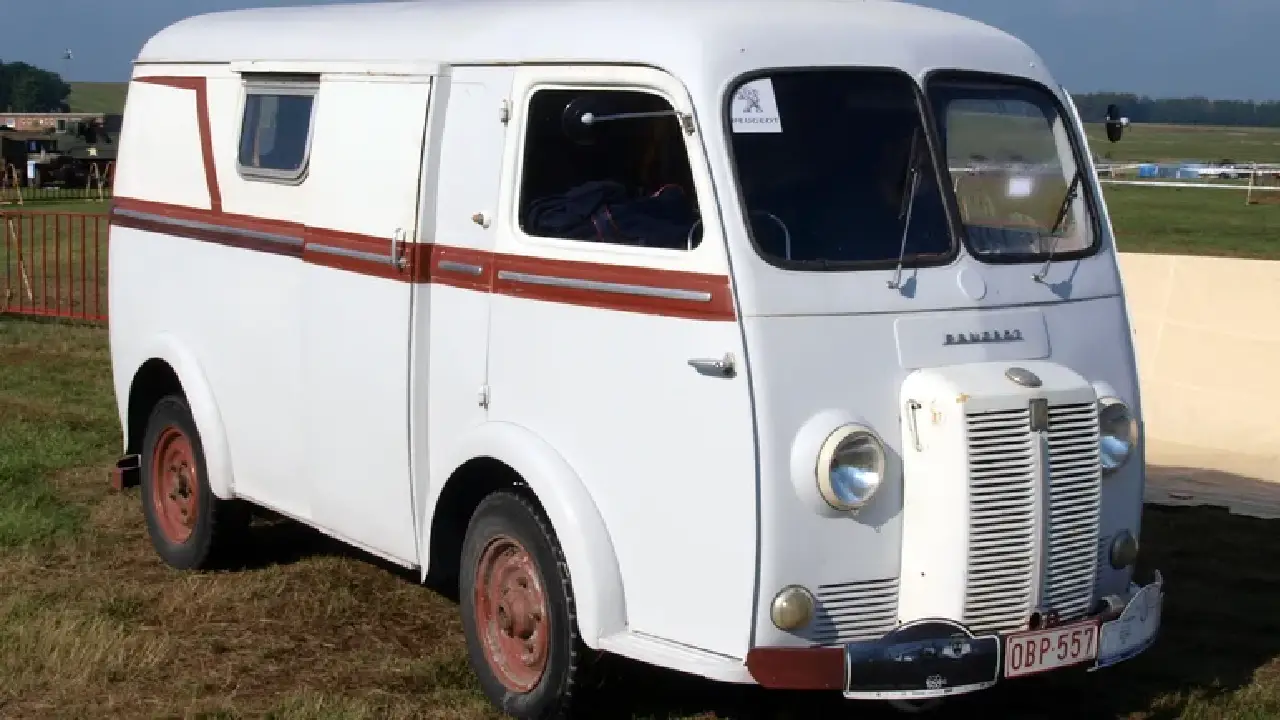
    Peugeot D3_D4
    Peugeot D3_D4

    5. Peugeot D3 and D4 (1950–1965)

    The Peugeot D3 and D4 are instantly recognizable because of their unusual front grille, which earned them the nickname “Pig Nose.” While the styling divided opinions, it gave the vans a personality unlike anything else on the road.

    Originally developed from the Chenard-Walcker platform, these French vans became popular for transporting goods, food, and passengers. Their front-wheel-drive layout also helped maximize cargo space, making them practical commercial vehicles during the 1950s.

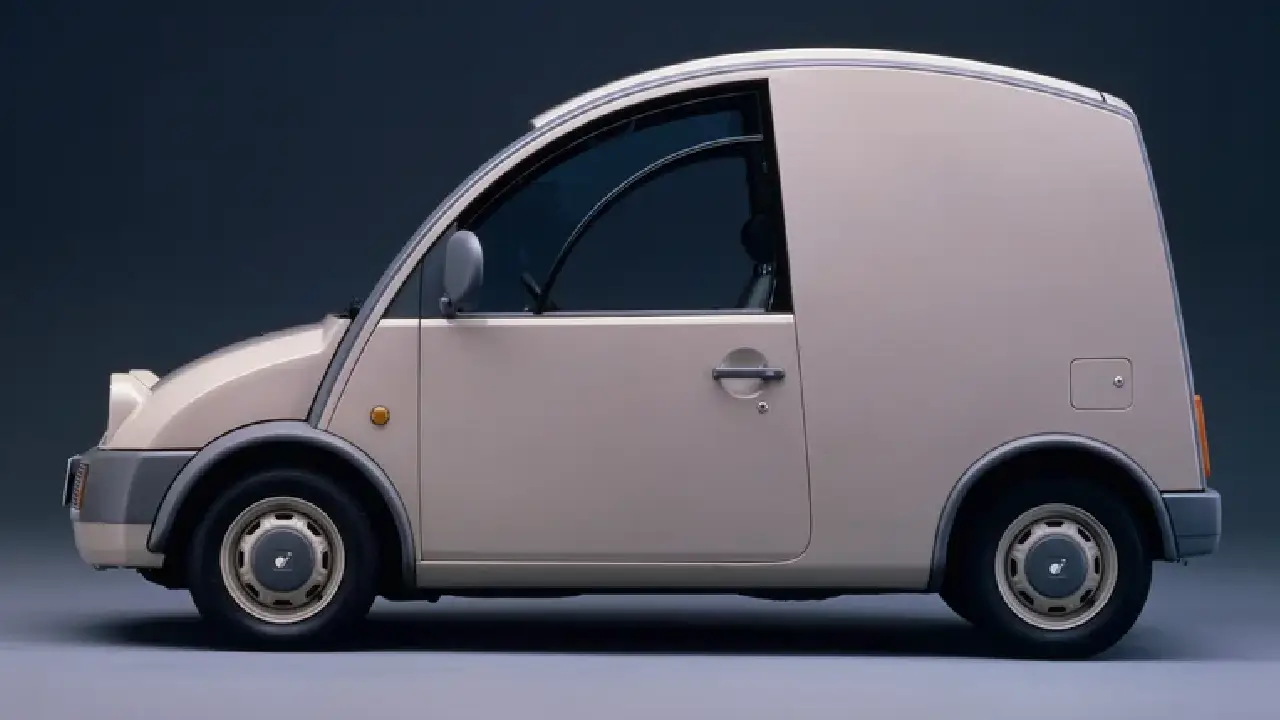
    Nissan S-Cargo
    Nissan S-Cargo

    6. Nissan S-Cargo (1989–1991)

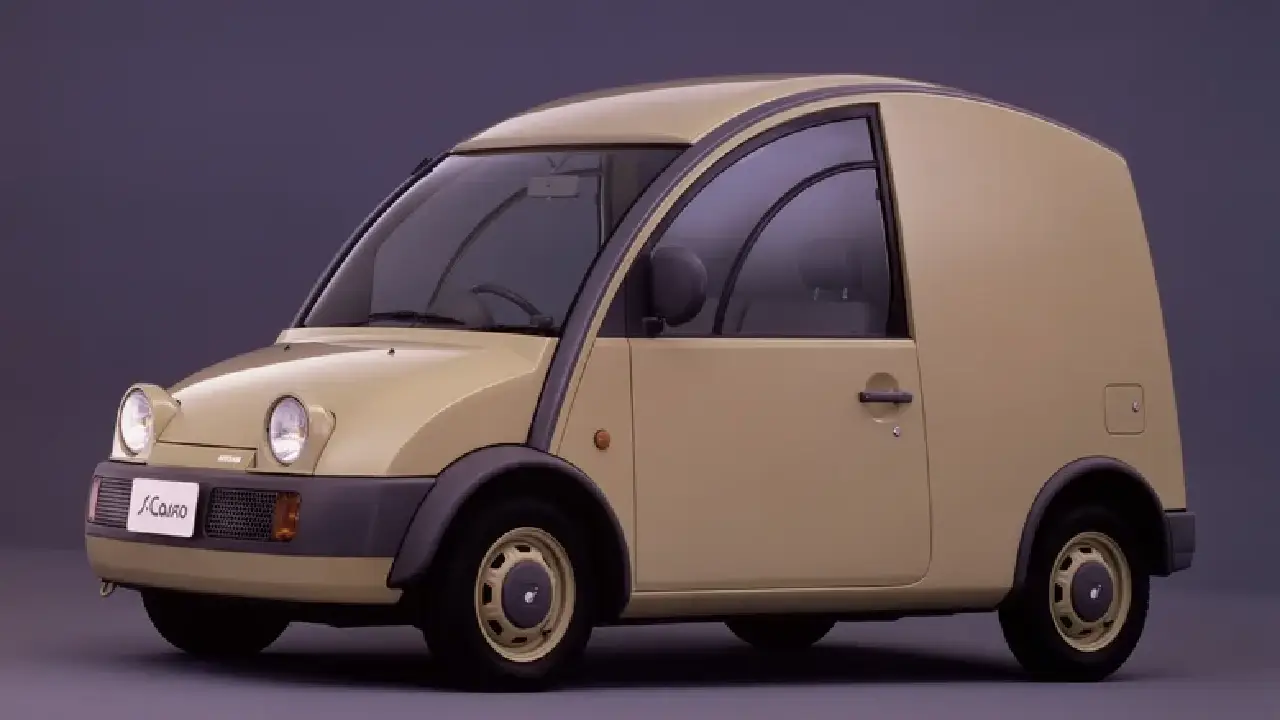
    The Nissan S-Cargo is one of the most playful commercial vehicles ever designed. Inspired by the French word “escargot”, meaning snail, the van features rounded body panels, protruding headlights, and a curved roofline that closely resembles a snail carrying its shell.

    Unlike conventional delivery vans, the S-Cargo was created with personality in mind. Its retro-inspired styling, compact dimensions, and large advertising panels made it popular with small businesses and urban delivery services. It even offered an optional canvas roof, adding a touch of uniqueness rarely seen in commercial vehicles.

    Feature Details
    Production 1989–1991
    Engine 1.5L Four-Cylinder
    Power 72 HP
    Transmission 3-Speed Automatic
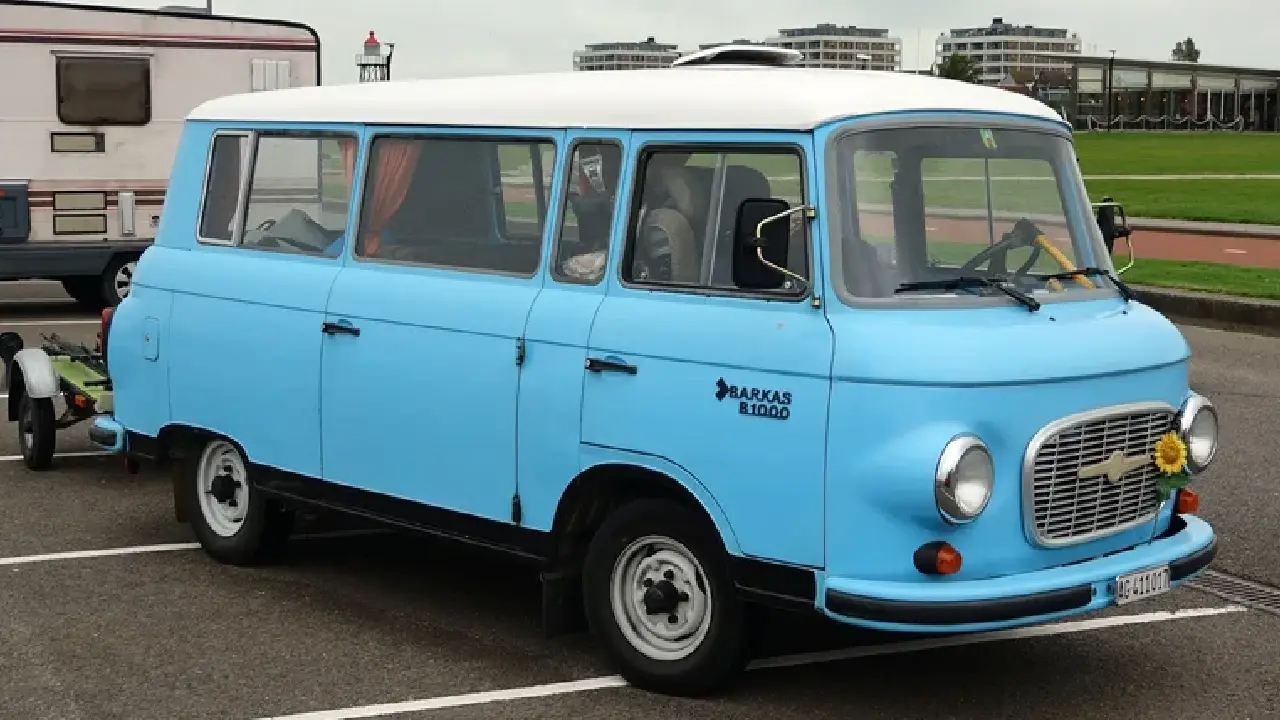
    Barkas B 1000
    Barkas B 1000

    7. Barkas B1000 (1961–1991)

    The Barkas B1000 became one of East Germany’s most recognizable commercial vehicles. Its high-mounted round headlights gave it an alert and expressive face, making it look like a curious cartoon character watching everything around it.

    Beyond its appearance, the B1000 was admired for its practicality. Thanks to its front-wheel-drive layout, it offered a spacious cargo area and a low loading height. Over its long production run, the vehicle served as a delivery van, ambulance, police vehicle, minibus, and utility truck across Eastern Europe.

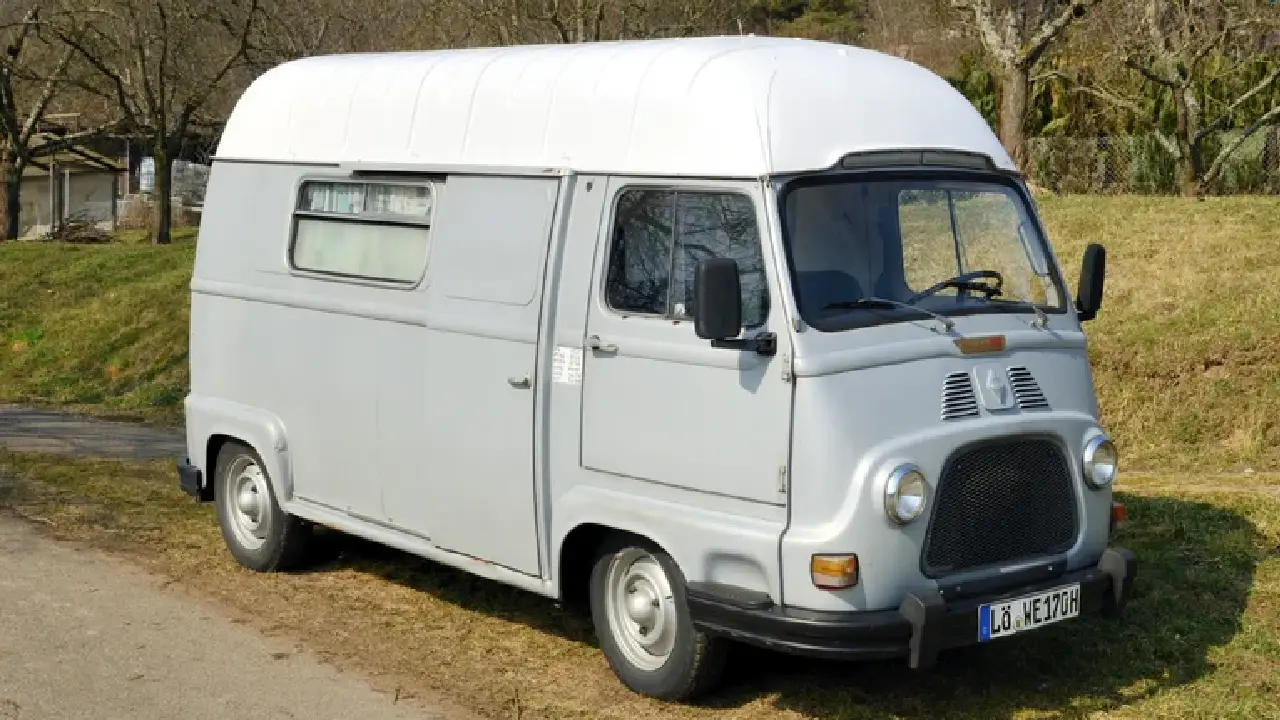
    Renault Estafette
    Renault Estafette

    8. Renault Estafette (1959–1986)

    The Renault Estafette played an important role in France’s commercial vehicle market for more than two decades. Its rounded headlights and slim front grille created a friendly appearance that remains instantly recognizable today.

    Renault designed the Estafette with front-wheel drive, allowing for a completely flat cargo floor and impressive interior space. The van was offered in multiple body styles, including cargo van, pickup, camper, and passenger versions. Its versatility helped make it one of France’s best-known light commercial vehicles.

    Feature Details
    Production 1959–1986
    Engine 845cc–1.3L Petrol
    Payload Up to 600 kg
    Drive Type Front-Wheel Drive
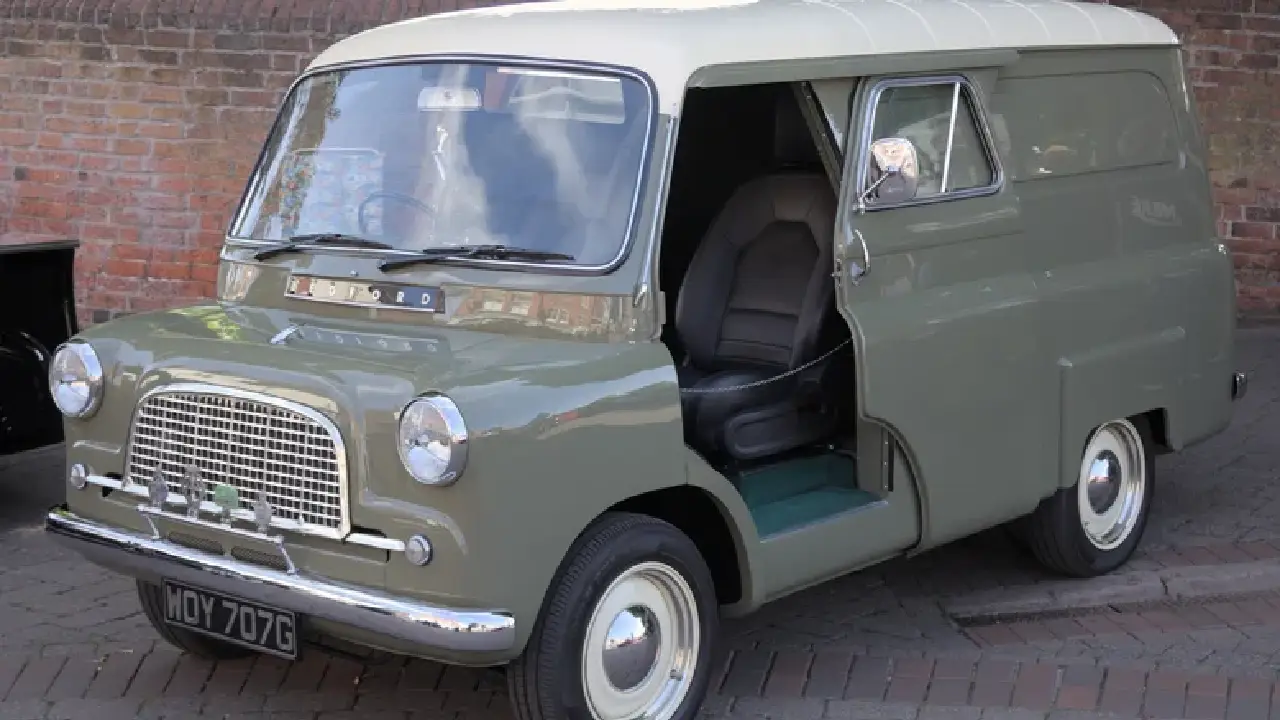
    Bedford CA
    Bedford CA

    9. Bedford CA (1952–1969)

    The Bedford CA became one of Britain’s most successful commercial vans during the post-war years. Its rounded bonnet, curved fenders, and expressive headlights gave it a charming appearance that stood apart from many of its competitors.

    Produced by Bedford, the commercial vehicle division of Vauxhall, the CA was widely used as a delivery van, ambulance, police vehicle, and camper. Its dependable engineering and practical design made it a familiar sight across the United Kingdom throughout the 1950s and 1960s.

    Why These Vintage Vans Still Fascinate Collectors

    Although modern vans are faster, safer, and more efficient, many enthusiasts believe they lack the personality found in these classic models. Each of these vintage vehicles combined practical engineering with distinctive styling that continues to capture attention decades later.

    Whether it is the cheerful face of the DKW Schnellaster, the snail-inspired Nissan S-Cargo, or the iconic Bedford CA, these vehicles prove that commercial vans can be both functional and unforgettable. Their innovative layouts, compact dimensions, and unique character have secured them a lasting place in automotive history.

    FAQ

    Q1. Which vintage van is considered the cutest?
    Many enthusiasts consider the Nissan S-Cargo and Fiat 600 Multipla among the cutest vintage vans because of their playful and cartoon-like designs.

    Q2. Which classic van introduced front-wheel drive early?
    The DKW Schnellaster was one of the earliest mass-produced front-wheel-drive vans, influencing the design of many future commercial vehicles.

    Q3. Are these vintage vans still available today?
    Yes. Many of these classic vans survive in private collections, museums, and classic car events, although well-preserved examples are becoming increasingly rare.

  • iPhone 18 Pro Price Could Jump by $200! Here’s Why Millions May Still Upgrade

    iPhone 18 Pro Price Could Jump by $200! Here’s Why Millions May Still Upgrade

    Introduction: Apple’s upcoming iPhone 18 Pro could arrive with a higher price tag, but the company appears to have a strategy to keep demand strong. From AI-powered features to its tightly connected ecosystem, Apple may have several reasons to believe customers will continue upgrading.

    Apple May Increase iPhone 18 Pro Price in 2026

    Apple is expected to unveil the iPhone 18 Pro in September 2026, and early reports suggest the flagship smartphone could become more expensive than its predecessor. Rising component costs, particularly for memory and storage, are putting pressure on smartphone manufacturers worldwide. Analysts believe these factors could push the retail price of the iPhone 18 Pro up by as much as $200.

    Even with a possible price increase, Apple is unlikely to lose its premium customer base. The company has built an ecosystem that encourages users to stay within its platform, making upgrades more appealing than switching to another brand.

    Apple Intelligence Could Drive a New Upgrade Cycle

    One of the biggest reasons behind the expected demand for the iPhone 18 Pro is Apple’s next generation of artificial intelligence features. The company is preparing to expand Apple Intelligence with iOS 27, bringing a smarter Siri and more advanced on-device AI capabilities.

    However, these AI features are expected to require more powerful hardware. Reports indicate that devices with at least 12GB RAM will be needed to run the complete Apple Intelligence experience. This means many older iPhones may not support every new feature, encouraging existing users to upgrade.

    Apple first introduced its AI vision during WWDC 2024, and many users have been waiting for these features to become fully available. The iPhone 18 Pro could finally deliver the experience that Apple has been promising.

    Why Apple’s Ecosystem Keeps Users Loyal

    Apple’s ecosystem continues to be one of its biggest strengths. Millions of users rely on services like iCloud, AirDrop, FaceTime, iMessage, Apple Watch integration, and seamless syncing across multiple Apple devices.

    Moving from an iPhone to another platform is possible, but it often requires transferring years of photos, contacts, purchased apps, backups, and personal files. Many users also own multiple Apple devices that work together smoothly, making it difficult to leave the ecosystem.

    This strong integration creates a convenient experience that many customers value more than simply comparing hardware specifications.

    Higher Prices May Not Slow Sales

    Despite concerns over rising smartphone prices, Apple has consistently maintained strong demand for its premium devices. Industry experts believe customers looking for the latest AI features, faster performance, and longer software support may still choose to upgrade.

    Apple’s loyal customer base, combined with exclusive software features and long-term ecosystem benefits, could help the company absorb rising manufacturing costs without significantly affecting sales.

    What Buyers Can Expect

    While Apple has not officially confirmed pricing or specifications for the iPhone 18 Pro, expectations remain high ahead of its launch. If reports prove accurate, buyers can expect improved AI performance, enhanced Siri capabilities, upgraded hardware, and deeper integration with Apple’s ecosystem.

    Although the final pricing may be higher than previous models, the combination of premium hardware and exclusive software features could make the iPhone 18 Pro one of the most anticipated smartphone launches of 2026.

    Feature Expected Details
    Launch Timeline September 2026 (Expected)
    Expected Price Increase Up to $200
    AI Platform Apple Intelligence
    RAM Requirement 12GB (Expected)
    Software iOS 27

    FAQ

    Q1. Why is the iPhone 18 Pro expected to cost more?
    Rising memory and storage component costs are expected to increase production expenses, which could result in a higher retail price.

    Q2. Will older iPhones support Apple Intelligence?
    Some AI features may require newer hardware with higher RAM, so older iPhone models may not support the full Apple Intelligence experience.

    Q3. Why do many users continue upgrading to iPhones?
    Apple’s ecosystem, software support, AI features, and seamless integration across devices encourage many users to remain within the Apple platform.

    Apple’s iPhone 18 Pro could launch with a price increase of up to $200. Discover how Apple Intelligence, Siri AI, iCloud integration, and the Apple ecosystem may continue driving upgrades despite rising costs.


  • Hello world!

    Welcome to WordPress. This is your first post. Edit or delete it, then start writing!