Category: Auto

  • Buying an Electric Car? Government’s Big 2029 Decision Could Help Keep EV Prices Low

    Buying an Electric Car? Government’s Big 2029 Decision Could Help Keep EV Prices Low

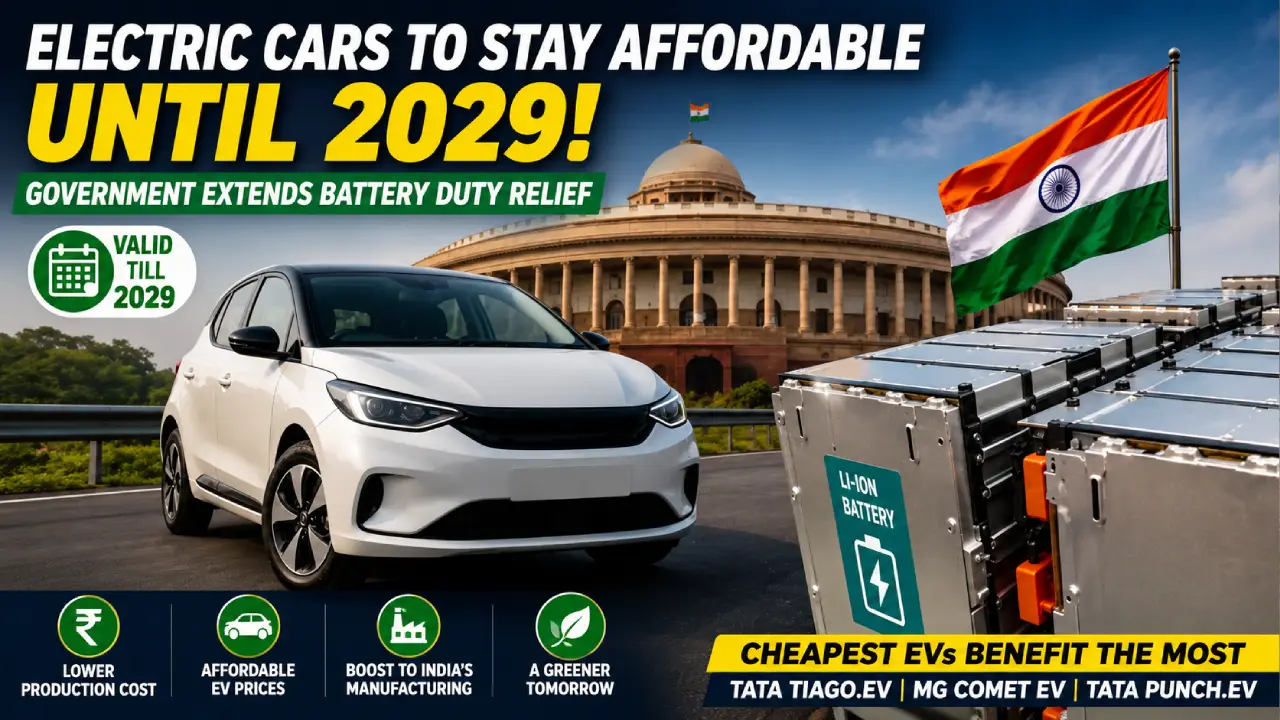
    Introduction: Planning to buy an electric car under ₹10 lakh? The Government of India has extended the customs duty exemption on lithium-ion battery manufacturing machinery until 2029, a move that could help keep EV prices stable for years.

    Buying an electric car could become a smarter financial decision over the next few years. The Government of India has extended the customs duty exemption on machinery used for manufacturing lithium-ion batteries until 2029. This policy aims to strengthen domestic battery production, reduce manufacturing costs and support the country’s fast-growing electric vehicle industry.

    For buyers, the biggest takeaway is simple. If battery production costs remain under control, automakers will have more flexibility to maintain competitive pricing instead of passing rising manufacturing expenses on to customers. As a result, affordable electric cars are expected to remain within reach for a larger section of Indian buyers.

    Government Extends Battery Duty Relief Until 2029

    The latest policy extension provides long-term confidence to manufacturers investing in battery production facilities in India. By continuing customs duty exemptions on lithium-ion battery manufacturing equipment, the government wants to encourage local manufacturing while reducing dependence on imported battery components.

    Moreover, this decision aligns with India’s broader goal of becoming a global electric mobility hub. Lower production costs can improve supply chains, encourage localisation and strengthen the domestic EV ecosystem over the coming years.

    What This Means for Electric Car Buyers

    Electric vehicle prices are heavily influenced by battery costs, which account for a significant portion of an EV’s overall manufacturing expense. If battery production remains economical, manufacturers may be able to avoid frequent price increases on entry-level electric cars.

    For customers planning to buy an electric car below ₹10 lakh, this development offers additional confidence. Instead of worrying about sharp price hikes, buyers may continue to find affordable options in the market while also benefiting from lower running costs compared to petrol-powered vehicles.

    Tata Motors and MG Motor Could Benefit the Most

    Among the biggest beneficiaries of the government’s decision are manufacturers such as Tata Motors and MG Motor India. Both brands have built a strong presence in India’s affordable EV segment and continue to attract first-time electric car buyers.

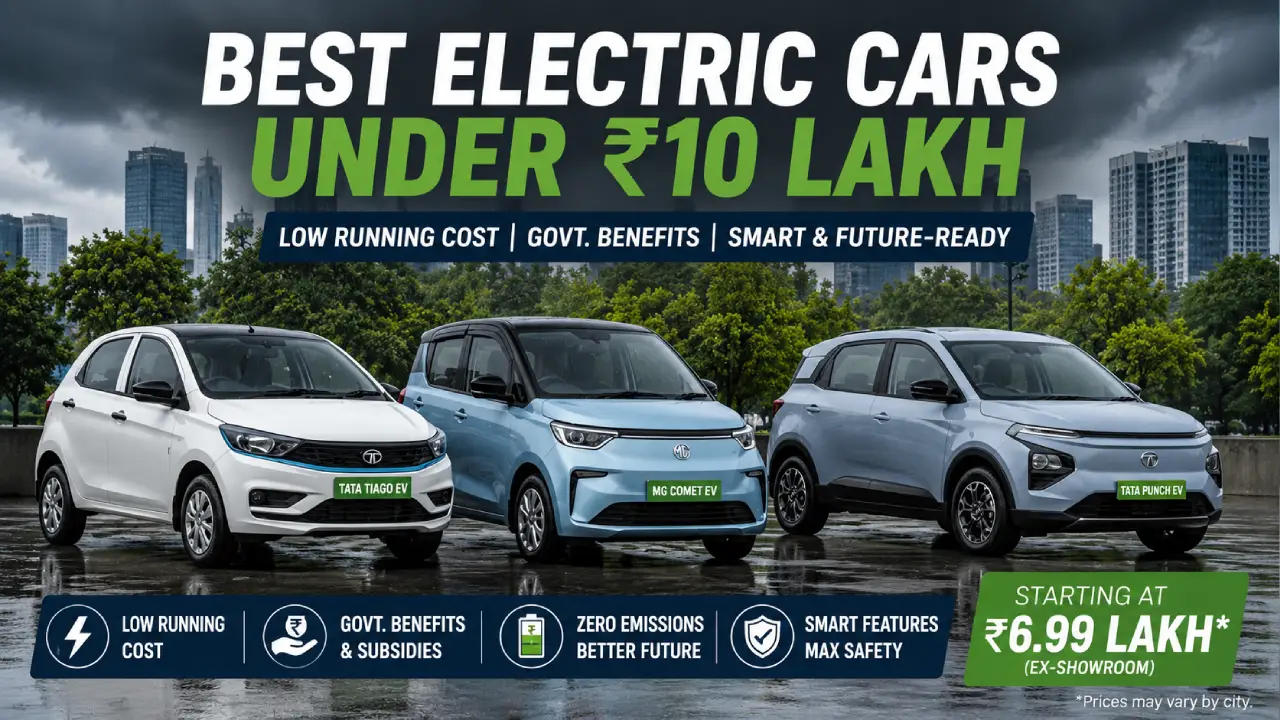
    The Tata Tiago.ev and MG Comet EV are currently among the country’s most popular budget electric cars. Stable battery production costs could help these models remain competitively priced, making electric mobility more accessible across metropolitan cities as well as smaller towns.

    Affordable Electric Cars Under ₹10 Lakh

    Model Starting Price (Ex-Showroom) Estimated Running Cost
    MG Comet EV ₹6.99 Lakh Approx. ₹0.70/km
    Tata Tiago.ev ₹7.99 Lakh Approx. ₹1.10/km
    Tata Punch.ev ₹9.99 Lakh Approx. ₹1.20/km

    Lower Battery Costs Can Improve Total Ownership Experience

    Most buyers no longer evaluate a vehicle based only on its purchase price. Instead, they consider the total cost of ownership, including fuel expenses, servicing and maintenance. Electric vehicles already offer lower running costs than petrol and CNG cars in many cities.

    With battery manufacturing becoming more economical, EV ownership could become even more attractive over the coming years. Therefore, budget-conscious buyers may find electric cars to be a more practical long-term investment.

    Monsoon Offers May Add More Value

    Industry experts believe customers should also keep an eye on seasonal dealership offers. Although this government policy may not result in an immediate price reduction, manufacturers and dealers may continue offering attractive exchange bonuses, finance schemes and festive discounts during the coming months. Before booking a vehicle, buyers should compare dealer inventory, waiting periods and available offers to maximise savings.
  • Best Electric Scooters Under ₹1 Lakh in India 2026 – Save ₹2,000+ Every Month on Fuel

    Best Electric Scooters Under ₹1 Lakh in India 2026 – Save ₹2,000+ Every Month on Fuel

    Introduction: Rising petrol prices are making daily commuting expensive across India. If you’re planning to switch to an affordable EV, these electric scooters under ₹1 lakh offer low running costs, easy finance options, and practical features for everyday city rides.

    With the latest petrol and diesel prices continuing to impact household budgets, many commuters are now looking for affordable alternatives. For people living in cities such as Delhi, Mumbai, Bengaluru, Hyderabad, Pune, and Chennai, an electric scooter has become one of the smartest long-term investments. Unlike conventional 110cc petrol scooters, electric scooters significantly reduce daily fuel expenses while offering a smooth and silent riding experience.

    Today, several leading manufacturers offer feature-packed electric scooters priced below ₹1 lakh. These models are designed for city commuters who want lower running costs without compromising on performance, comfort, or reliability. Moreover, attractive finance schemes and government incentives have made electric mobility more accessible than ever.

    Why Electric Scooters Make More Sense Than Petrol Scooters

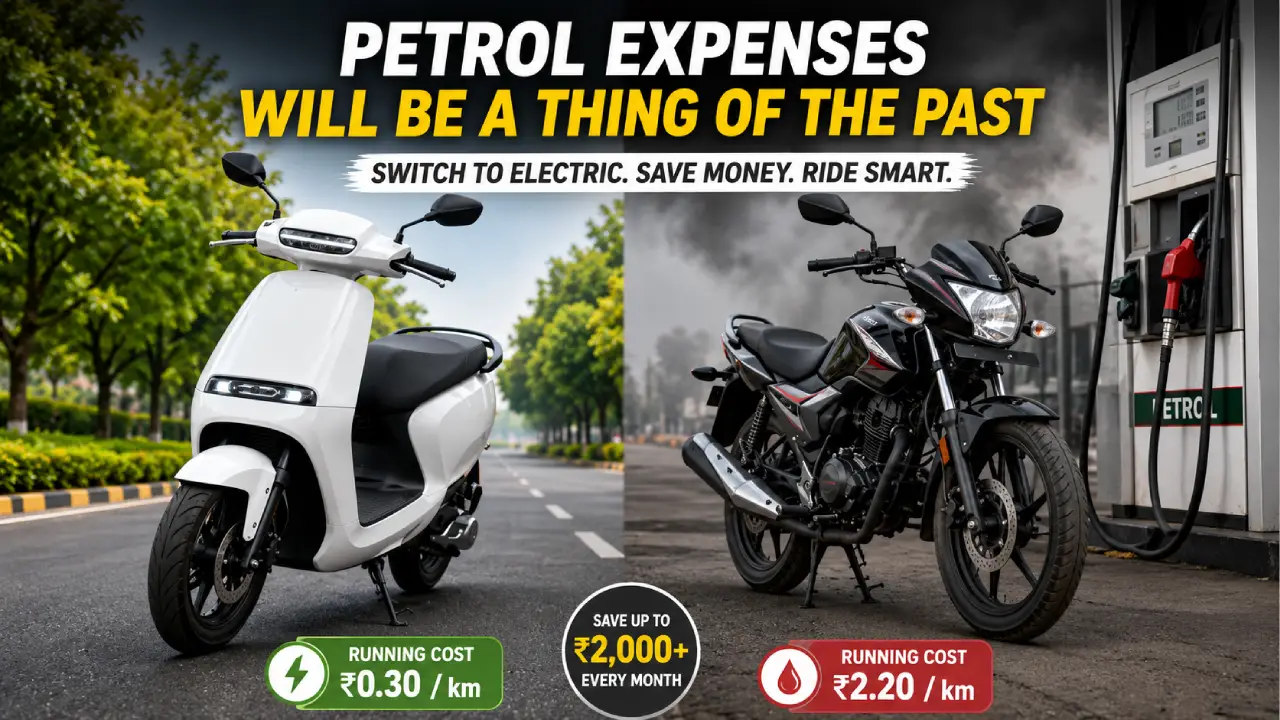
    The biggest advantage of an electric scooter is its extremely low running cost. While a typical 110cc petrol scooter costs around ₹2.10–₹2.30 per kilometre to operate depending on fuel prices, most electric scooters cost only around ₹0.30 per kilometre when charged at home.

    For someone travelling around 40–50 kilometres every day, this difference translates into substantial monthly savings. Over a year, the amount saved on fuel alone can easily reach tens of thousands of rupees.

    In addition to lower operating costs, electric scooters require less maintenance because they have fewer moving parts than petrol-powered vehicles. There is no engine oil to replace, no clutch maintenance, and fewer mechanical components that require regular servicing.

    Best Electric Scooters Under ₹1 Lakh in India

    If your budget is below ₹1 lakh, several excellent electric scooters are available in the Indian market. These models combine affordability, modern technology, and dependable performance for everyday commuting.

    Electric Scooter Approx. Price Running Cost Best For
    Ola S1 X Under ₹1 Lakh ₹0.30/km Daily City Ride
    Bajaj Chetak 2901 Under ₹1 Lakh ₹0.30/km Premium Commuting
    BGauss C12i Under ₹1 Lakh ₹0.30/km Office & Family Use
    Ampere Nexus Under ₹1 Lakh* Low Running Cost Monsoon-Friendly Ride

    Running Cost Comparison: Electric Scooter vs Petrol Bike

    One of the biggest reasons behind the rising popularity of electric scooters is the huge difference in daily operating expenses. Even if electricity prices vary slightly between states, EVs remain significantly cheaper than petrol-powered two-wheelers.

    City 110cc Petrol (₹/km) Electric Scooter (₹/km) Estimated Monthly Savings
    Delhi ₹2.10 ₹0.28 ₹2,100
    Mumbai ₹2.30 ₹0.35 ₹2,250
    Bengaluru ₹2.28 ₹0.32 ₹2,210

    Better Performance During the Monsoon

    Modern electric scooters are built to handle everyday Indian weather conditions. Many new models, including the Ampere Nexus, feature IP-rated battery packs and electrical systems that offer protection against rain and water splashes. This makes them suitable for regular commuting during the monsoon season.

    However, riders should still avoid riding through deep waterlogged roads, as excessive water exposure may damage electrical components. Always follow the manufacturer’s safety guidelines and check warranty coverage related to water ingress before making a purchase.

  • Rain Alert: Save Your Car Engine from Flood Damage with These Expert Tips

    Rain Alert: Save Your Car Engine from Flood Damage with These Expert Tips

    Mumbai’s heavy monsoon showers have once again flooded several roads, increasing the risk of serious engine damage. If you drive during heavy rain, these expert tips can help you avoid expensive repairs and keep your car safe.

    Mumbai Rain Alert: Why Flooded Roads Can Destroy Your Car Engine

    Several dashcam videos shared during Mumbai’s ongoing rainfall show cars struggling through deep water. Low-ground-clearance sedans are among the most affected, especially in waterlogged underpasses. If possible, avoid flooded roads altogether and choose an alternate route.

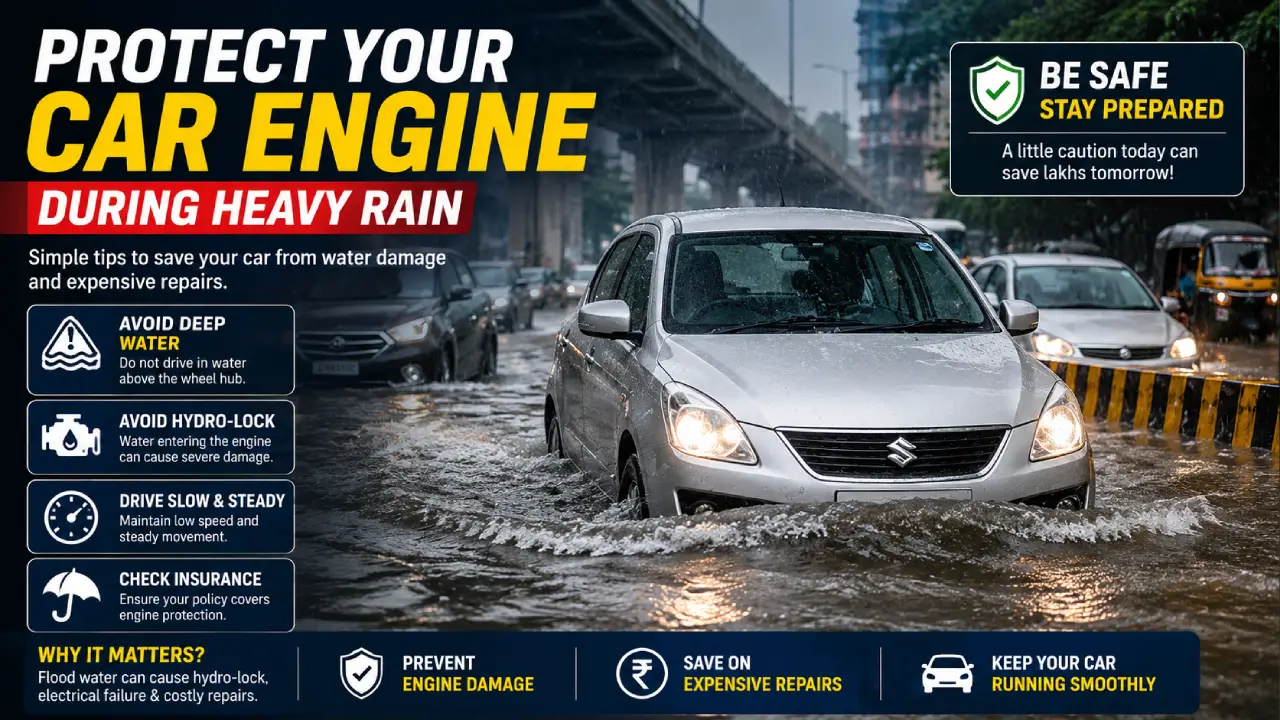
    Many drivers make the mistake of speeding through standing water. However, this creates a large bow wave that can force water into the engine’s air intake. Once water enters the combustion chamber, the engine may suffer hydrostatic lock (hydrolock), one of the most expensive mechanical failures a vehicle can experience.

    Therefore, driving slowly and assessing the water level before entering flooded sections is always the safest approach.

    How to Protect Your Car from Hydrostatic Lock During Monsoon

    Automotive experts recommend following one simple rule: if the water level reaches the center of your wheel hub, avoid driving through it. Moreover, knowing the position of your vehicle’s air intake can help you judge whether it is safe to proceed.

    If you must cross shallow water, maintain a steady speed in a low gear without sudden acceleration. This technique helps prevent water from entering the exhaust system while maintaining consistent engine pressure. On the other hand, stopping midway in deep water significantly increases the chances of engine failure.

    Vehicle Type Risk Level Recommended Action
    Sedan High Avoid driving if water reaches the wheel hub
    SUV Moderate Maintain slow and steady movement in low gear
    Electric Vehicle (EV) Electrical Risk Monitor warning lights and avoid deep water

    Monsoon Driving Tips for Petrol, Diesel, and Electric Cars

    Modern electric vehicles feature sealed battery packs, but they are not designed to operate in deep floodwater. Likewise, petrol and diesel vehicles can also suffer severe engine damage if water reaches critical components.

    If your car stalls in flooded water, never attempt to restart the engine immediately. Instead, switch off the ignition, contact your roadside assistance provider, and arrange professional towing. Restarting a flooded engine may significantly increase repair costs.

    Meanwhile, inspect your tyres, brakes, windshield wipers, and headlights before every journey during the rainy season. These simple checks improve visibility and vehicle control on slippery roads.

    Insurance Tips to Reduce Monsoon Repair Costs

    An Engine Protection Add-on is one of the most valuable insurance upgrades for drivers living in flood-prone cities like Mumbai. This optional cover may help reduce repair expenses caused by water entering the engine.

    Additionally, take photographs of your vehicle if it gets stranded in floodwater. These images can support your insurance claim and help document the cause of the damage. Above all, follow weather advisories and avoid driving through heavily flooded roads whenever possible.

    Safe driving during the monsoon is less about speed and more about patience. A few extra minutes on an alternate route can save you from repair bills worth thousands—or even lakhs—of rupees.

    Frequently Asked Questions

    Q1. What is hydrostatic lock in a car engine?

    Hydrostatic lock occurs when water enters the engine cylinders, preventing the pistons from moving normally. It can cause severe internal engine damage.

    Q2. Should I restart my car after it stalls in floodwater?

    No. Restarting the engine can make the damage worse. Contact roadside assistance and have the vehicle inspected first.

    Q3. Does comprehensive insurance cover flood-damaged engines?

    Many insurers require an Engine Protection Add-on for water-related engine damage. Always check your policy details before the monsoon season.

  • Mumbai Rain Alert! Avoid These Viral Car Hacks or You Could Face Repair Bills Worth Lakhs

    Mumbai Rain Alert! Avoid These Viral Car Hacks or You Could Face Repair Bills Worth Lakhs

    Heavy rainfall in Mumbai has sparked a wave of viral car protection hacks on social media. However, many of these DIY tricks can cause expensive damage instead of protecting your vehicle during the monsoon.

    Mumbai Rain Car Safety: Why Viral DIY Hacks Can Be Dangerous

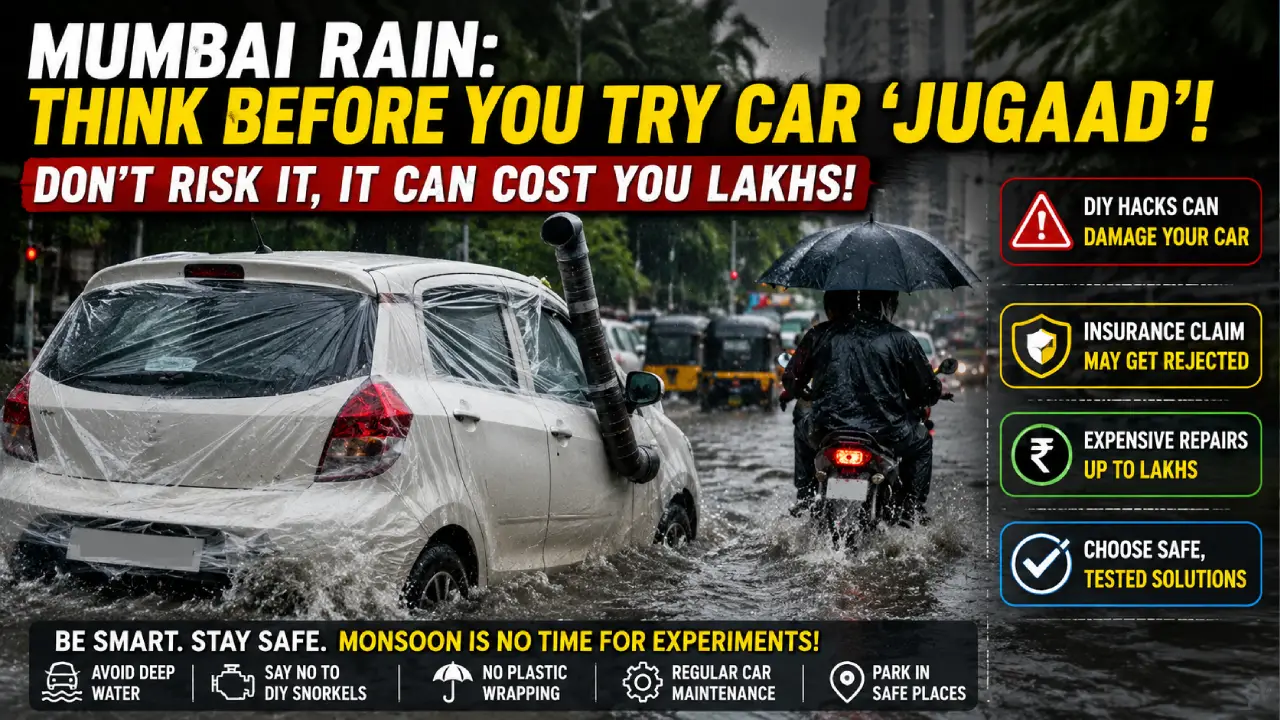
    Mumbai continues to experience heavy rainfall under a red alert, and social media is flooded with videos showing unusual ways to protect cars from floodwater. Some owners wrap their cars in plastic sheets, while others install homemade snorkels or seal doors with waterproof tape. Although these ideas may look clever online, they can create serious mechanical and safety problems.

    Moreover, experts advise car owners to avoid any unauthorized modifications. Modern vehicles are designed with proper drainage, ventilation, and weather-resistant seals. Blocking these systems may do more harm than good during prolonged rainfall.

    Common Monsoon Car Hacks That Can Damage Your Vehicle

    One of the most common tricks is sealing door gaps with waterproof tape. While it may seem helpful, adhesive tape can damage paintwork and rubber seals over time. Similarly, covering the engine bay with plastic restricts airflow and traps heat, increasing the risk of overheating.

    Meanwhile, some drivers even place tape over ORVMs (Outside Rear View Mirrors) to keep them dry. This reduces visibility and creates dangerous blind spots, especially during heavy rain. Professional inspection and manufacturer-approved weather protection remain the safest choices.

    Viral Hack Potential Risk Safer Alternative
    Plastic Wrapping Engine overheating and blocked ventilation Use a breathable waterproof car cover
    Homemade Snorkel Hydro-lock and engine damage Avoid deep water crossings
    Waterproof Tape on Doors Paint and rubber seal damage Replace worn weather strips
    Umbrella on Two-Wheelers Poor balance and accident risk Certified rain riding gear

    Hydro Lock Can Lead to Expensive Repairs

    The biggest threat during monsoon driving is hydro lock. It happens when water enters the engine’s air intake and prevents normal combustion. As a result, internal engine components can suffer severe damage, leading to repair costs that may run into lakhs of rupees.

    Therefore, if your car stalls in deep water, never attempt to restart the engine. Instead, arrange professional towing and have the vehicle inspected at an authorized service center. Parking your vehicle on elevated ground whenever possible is also a smart precaution.

    Insurance Claims May Be Rejected After Unauthorized Modifications

    Another important concern is insurance. Many insurers carefully inspect vehicles after flood-related incidents. If unauthorized modifications or unsafe DIY installations contribute to the damage, your insurance claim could be delayed or even rejected.

    Furthermore, traffic authorities may issue penalties for illegal vehicle modifications that affect road safety. Following the manufacturer’s recommendations is always the safest and most cost-effective approach.

    Best Monsoon Car Care Tips

    Before driving in heavy rain, inspect your wipers, brakes, tyres, headlights, and battery. Drive slowly through waterlogged roads and avoid routes with deep flooding whenever possible. Regular servicing and preventive maintenance offer far better protection than temporary internet hacks.

    As monsoon conditions continue across Mumbai, careful driving and proper vehicle maintenance remain the best ways to protect both your car and your wallet.

    Keywords: Mumbai rain car safety, monsoon car tips, hydro lock in car, car insurance claim, monsoon driving tips, rainy season car maintenance, car hacks to avoid, Mumbai rain alert

    Frequently Asked Questions

    Q1. Can plastic wrapping protect my car during heavy rain?
    No. Plastic wrapping can trap engine heat, block ventilation, and may even damage your vehicle’s paint and seals.

    Q2. What should I do if my car stops in floodwater?
    Do not restart the engine. Call a towing service immediately and get the vehicle inspected to prevent hydro-lock damage.

    Q3. Can DIY modifications affect my insurance claim?
    Yes. Unauthorized modifications may lead to claim disputes or rejection if they contribute to vehicle damage.

  • Bring Home an Electric Car Under ₹10 Lakh! July EV Offers, Low EMI & Huge Savings Explained

    Bring Home an Electric Car Under ₹10 Lakh! July EV Offers, Low EMI & Huge Savings Explained

    Buying an electric car under ₹10 lakh has become more attractive than ever. With fresh July offers, attractive finance options, and lower running costs, budget EVs are now a practical choice for everyday city driving.

    Best Electric Cars Under ₹10 Lakh in India

    The Indian EV market has become more competitive after the latest July price revisions. Entry-level electric cars now offer better value, especially for buyers looking to reduce their monthly fuel expenses. Moreover, government incentives available in selected states continue to make electric vehicles more affordable.

    The MG Comet EV remains one of India’s most affordable electric cars, making it an excellent option for daily urban commuting. Meanwhile, the Tata Tiago EV appeals to buyers who need extra cabin space, better highway performance, and additional practicality.

    July EV Offers and Dealer Availability

    According to dealership reports, deliveries for entry-level variants have improved in many major cities. Buyers can also choose from fresh July allocations along with multiple color options. Furthermore, several dealerships are offering attractive finance plans with low down payments and flexible EMI options.

    If your state provides EV incentives or registration fee exemptions, your final on-road price could be even lower. Therefore, checking local dealer offers before booking can help you save a significant amount.

    Running Cost Comparison: EV vs CNG vs Petrol

    One of the biggest advantages of an electric car is its low running cost. Home charging remains the most economical option for daily users. Although public charging is convenient, charging at home usually delivers the lowest cost per kilometre.

    Fuel Type Estimated Running Cost (Per Km)
    Electric Vehicle (EV) ₹1.10 – ₹1.40
    CNG ₹3.20 – ₹4.00
    Petrol Hatchback ₹7.00 – ₹8.50

    Monsoon Range and Ownership Experience

    Like all electric vehicles, real-world driving range can reduce during the rainy season. Continuous use of air conditioning, headlights, and wipers may lower range by around 10–15%. However, this is completely normal and varies depending on traffic conditions and driving style.

    For most daily city users, the available driving range remains sufficient. Before purchasing, always check battery warranty, charging equipment, and dealership service support. A proper home charging setup can further reduce your overall ownership cost.

    Should You Buy an Electric Car Under ₹10 Lakh?

    If your monthly driving distance is high, a budget electric car can help reduce fuel expenses considerably over the long term. The MG Comet EV is perfect for compact city driving, while the Tata Tiago EV offers better versatility for families and longer trips.

    Before making your decision, compare the latest ex-showroom prices, finance offers, warranty coverage, and available state EV benefits. Choosing the right model based on your driving needs will help maximize savings over the coming years.

    Frequently Asked Questions

    Q1. Which is the cheapest electric car under ₹10 lakh?

    The MG Comet EV remains one of the most affordable electric cars currently available in India.

    Q2. Does monsoon weather affect EV range?

    Yes. Heavy rain, traffic congestion, air conditioning, and wiper usage can reduce real-world range by around 10–15%.

    Q3. Is buying an electric car better than a petrol car?

    For buyers with regular daily driving, electric cars generally offer much lower running costs and better long-term savings than petrol vehicles.

  • Government Cracks Down on E-Rickshaw Remote Shutdown Apps – Important Safety Update for EV Drivers

    Government Cracks Down on E-Rickshaw Remote Shutdown Apps – Important Safety Update for EV Drivers

    Battery-powered vehicles are becoming more common across India, making digital security just as important as road safety. Here’s what e-rickshaw owners should know about protecting their vehicles from unauthorized battery access.

    Government Strengthens Security for E-Rickshaw Battery Systems

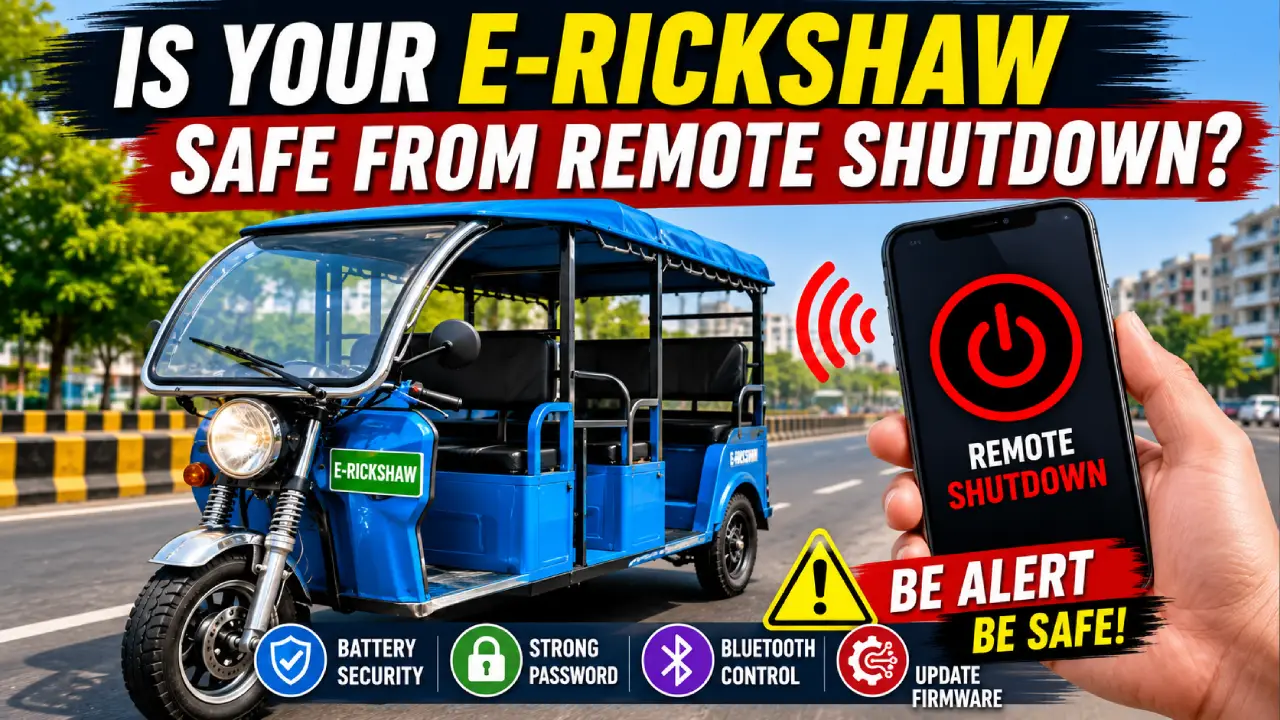
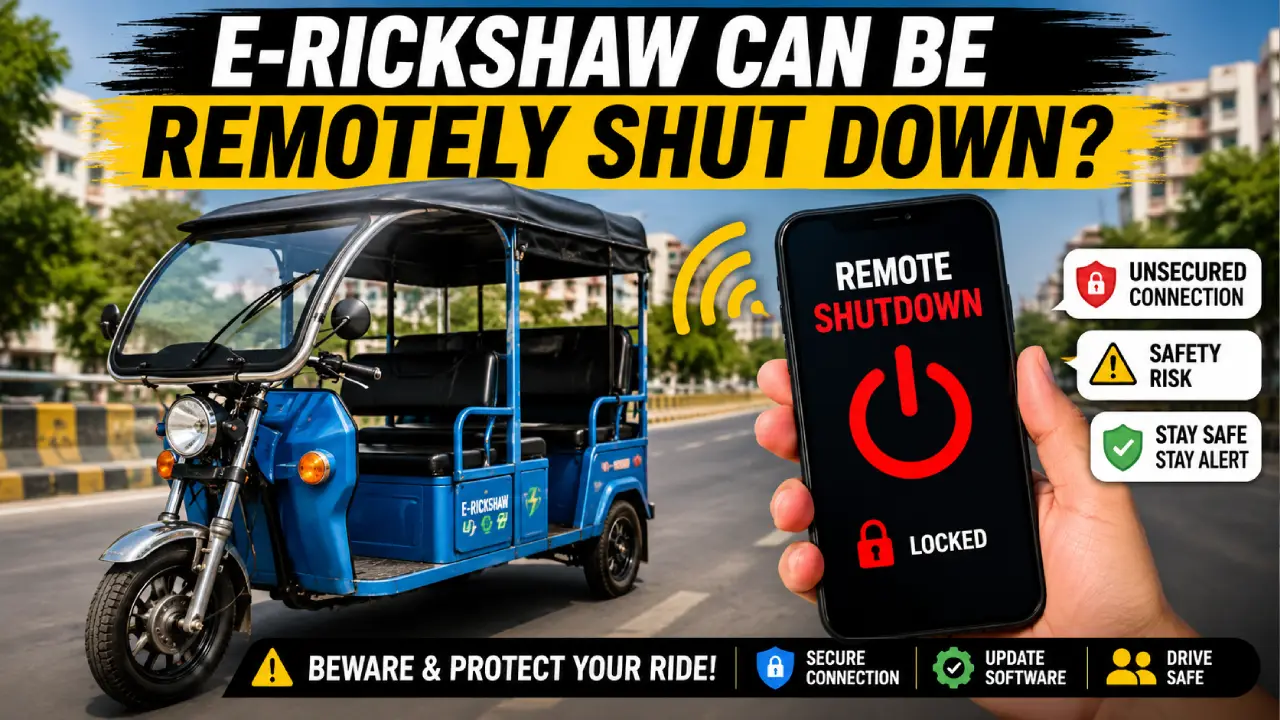
    Authorities have recently taken steps to improve the cybersecurity of electric vehicles after concerns were raised about certain mobile applications used with Bluetooth-enabled Battery Management Systems (BMS). The move aims to reduce potential security risks and encourage manufacturers to adopt stronger protection measures.

    As electric mobility continues to grow, battery software security has become an important part of vehicle ownership. Therefore, drivers should regularly check their battery settings and ensure that only authorized devices are connected.

    E-Rickshaw
    E-Rickshaw

    Why Battery Management System Security Matters

    Many modern lithium-ion battery packs use a Battery Management System (BMS) to monitor charging, temperature, and battery health. Some systems also support Bluetooth connectivity for monitoring through a mobile application.

    However, if a BMS uses weak security settings or default passwords, unauthorized access could become possible. Experts recommend changing factory passwords, disabling unnecessary Bluetooth visibility, and keeping firmware updated whenever new security updates are released.

    How Drivers Can Improve E-Rickshaw Security

    Owners should immediately review the Bluetooth settings of their battery system. If remote monitoring is not required, disabling Bluetooth can reduce unnecessary exposure.

    Moreover, always install firmware updates provided by the battery manufacturer. Updated software often includes important security improvements and bug fixes.

    Battery Type Digital Connectivity Recommended Protection
    Lithium-Ion Battery Bluetooth/App Support Strong Password + Firmware Updates
    Lead-Acid Battery Mechanical System Regular Physical Inspection

    Best Practices for E-Rickshaw Owners

    Before starting your daily route, verify that your battery system is functioning normally and connected only to your authorized mobile device. Avoid downloading unofficial battery management applications or software from unknown sources.

    Meanwhile, contact your battery manufacturer or authorized dealer if your battery management app requests unexpected permissions or behaves unusually. Genuine service centers can confirm whether your system requires a software update.

    Final Thoughts

    Electric vehicles rely on both hardware and software for safe operation. Maintaining strong digital security is now as important as regular vehicle maintenance. By updating your battery software, using secure passwords, and limiting unnecessary wireless access, you can significantly improve the safety of your e-rickshaw.

    Staying informed about manufacturer updates and following recommended security practices will help ensure a safer and more reliable ownership experience.

    Frequently Asked Questions

    Q1. What is a Battery Management System (BMS)?

    A Battery Management System monitors battery performance, charging, temperature, and overall battery health in electric vehicles.

    Q2. Should I change the default password of my battery system?

    Yes. Changing the factory password and enabling available security features helps protect your battery system from unauthorized access.

    Q3. How can I keep my e-rickshaw battery secure?

    Install official firmware updates, use strong passwords, disable Bluetooth when not needed, and rely only on authorized battery service centers for maintenance.

  • Best 7-Seater Cars Under ₹15 Lakh for Family Carpooling-Essential Monsoon Safety Features You Must Check

    Best 7-Seater Cars Under ₹15 Lakh for Family Carpooling-Essential Monsoon Safety Features You Must Check

    Heavy monsoon showers have made family travel more challenging across many cities. If you’re using a 7-seater car for school runs or carpooling, checking essential safety features before every trip is more important than ever.

    Best 7-Seater Cars Under ₹15 Lakh for Safe Family Carpooling

    Continuous rainfall has increased the risk of slippery roads and poor visibility, making vehicle safety a top priority for families. Whether you’re driving children to school, tuition classes, or other daily activities, a properly equipped 7-seater can make every journey safer and more comfortable.

    Modern multi-purpose vehicles (MPVs) priced under ₹15 lakh now offer several advanced safety technologies that were once available only in premium cars. Therefore, buyers should focus on safety equipment instead of just seating capacity.

    Essential Safety Features Every Family Car Should Have

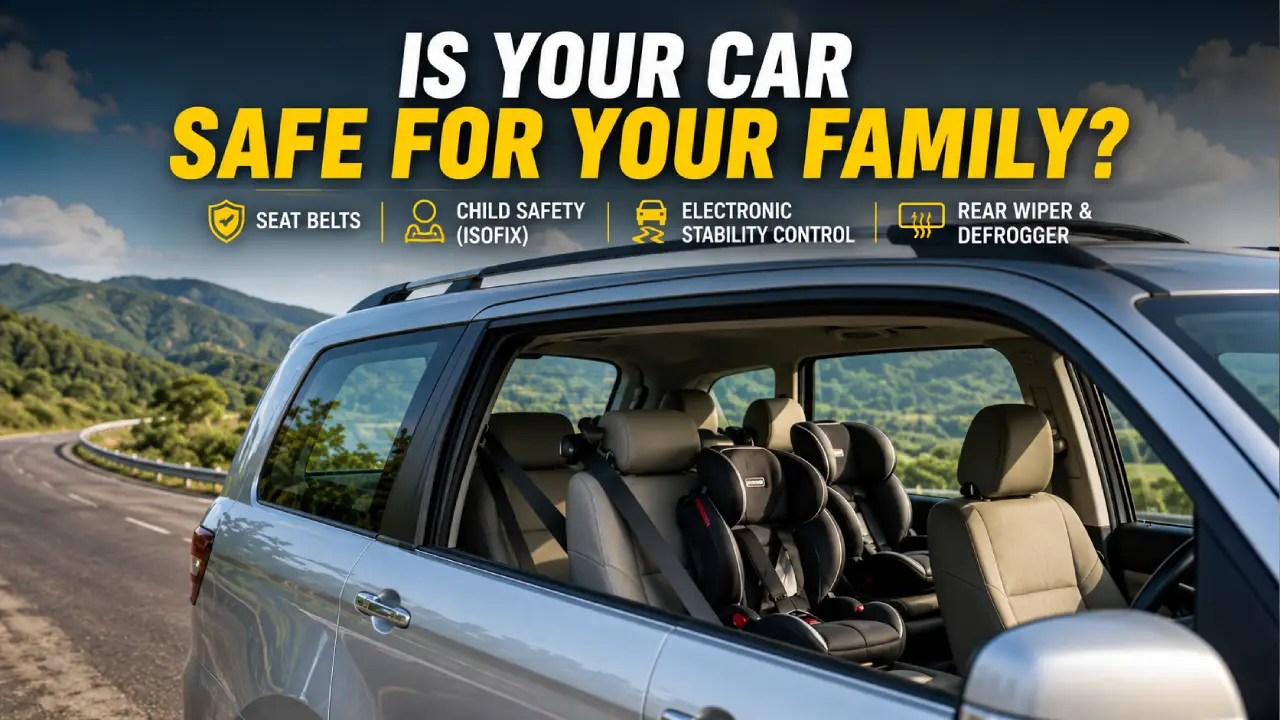
    Before heading out, ensure that every passenger is wearing a 3-point seatbelt. Many older MPVs still provide lap belts for middle-row passengers, which offer less protection during sudden braking.

    Moreover, check whether your vehicle is equipped with Electronic Stability Control (ESC). This feature helps maintain better control on wet roads by reducing the chances of skidding during emergency maneuvers.

    Rear parking sensors, ABS with EBD, multiple airbags, and traction control also improve overall driving safety, especially during the rainy season.

    Why ISOFIX Child Seat Mounts Matter

    If young children are travelling in your vehicle, always install a child seat using ISOFIX anchor points. This system secures the child seat more effectively than relying only on the seatbelt.

    Furthermore, check that the rear wiper, washer, and rear defogger are working properly. These features significantly improve rear visibility during heavy rain, helping drivers react more quickly to surrounding traffic.

    Safety Feature Recommended Requirement
    Seat Belts 3-Point Seat Belts for Every Passenger
    Child Seat ISOFIX Anchor Points
    Passenger Capacity Do Not Exceed RC-Approved Seating Capacity
    Electronic Stability Control Highly Recommended
    Rear Visibility Rear Wiper & Rear Defogger

    Avoid Overloading Your Family Vehicle

    Never carry more passengers than your vehicle’s registration certificate allows. Overloading not only violates traffic regulations but also increases braking distance and affects vehicle stability, especially on wet roads.

    Additionally, every occupant should have access to a functioning seatbelt. Safe seating arrangements reduce injury risks and improve passenger protection during emergency situations.

    Monsoon Driving Tips for Family Cars

    Before every journey, inspect your tyres for adequate tread depth and correct air pressure. Avoid driving through flooded roads where the water level rises above the wheel hub, as it may damage the engine and electrical systems.

    Finally, test your headlights, fog lamps, windshield wipers, and all safety sensors before leaving home. Small checks can make a significant difference during heavy rain.

    Choosing a family-friendly vehicle with modern safety features provides greater confidence and peace of mind throughout the monsoon season.

    Keywords: Best 7-seater cars under 15 lakh, Family carpooling safety, Monsoon car safety tips, ISOFIX child seat, ESC in family cars, Best MPV for family, Safe family cars India, Child seat safety

    Frequently Asked Questions

    Q1. Which safety feature is most important in a family 7-seater?

    Electronic Stability Control (ESC), multiple airbags, ABS, and 3-point seatbelts for every passenger are among the most important safety features.

    Q2. What is ISOFIX in a car?

    ISOFIX is an internationally standardized child seat mounting system that securely attaches child seats without relying only on seatbelts.

    Q3. Is it legal to carry extra passengers in a 7-seater?

    No. You should never exceed the seating capacity mentioned in your vehicle’s Registration Certificate (RC), as it compromises safety and may attract legal penalties.

  • Petrol Cost Too High? CNG, Hybrid or EV-Which Car Saves You More Money in 2025?

    Petrol Cost Too High? CNG, Hybrid or EV-Which Car Saves You More Money in 2025?

    Rising petrol prices are making car ownership more expensive for Indian families. As CNG, hybrid, and electric vehicles continue gaining popularity, buyers are now asking one important question—which fuel option offers the best long-term value?

    Petrol vs CNG vs Hybrid vs EV: Which Car Should You Buy?

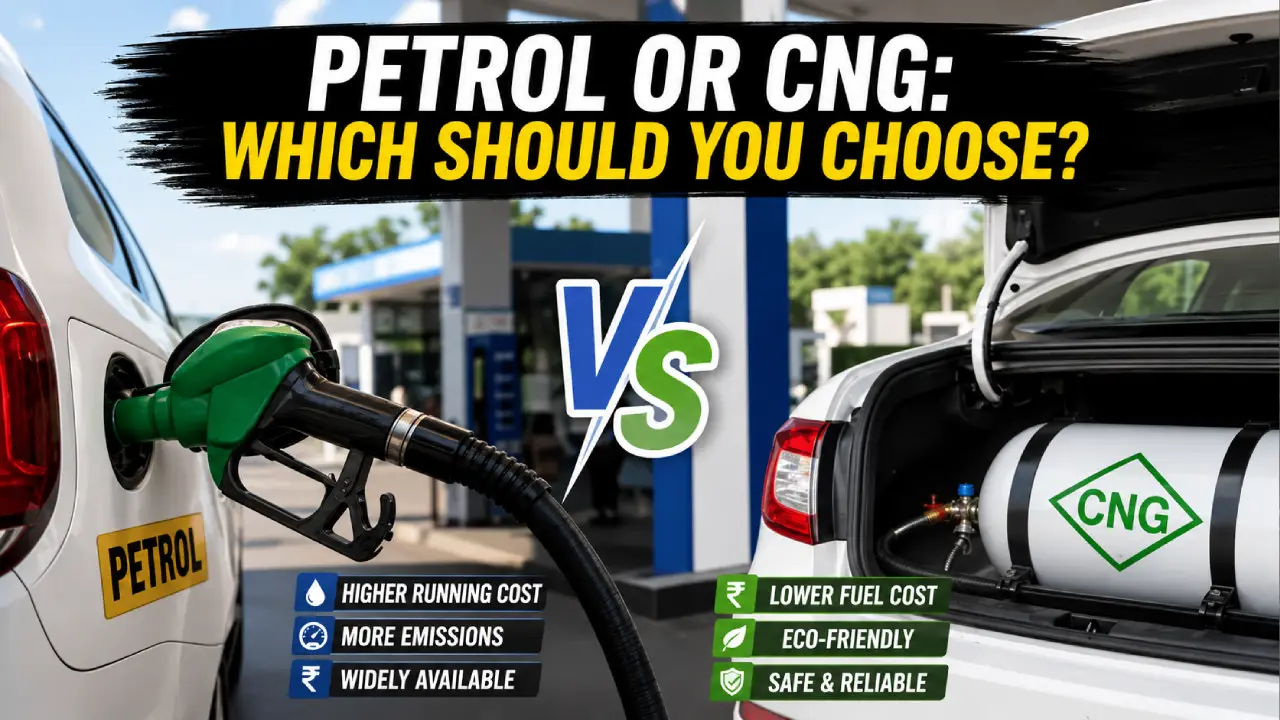
    The Indian automobile market is changing rapidly. Recent retail sales trends show that CNG, hybrid, and electric vehicles now account for a significant share of new car purchases. Rising fuel prices and lower running costs have encouraged many buyers to consider alternatives to traditional petrol-powered cars.

    However, choosing the right fuel type depends on your driving habits, budget, and ownership plans. Therefore, it is important to compare both the initial purchase price and long-term running costs before making a decision.

    Why CNG, Hybrid, and EV Cars Are Becoming More Popular

    Growing demand has increased waiting periods for several popular CNG and hybrid models across major cities. Many dealerships in Delhi, Mumbai, and other metropolitan areas report delivery timelines ranging from 8 to 12 weeks for high-demand variants.

    Moreover, discounts on these models have become limited because of strong customer demand. If you’re planning to buy a CNG or hybrid car, booking early may help secure the current price before any future increase.

    Petrol Cars Still Offer Great Deals

    While buyers continue shifting toward alternative fuel vehicles, petrol cars remain attractive because manufacturers are offering higher discounts to clear inventory. Several budget-friendly models priced below ₹12 lakh are available with immediate delivery in many cities.

    On the other hand, CNG and electric cars usually have a higher upfront price. Although they can reduce fuel expenses over time, buyers should calculate their monthly driving distance before paying the premium for these technologies.

    Fuel Type Typical Tyre Life Current Discount Trend
    Petrol Up to 50,000 km Higher Discounts
    CNG / Hybrid / EV Around 38,000 km Limited Discounts

    Safety Matters More During the Monsoon

    Driving during the rainy season requires additional caution, regardless of the fuel type. Features such as Electronic Stability Control (ESC), rear wipers, ABS, and quality tyres significantly improve safety on wet roads.

    Furthermore, CNG and electric vehicles often weigh more than comparable petrol models because of their fuel tanks or battery packs. As a result, their handling characteristics may feel slightly different, making tyre quality and regular maintenance even more important.

    Final Verdict: Which Fuel Option Offers Better Value?

    If your daily driving is limited and you want a lower purchase price with quick delivery, a petrol car still offers excellent value, especially with current discounts. However, if you drive long distances every month, a CNG vehicle can substantially reduce your fuel expenses.

    Meanwhile, hybrid cars provide an ideal balance between efficiency and convenience without relying entirely on charging infrastructure. Electric vehicles offer the lowest running costs, but buyers should evaluate charging availability, purchase price, and long-term ownership plans before making the switch.

    Ultimately, the best choice depends on your budget, annual mileage, and future savings goals rather than fuel prices alone.

    Frequently Asked Questions

    Q1. Is buying a CNG car worth it in 2025?

    Yes. CNG cars are ideal for drivers with high monthly mileage because they offer significantly lower fuel costs than petrol vehicles.

    Q2. Should I buy a petrol or hybrid car?

    If your budget is limited, a petrol car remains a practical option. However, hybrid cars provide better fuel efficiency for long-term ownership.

    Q3. Are electric vehicles cheaper to run than petrol cars?

    Yes. EVs generally have the lowest running cost, but buyers should also consider charging infrastructure, battery warranty, and the higher initial purchase price.

  • Mumbai-Pune Monsoon: Suzuki Access 125 vs TVS Ntorq 125-Which Scooter Performs Better on Rainy Roads?

    Mumbai-Pune Monsoon: Suzuki Access 125 vs TVS Ntorq 125-Which Scooter Performs Better on Rainy Roads?

    Heavy rainfall across Mumbai and Pune has made daily commuting more challenging than ever. If you’re planning to buy a reliable scooter for monsoon rides, the Suzuki Access 125 and TVS Ntorq 125 are two of the strongest contenders. Here’s a detailed comparison to help you choose the right one.

    Suzuki Access 125 vs TVS Ntorq 125: Which Scooter is Better for Monsoon Riding?

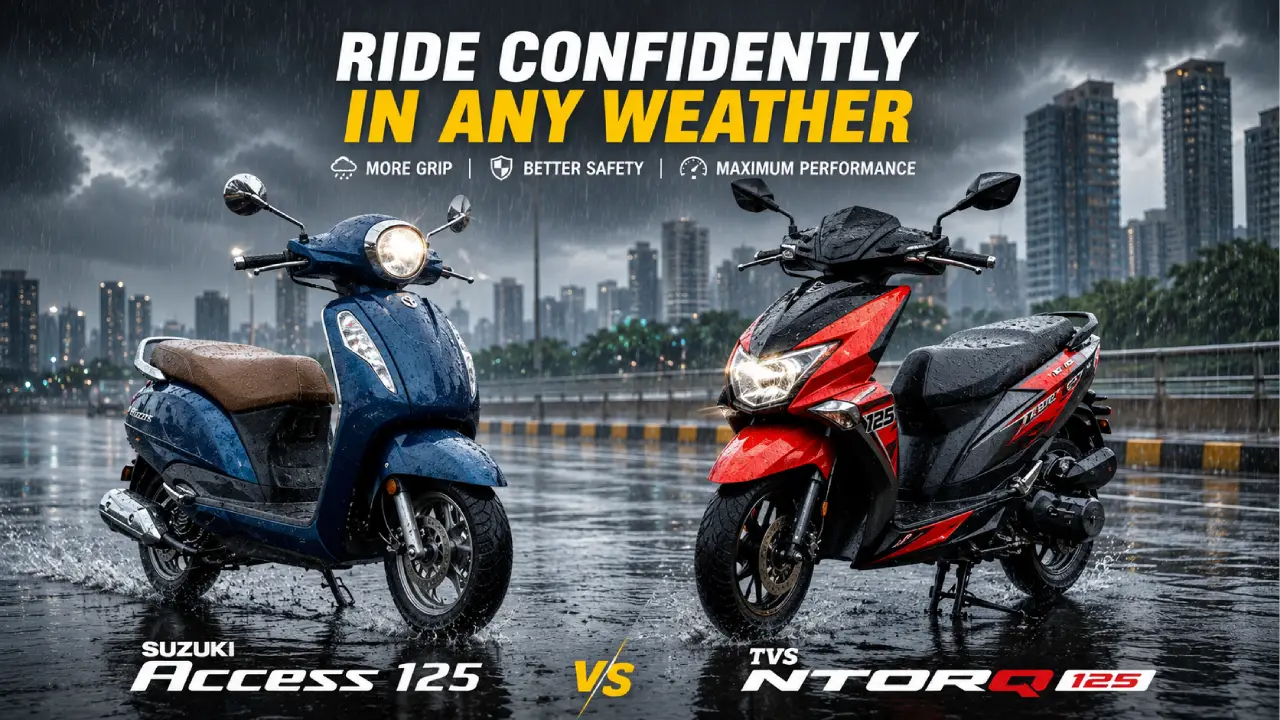
    Continuous rain and waterlogged roads demand a scooter that offers excellent grip, reliable braking, and comfortable everyday performance. Both the Suzuki Access 125 and TVS Ntorq 125 perform well during the rainy season, but they cater to different riding styles.

    The Suzuki Access 125 focuses on comfort, smooth power delivery, and fuel efficiency. Meanwhile, the TVS Ntorq 125 delivers a sportier riding experience with sharper handling and quicker acceleration. Therefore, your choice depends on whether you prioritize comfort or performance.

    Braking and Safety Features in Wet Conditions

    Safe braking becomes even more important on slippery roads. The Suzuki Access 125 comes equipped with a Combined Braking System (CBS), which provides stable and controlled braking during sudden stops.

    On the other hand, the TVS Ntorq 125 features Synchronized Braking Technology (SBT), helping riders maintain better control on wet surfaces. Moreover, both scooters include floorboard drainage channels that prevent water from accumulating around the rider’s feet during heavy rain.

    Headlamp Performance and Rainy Season Visibility

    Visibility is one of the biggest challenges while riding during heavy rainfall. The Suzuki Access 125 offers a bright headlamp with a long beam that improves nighttime visibility.

    Meanwhile, the TVS Ntorq 125 Race Edition comes with sharp LED lighting that provides excellent illumination during low-light conditions. However, experts recommend avoiding deep water crossings, as engine damage caused by hydrolock can occur if water rises above the wheel axle.

    Mileage, Running Cost and On-Road Prices

    If fuel economy is your priority, the Suzuki Access 125 has an advantage. Even during monsoon conditions, it delivers around 45 km/l, keeping the running cost close to ₹2.5 per kilometre. The TVS Ntorq 125 offers slightly lower mileage but compensates with a more engaging ride and quicker throttle response.

    Feature Suzuki Access 125 TVS Ntorq 125
    Engine 124cc Single-Cylinder 124.8cc Single-Cylinder
    Braking System Combined Braking System (CBS) Synchronized Braking Technology (SBT)
    Mileage Up to 45 km/l Around 40-45 km/l
    Mumbai On-road Price ₹1,08,500 ₹1,12,300
    Pune On-road Price ₹1,06,200 ₹1,10,100

    Which Scooter Should You Buy?

    If you want maximum comfort, better fuel efficiency, and affordable daily commuting, the Suzuki Access 125 is the better choice. However, if you enjoy sporty performance, quicker acceleration, and agile handling in city traffic, the TVS Ntorq 125 stands out.

    Regardless of your choice, always ride carefully during heavy rainfall. Check your tyre condition, avoid flooded roads, and ensure your insurance policy includes an engine protection cover for added peace of mind.

    Frequently Asked Questions

    Q1. Which scooter is better for rainy roads, Suzuki Access 125 or TVS Ntorq 125?

    The Suzuki Access 125 is ideal for riders looking for comfort and fuel efficiency, while the TVS Ntorq 125 offers better sporty handling and performance.

    Q2. What mileage does the Suzuki Access 125 deliver during the monsoon?

    The scooter can deliver around 45 km/l under normal riding conditions, depending on traffic and maintenance.

    Q3. Is the TVS Ntorq 125 suitable for daily city commuting?

    Yes. Its responsive engine, agile handling, and advanced braking system make it an excellent option for daily urban rides.

  • Honda Activa vs TVS Jupiter: Which Scooter Saves More Fuel After Petrol Price Update?

    Honda Activa vs TVS Jupiter: Which Scooter Saves More Fuel After Petrol Price Update?

    Rising petrol prices are making fuel efficiency more important than ever. If you’re planning to buy a reliable scooter, here’s a detailed comparison of the Honda Activa and TVS Jupiter based on mileage, running cost, features, and overall value.

    Honda Activa vs TVS Jupiter Mileage and Fuel Efficiency

    With the latest petrol prices announced across India, daily commuters are paying closer attention to running costs. Both the Honda Activa and TVS Jupiter remain among the country’s best-selling scooters, thanks to their dependable performance and affordable maintenance.

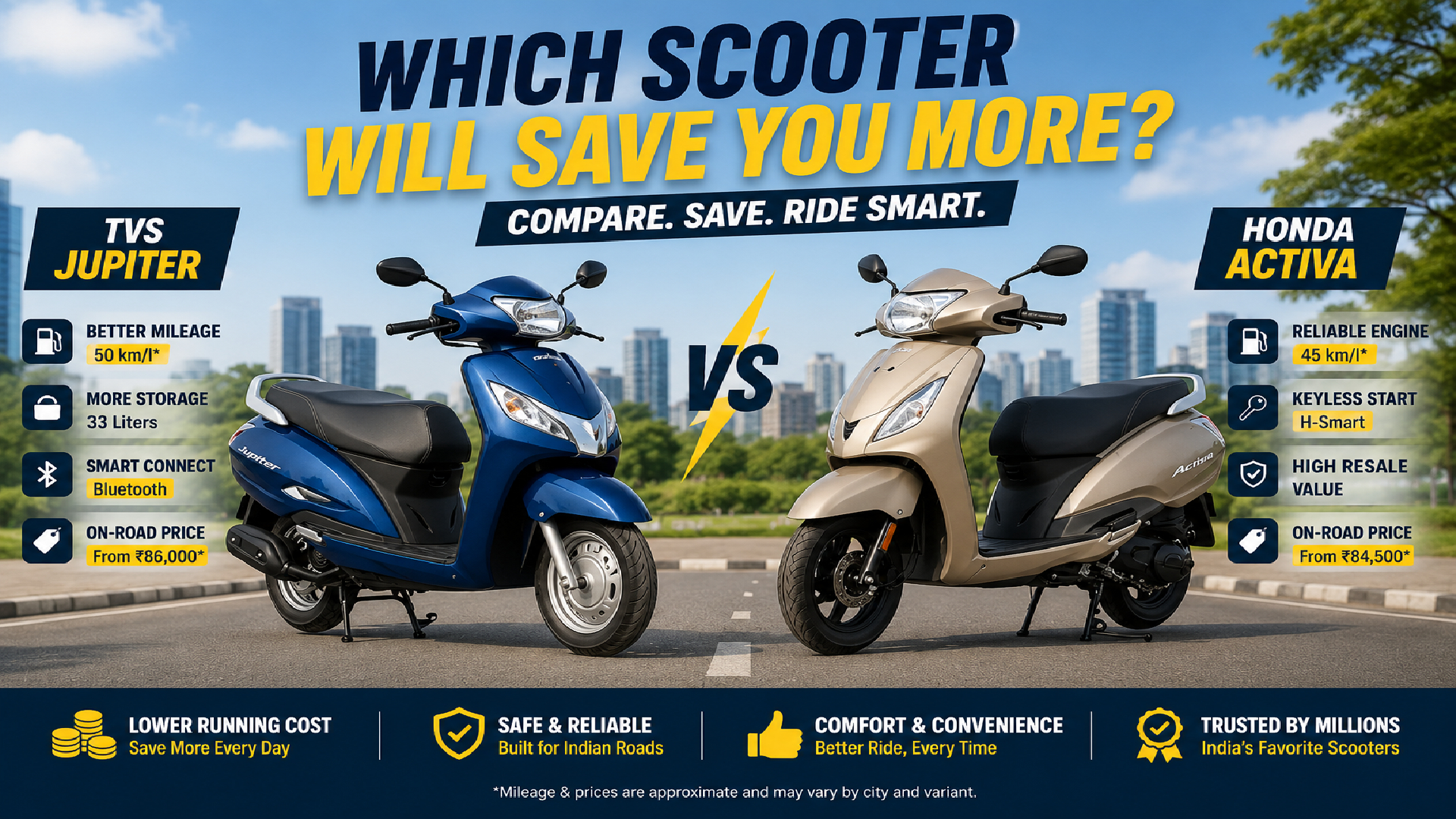
    However, fuel prices vary across cities. Petrol continues to cost more in Mumbai and Kolkata than in Delhi, making mileage an even bigger factor for buyers. Moreover, the TVS Jupiter currently delivers slightly better real-world fuel efficiency, especially in city traffic, helping riders save more on everyday commuting.

    On the other hand, the Honda Activa continues to attract buyers with its proven engine reliability, smooth ride quality, and excellent resale value.

    Honda Activa vs TVS Jupiter Running Cost Comparison

    The 125cc scooter segment has become increasingly competitive, with both manufacturers offering practical features for family riders. While Honda focuses on durability and refinement, TVS offers more under-seat storage and several convenience features.

    City Petrol Price Honda Activa Running Cost TVS Jupiter Running Cost
    Delhi ₹94.72/L ₹1.97/km ₹1.86/km
    Mumbai ₹103.44/L ₹2.15/km ₹2.03/km
    Bengaluru ₹102.84/L ₹2.14/km ₹2.01/km
    Kolkata ₹103.94/L ₹2.16/km ₹2.04/km

    The figures indicate that the TVS Jupiter offers a slight advantage in fuel economy, making it a practical choice for riders who travel long distances every day.

    Features That Matter for Everyday Riding

    Modern scooter buyers expect more than just good mileage. Safety, comfort, and convenience have become equally important.

    The Honda Activa H-Smart comes equipped with Smart Key technology that enables keyless start and enhanced convenience. Meanwhile, the TVS Jupiter 125 offers Bluetooth connectivity, a spacious under-seat storage compartment, and a practical front fuel-filling system.

    Moreover, both scooters include Combined Braking System (CBS), ensuring better braking confidence on slippery roads during the monsoon season. Jupiter’s floorboard drainage design also helps keep water away in rainy conditions.

    Price, EMI and Availability

    Several dealerships are offering attractive festive and mid-year promotions on selected variants. Buyers can also benefit from finance plans starting with a down payment of around ₹5,000, depending on the dealership and lender.

    While standard colour variants are readily available in most cities, premium variants may have a waiting period of one to two weeks in locations such as Bengaluru. Therefore, it’s a good idea to confirm stock availability before booking.

    Which Scooter Should You Buy?

    If your priority is maximum fuel savings, larger storage, and extra convenience features, the TVS Jupiter offers excellent value for everyday commuting.

    However, if you prefer proven reliability, strong resale value, and Honda’s trusted engine refinement, the Honda Activa remains one of the safest choices in the scooter segment.

    Before making your final decision, compare the latest on-road prices, EMI offers, fuel efficiency, and service network in your city to choose the scooter that best fits your daily needs.

    Frequently Asked Questions (FAQs)

    Q1. Which scooter gives better mileage, Honda Activa or TVS Jupiter?
    The TVS Jupiter generally delivers slightly better real-world mileage, especially in city traffic, helping reduce daily fuel expenses.

    Q2. Is Honda Activa more reliable than TVS Jupiter?
    Honda Activa has a long-standing reputation for engine reliability and strong resale value, making it a trusted choice for many buyers.

    Q3. Which scooter is better for family use?
    Both scooters are excellent family options. The TVS Jupiter offers larger storage and convenience features, while the Honda Activa focuses on refinement and dependable performance.